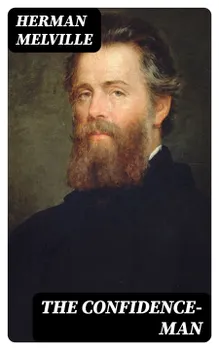
The Confidence-Man : Enriched edition.

In "The Confidence-Man," Herman Melville explores the themes of identity, trust, and deception within the framework of a philosophical narrative set on a Mississippi River steamboat. Written in 1857, this novel employs a satirical tone and fragmented style, incorporating dialogues and encounters that reflect the socio-economic uncertainties of pre-Civil War America. The characters, predominantly disguised swindlers, embody various facets of human nature, challenging readers to discern authenticity in a world rife with impostures. Melville's exploration of confidence as currency parallels the emergent capitalist ethos, probing the moral landscape of an era teetering on the brink of transformation. Herman Melville, renowned for his later masterpiece "Moby-Dick," delves into psychological intricacies through this earlier work, influenced by his experiences at sea and encounters with diverse cultures and customs. The philosophical underpinnings of his narratives often compelled him to question societal norms, making "The Confidence-Man" a critical lens on American individualism and morality. Melville's own struggles with public perception and artistic integrity resonate through the duplicitous interactions of his characters. Readers seeking a profound examination of human nature amidst social critique will find "The Confidence-Man" both engaging and thought-provoking. The blend of humor and social commentary invites reflection on the nature of trust and self-deception in relationships. This novel not only enriches the understanding of Melville's oeuvre but also stands as a crucial text in American literature that echoes the perennial conflicts between idealism and reality.

In this enriched edition, we have carefully created added value for your reading experience:

- A succinct Introduction situates the work's timeless appeal and themes.

- The Synopsis outlines the central plot, highlighting key developments without spoiling critical twists.

- A detailed Historical Context immerses you in the era's events and influences that shaped the writing.

- An Author Biography reveals milestones in the author's life, illuminating the personal insights behind the text.

- A thorough Analysis dissects symbols, motifs, and character arcs to unearth underlying meanings.

- Reflection questions prompt you to engage personally with the work's messages, connecting them to modern life.

- Hand‐picked Memorable Quotes shine a spotlight on moments of literary brilliance.

- Interactive footnotes clarify unusual references, historical allusions, and archaic phrases for an effortless, more informed read.

Over dit boek

In "The Confidence-Man," Herman Melville explores the themes of identity, trust, and deception within the framework of a philosophical narrative set on a Mississippi River steamboat. Written in 1857, this novel employs a satirical tone and fragmented style, incorporating dialogues and encounters that reflect the socio-economic uncertainties of pre-Civil War America. The characters, predominantly disguised swindlers, embody various facets of human nature, challenging readers to discern authenticity in a world rife with impostures. Melville's exploration of confidence as currency parallels the emergent capitalist ethos, probing the moral landscape of an era teetering on the brink of transformation. Herman Melville, renowned for his later masterpiece "Moby-Dick," delves into psychological intricacies through this earlier work, influenced by his experiences at sea and encounters with diverse cultures and customs. The philosophical underpinnings of his narratives often compelled him to question societal norms, making "The Confidence-Man" a critical lens on American individualism and morality. Melville's own struggles with public perception and artistic integrity resonate through the duplicitous interactions of his characters. Readers seeking a profound examination of human nature amidst social critique will find "The Confidence-Man" both engaging and thought-provoking. The blend of humor and social commentary invites reflection on the nature of trust and self-deception in relationships. This novel not only enriches the understanding of Melville's oeuvre but also stands as a crucial text in American literature that echoes the perennial conflicts between idealism and reality.

In this enriched edition, we have carefully created added value for your reading experience:

- A succinct Introduction situates the work's timeless appeal and themes.

- The Synopsis outlines the central plot, highlighting key developments without spoiling critical twists.

- A detailed Historical Context immerses you in the era's events and influences that shaped the writing.

- An Author Biography reveals milestones in the author's life, illuminating the personal insights behind the text.

- A thorough Analysis dissects symbols, motifs, and character arcs to unearth underlying meanings.

- Reflection questions prompt you to engage personally with the work's messages, connecting them to modern life.

- Hand‐picked Memorable Quotes shine a spotlight on moments of literary brilliance.

- Interactive footnotes clarify unusual references, historical allusions, and archaic phrases for an effortless, more informed read.

Begin vandaag nog met dit boek voor € 0

  • Krijg volledige toegang tot alle boeken in de app tijdens de proefperiode
  • Geen verplichtingen, op elk moment annuleren
Probeer nu gratis
Meer dan 52.000 mensen hebben Nextory 5 sterren gegeven in de App store en op Google Play.

  1. 5.0
    #6

    Moby Dick

    Herman Melville

  2. World's Greatest Sci-Fi Stories

    Daniel Defoe, Benjamin Franklin, Washington Irving, Mateo Falcone, Charlotte Bronte, Mary Shelley, Nathaniel Hawthorne, Nikolai Gogol, Edgar Allan Poe, Fyodor Dostoyevsky, Charles Dickens, Herman Melville, Mark Twain, Guy De Maupassant, Oscar Wilde, Leo Tolstoy, H.G. Wells, Ambrose Bierce, Stephen Crane, Kate Chopin, Jack London, E. M. Forster

  3. #2

    Tales of the Dark Romantics & Beyond : A collection of mysterious and chilling works by

    Edgar Allan Poe, Nathaniel Hawthorne, Herman Melville, Ambrose Bierce, Washington Irving, Henry James, Mary Shelley, Bram Stoker, William Cullen Bryant, Louisa May Alcott, Emily Bronte, Lord Alfred, James Whitcomb Riley

  4. World's Greatest Short Stories

    Daniel Defoe, Benjamin Franklin, Washington Irving, Mateo Falcone, Charlotte Bronte, Mary Shelley, Nathaniel Hawthorne, Nikolai Gogol, Edgar Allan Poe, Fyodor Dostoyevsky, Charles Dickens, Herman Melville, Mark Twain, Guy De Maupassant, Oscar Wilde, Leo Tolstoy, H.G. Wells, Ambrose Bierce, Stephen Crane, Kate Chopin, Jack London, E. M. Forster

  5. 2.0

    Moby Dick - Audiobook

    Herman Melville, Classic Audiobooks, Moby Dick

  6. 4.0

    25+ The World's Greatest Short Stories. Vol. 1 : The Legend of Sleepy Hollow, The Gold Bug, Daisy Miller, The Yellow Wallpaper, The Call of Cthulhu and other

    Washington Irving, Edgar Allan Poe, Herman Melville, Bret Harte, Leo Tolstoy, Fyodor Dostoevsky, Rudyard Kipling, Charlotte Perkins Gilman, Anton Chekhov, David Herbert Lawrence, James Joyce, Ivan Turgenev, Nikolai Gogol, Mikhail Bulgakov, Ivan Bunin, Joseph Sheridan Le Fanu, O.Henry, Ambrose Gwinnett Bierce, Robert Louis Stevenson, Herbert George Wells, William Wymark Jacobs, Arthur Conan Doyle, Henry James, Howard Phillips Lovecraft, Alexander Pushkin, Gilbert Keith Chesterton

  7. Moby-Dick

    Herman Melville

  8. 3.5

    Moby Dick

    Herman Melville

  9. Nieuw

    Moby Dick or The Whale

    Herman Melville

  10. Nieuw

    Los nuevos Bartleby : Crónica de un cansancio colectivo

    Daniel Gascón, Herman Melville

  11. The Piazza Tales

    Herman Melville

  12. The Bell-Tower

    Herman Melville