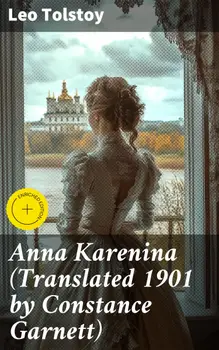
Anna Karenina (Translated 1901 by Constance Garnett) : Enriched edition. Love, Society, and Morality in 19th Century Russia: A Timeless Classic of Tragic Romance and Family Relationships

Leo Tolstoy's "Anna Karenina," in Constance Garnett's masterful 1901 translation, transcends the boundaries of its 19th-century Russian setting to explore timeless themes of love, fidelity, and societal expectation. The novel's intricate narrative weaves together the lives of several characters, most notably the tragic heroine Anna and her passionate affair with Count Vronsky, against a backdrop of Russian aristocracy. Tolstoy's realism and attention to psychological depth illuminate the complexities of human relationships, while his symbolic use of contrasting rural and urban settings amplifies the moral dilemmas faced by his characters. Tolstoy, a prominent figure in world literature, was deeply influenced by his experiences in the Russian gentry and his philosophical explorations of ethics and morality. His own struggles with faith, love, and societal norms undoubtedly informed the creation of Anna's poignant journey, revealing the profound anguish at the intersection of desire and duty. These personal reflections, combined with his acute observations of Russian life, position Tolstoy as a critical voice of his era, deeply invested in the moral fabric of society. "Anna Karenina" is an essential read for anyone seeking a profound exploration of human emotion and societal constraints. Tolstoy's rich character development and deep philosophical inquiries welcome readers into a world where love and despair collide, making this novel not only a literary masterpiece but also a significant commentary on the human condition.

In this enriched edition, we have carefully created added value for your reading experience:

- A succinct Introduction situates the work's timeless appeal and themes.

- The Synopsis outlines the central plot, highlighting key developments without spoiling critical twists.

- A detailed Historical Context immerses you in the era's events and influences that shaped the writing.

- An Author Biography reveals milestones in the author's life, illuminating the personal insights behind the text.

- A thorough Analysis dissects symbols, motifs, and character arcs to unearth underlying meanings.

- Reflection questions prompt you to engage personally with the work's messages, connecting them to modern life.

- Hand‐picked Memorable Quotes shine a spotlight on moments of literary brilliance.

- Interactive footnotes clarify unusual references, historical allusions, and archaic phrases for an effortless, more informed read.
Über dieses Buch

Leo Tolstoy's "Anna Karenina," in Constance Garnett's masterful 1901 translation, transcends the boundaries of its 19th-century Russian setting to explore timeless themes of love, fidelity, and societal expectation. The novel's intricate narrative weaves together the lives of several characters, most notably the tragic heroine Anna and her passionate affair with Count Vronsky, against a backdrop of Russian aristocracy. Tolstoy's realism and attention to psychological depth illuminate the complexities of human relationships, while his symbolic use of contrasting rural and urban settings amplifies the moral dilemmas faced by his characters. Tolstoy, a prominent figure in world literature, was deeply influenced by his experiences in the Russian gentry and his philosophical explorations of ethics and morality. His own struggles with faith, love, and societal norms undoubtedly informed the creation of Anna's poignant journey, revealing the profound anguish at the intersection of desire and duty. These personal reflections, combined with his acute observations of Russian life, position Tolstoy as a critical voice of his era, deeply invested in the moral fabric of society. "Anna Karenina" is an essential read for anyone seeking a profound exploration of human emotion and societal constraints. Tolstoy's rich character development and deep philosophical inquiries welcome readers into a world where love and despair collide, making this novel not only a literary masterpiece but also a significant commentary on the human condition.

In this enriched edition, we have carefully created added value for your reading experience:

- A succinct Introduction situates the work's timeless appeal and themes.

- The Synopsis outlines the central plot, highlighting key developments without spoiling critical twists.

- A detailed Historical Context immerses you in the era's events and influences that shaped the writing.

- An Author Biography reveals milestones in the author's life, illuminating the personal insights behind the text.

- A thorough Analysis dissects symbols, motifs, and character arcs to unearth underlying meanings.

- Reflection questions prompt you to engage personally with the work's messages, connecting them to modern life.

- Hand‐picked Memorable Quotes shine a spotlight on moments of literary brilliance.

- Interactive footnotes clarify unusual references, historical allusions, and archaic phrases for an effortless, more informed read.
Starte noch heute mit diesem Buch für 0 €

  • Hole dir während der Testphase vollen Zugriff auf alle Bücher in der App
  • Keine Verpflichtungen, jederzeit kündbar
Jetzt kostenlos testen
Mehr als 52 000 Menschen haben Nextory im App Store und auf Google Play 5 Sterne gegeben.

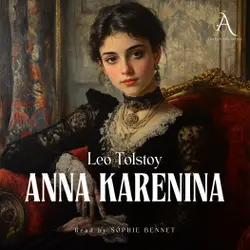
  1. Anna Karenina

    Leo Tolstoy

  2. The Essential Classics: Volume 6 : Boyhood, Childhood, Youth, Demons, Dombey and Son, Shirley, and The Tenant of Wildfell Hall

    Leo Tolstoy, Fyodor Dostoyevsky, Charles Dickens, Charlotte Brontë, Anne Brontë

  3. 5.0

    Krieg und Frieden Gesamtausgabe - Hörbuch

    Leo Tolstoy

  4. 5.0

    Anna Karenina - Audiobook

    Leo Tolstoy, Classic Audiobooks

  5. Der Tod des Ivan Iljitsch

    Leo Tolstoy

  6. 3.7

    Anna Karenina

    Leo Tolstoy

  7. 50 Masterpieces you need to read

    Louisa May Alcott, Jane Austen, Joseph Conrad, D. H. Lawrence, George Eliot, Leo Tolstoy, James Joyce, Charles Dickens, Bram Stoker, Oscar Wilde, Honoré de Balzac, Edgar Rice Burroughs, Anne Brontë, Charlotte Brontë, Emily Brontë, Lewis Carroll, Willa Cather, Miguel de Cervantes, E. Cummings, Fyodor Dostoyevsky, Daniel Defoe, Arthur Conan Doyle, Alexandre Dumas, Gustave Flaubert, Henry James, Victor Hugo

  8. 4.0

    Anna Karenina

    Leo Tolstoy

  9. 50 Masterpieces you have to read

    Louisa May Alcott, Jane Austen, Joseph Conrad, D. H. Lawrence, George Eliot, Leo Tolstoy, James Joyce, Charles Dickens, Bram Stoker, Oscar Wilde, Honoré de Balzac, Edgar Rice Burroughs, Anne Brontë, Charlotte Brontë, Emily Brontë, Lewis Carroll, Willa Cather, Miguel de Cervantes, E. Cummings, Fyodor Dostoyevsky, Daniel Defoe, Arthur Conan Doyle, Alexandre Dumas, Gustave Flaubert, Henry James, Victor Hugo

  10. Guerra y Paz

    Leo Tolstoy, Zeuk Media

  11. 50 Masterpieces you have to read

    Louisa May Alcott, Jane Austen, Joseph Conrad, D. H. Lawrence, George Eliot, Leo Tolstoy, James Joyce, Charles Dickens, Bram Stoker, Oscar Wilde, Honoré de Balzac, Edgar Rice Burroughs, Anne Brontë, Charlotte Brontë, Emily Brontë, Lewis Carroll, Willa Cather, Miguel de Cervantes, E. Cummings, Fyodor Dostoyevsky, Daniel Defoe, Arthur Conan Doyle, Alexandre Dumas, Gustave Flaubert, Henry James, Victor Hugo

  12. 4.7

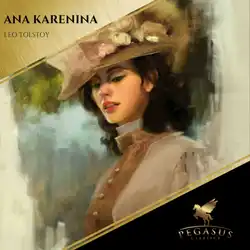
    Anna karenina

    Leo Tolstoy