Over dit boek

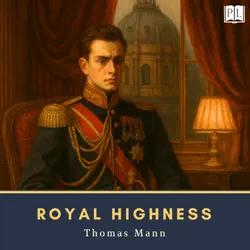
Published in 1909, Thomas Mann's *Royal Highness* is a richly ironic Künstlerroman of aristocratic self-discovery disguised as a modern fairy tale. Klaus Heinrich, the second son of a minor German grand duke, performs the ceremonial duties of royalty while feeling increasingly estranged from ordinary human life. His marriage to Imma Spoelmann, the intelligent and unconventional daughter of an immensely wealthy American industrialist, brings together hereditary privilege and capitalist modernity. Mann's polished, ceremonious prose, comic exaggeration, and subtly omniscient narration expose the theatricality of court culture while also granting its rituals psychological and ethical significance. The novel belongs to the tradition of the European social novel, anticipating Mann's later examinations of decadence, discipline, and the uneasy relationship between individual freedom and public role. Mann (1875–1955), born into the mercantile world of Lübeck, was exceptionally attentive to the tensions between bourgeois respectability, artistic inwardness, and inherited authority. Following the success of *Buddenbrooks*, he increasingly turned toward symbolic and psychological narratives that placed private development within broad historical structures. In *Royal Highness*, the declining prestige of German courts, the rise of industrial wealth, and the author's own fascination with ceremony and social performance converge in a comedy that is both affectionate and critical. The novel reflects the cultural atmosphere of Wilhelmine Germany shortly before the First World War, when aristocratic tradition and modern economic power were being renegotiated. Readers interested in European modernism, political symbolism, or the social history of prewar Germany will find *Royal Highness* especially rewarding. Its apparent lightness should not obscure its intellectual ambition: beneath the romance lies a sustained inquiry into whether dignity can survive when authority becomes performance. Mann's humor, formal control, and compassionate portrayal of flawed institutions make the book an accessible yet nuanced introduction to his art, while its questions about class, legitimacy, and responsible leadership remain strikingly contemporary.

Begin vandaag nog met dit boek voor € 0

  • Krijg volledige toegang tot alle boeken in de app tijdens de proefperiode
  • Geen verplichtingen, op elk moment annuleren
Probeer nu gratis
Meer dan 52.000 mensen hebben Nextory 5 sterren gegeven in de App store en op Google Play.

Vergelijkbare boeken

Meer van Thomas Mann

  1. 16 mrt
    5.0

    The Magic Mountain

    Thomas Mann

  2. Achtung, Europa! : Een eigentijdse waarschuwing

    Thomas Mann

  3. De dood in Venetië

    Thomas Mann

  4. 5.0

    The Magic Mountain

    Thomas Mann

  5. 4.3

    Buddenbrooks : The Decline of a Family

    Thomas Mann

  6. Nobelprijs
    4.8

    Buddenbrooks : The Decline of a Family

    Thomas Mann

  7. Nieuw

    Mario and the Magician and Other Late Stories

    Thomas Mann

  8. Nieuw

    50 Masterpieces you have to read before you die vol: 2

    Joseph Sheridan Fanu, Madame de Fayette, Jerome K Jerome, James Joyce, Charles Kingsley, Rudyard Kipling, Pierre Choderlos Laclos, D. H. Lawrence, Matthew Gregory Lewis, Sinclair Lewis, Jack London, H.P. Lovecraft, Thomas Mann, W. Somerset Maugham, Guy De Maupassant, Herman Melville, Edgar Allan Poe, Marcel Proust, Ann Radcliffe, Samuel Richardson, George Sand, Walter Scott, Mary Shelley, Henryk Sienkiewicz, May Sinclair, Upton Sinclair, Stendhal, Laurence Sterne, Robert Louis Stevenson, Bram Stoker, Harriet Beecher Stowe, Jonathan Swift, Rabindranath Tagore, William Makepeace Thackeray, Leo Tolstoy, Anthony Troloppe, Ivan Turgenev, Mark Twain, Jules Verne, Lew Wallace, H.G. Wells, Rebecca West, Edith Wharton, Oscar Wilde, Cao Xueqin, Émile Zola

  9. 50 Masterpieces you have to read before you die vol: 2

    Joseph Sheridan Fanu, Madame de Fayette, Jerome K Jerome, James Joyce, Charles Kingsley, Rudyard Kipling, Pierre Choderlos Laclos, D. H. Lawrence, Matthew Gregory Lewis, Sinclair Lewis, Jack London, H.P. Lovecraft, Thomas Mann, W. Somerset Maugham, Guy De Maupassant, Herman Melville, Edgar Allan Poe, Marcel Proust, Ann Radcliffe, Samuel Richardson, George Sand, Walter Scott, Mary Shelley, Henryk Sienkiewicz, May Sinclair, Upton Sinclair, Stendhal, Laurence Sterne, Robert Louis Stevenson, Bram Stoker, Harriet Beecher Stowe, Jonathan Swift, Rabindranath Tagore, William Makepeace Thackeray, Leo Tolstoy, Anthony Troloppe, Ivan Turgenev, Mark Twain, Jules Verne, Lew Wallace, H.G. Wells, Rebecca West, Edith Wharton, Oscar Wilde, Cao Xueqin, Émile Zola

  10. The Magic Moutain

    Thomas Mann

  11. 50 Masterpieces You Have to Read : Volume Two - A Second Library of World Literature

    Joseph Sheridan Fanu, Madame de Fayette, Jerome K Jerome, James Joyce, Charles Kingsley, Rudyard Kipling, Pierre Choderlos Laclos, D. H. Lawrence, Matthew Gregory Lewis, Sinclair Lewis, Jack London, H.P. Lovecraft, Thomas Mann, W. Somerset Maugham, Guy De Maupassant, Herman Melville, Edgar Allan Poe, Marcel Proust, Ann Radcliffe, Samuel Richardson, George Sand, Walter Scott, Mary Shelley, Henryk Sienkiewicz, May Sinclair, Upton Sinclair, Stendhal, Laurence Sterne, Robert Louis Stevenson, Bram Stoker, Harriet Beecher Stowe, Jonathan Swift, Rabindranath Tagore, William Makepeace Thackeray, Leo Tolstoy, Anthony Trollope, Ivan Turgenev, Mark Twain, Jules Verne, Lew Wallace, H.G. Wells, Rebecca West, Edith Wharton, Oscar Wilde, Cao Xueqin, Émile Zola

  12. Royal Highness

    Thomas Mann