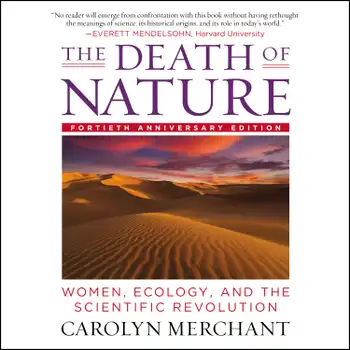
How modern science recast a living earth into a dead machine—and licensed centuries of ecological and social domination.
An examination of the Scientific Revolution that shows how the mechanistic world view of modern science has sanctioned the exploitation of nature, unrestrained commercial expansion, and a new socioeconomic order that subordinates women.
Merchant traces the cultural transition from an older organic cosmology that viewed the earth as a living, nurturing mother to a mechanical philosophy that treated matter as inert and passive.
The study assesses how technological innovations in drainage, mining, and timber clearing dismantled traditional communal restraints against environmental disruption.
History of Science: Reevaluates founding figures such as Francis Bacon, René Descartes, and William Harvey, contrasting their laboratory dissection of nature with alternative organic models from Tommaso Campanella and Johann Valentin Andreae.
Feminist Theory: Uncovers how the rise of mechanical physiology displaced traditional female midwives in favour of male surgeons using the Chamberlen forceps, while witch trials criminalised women associated with nature's unpredictable powers.
Environmental History: Documents the ecological collapse of European woodlands and wetlands, from the clear-cutting of oak for the Venetian Arsenal to the armed resistance of fen dwellers against Cornelius Vermuyden's drainage projects.
Social Theory: Explores forgotten vitalist philosophies, demonstrating how Lady Anne Conway's monistic spiritualism challenged Cartesian dualism and provided key foundations for Gottfried Wilhelm von Leibniz's monadology.