Over dit boek

THE POEM OF HASHISH is an intriguing anthology that delves deep into the mystical and often controversial relationship between creativity and narcotic influence. Curated from the works of Charles Baudelaire and Aleister Crowley, this collection showcases a unique literary convergence of symbolism and occultism, juxtaposed with a daring exploration of the mind's altered states. The anthology presents a range of styles from visionary prose to lyrical poetry, elucidating the thematic depths of transcendence, defiance, and self-discovery. Each piece serves as a stark luminary into the shadowy realms of human consciousness and artistic inspiration, daring the reader to reconsider the boundaries of normalcy and sanity. The contributing authors, Charles Baudelaire and Aleister Crowley, are iconic figures whose lives and works resonated within and beyond the literary and esoteric circles of their times. Baudelaire's flirtation with the decadent and macabre melds seamlessly with Crowley's infamy in mysticism and magical realism. Together, they encapsulate a period where art and individuality wrestled with societal norms and the mystical. Their collective literary output, informed by their controversial lifestyles and unconventional beliefs, challenges and augments the thematic core of this anthology, offering a complex tapestry of philosophical and existential query. This collection, THE POEM OF HASHISH, is a must-read for those fascinated by the intersections of literary art and psychological exploration. It offers a rare glimpse into how altered states can influence creativity and perception, providing a profound educational value. Readers are invited to traverse this landscape of altered consciousness through the masterful expressions of Baudelaire and Crowley, gaining unique insights into not only the literary but also the personal revolutions that define and propel the human experience.

In this enriched edition, we have carefully created added value for your reading experience:

- A succinct Introduction situates the work's timeless appeal and themes.

- The Synopsis outlines the central plot, highlighting key developments without spoiling critical twists.

- A detailed Historical Context immerses you in the era's events and influences that shaped the writing.

- An Author Biography reveals milestones in the author's life, illuminating the personal insights behind the text.

- A thorough Analysis dissects symbols, motifs, and character arcs to unearth underlying meanings.

- Reflection questions prompt you to engage personally with the work's messages, connecting them to modern life.

- Hand‐picked Memorable Quotes shine a spotlight on moments of literary brilliance.

- Interactive footnotes clarify unusual references, historical allusions, and archaic phrases for an effortless, more informed read.

Begin vandaag nog met dit boek voor € 0

  • Krijg volledige toegang tot alle boeken in de app tijdens de proefperiode
  • Geen verplichtingen, op elk moment annuleren
Probeer nu gratis
Meer dan 52.000 mensen hebben Nextory 5 sterren gegeven in de App store en op Google Play.

  1. 4.3

    500 Quotes from Great Minds

    Charles Baudelaire, Carl Jung, Martin Luther King, Dalai-lama, Laozi

  2. 5 nov

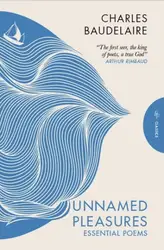
    Unnamed Pleasures: Essential Poems

    Charles Baudelaire

  3. Nieuw

    50 Clásicos que debes leer antes de morir

    Dante Alighieri, Aristóteles, Jane Austen, Charles Baudelaire, Giovanni Boccaccio, Anne Brontë, C. Collodi, James Fenimore Cooper, Fedor Mikhaïlovitch Dostoïevski, Arthur Conan Doyle, Alexandre Dumas, José de Espronceda, Gustave Flaubert, Sigmund Freud, Benito Pérez Galdós, Kahlil Gibran

  4. 50 Clásicos que Debes Leer Antes de Morir : Un viaje literario por los tesoros de la literatura universal

    Dante Alighieri, Aristóteles, Jane Austen, Charles Baudelaire, Giovanni Boccaccio, Anne Brontë, C. Collodi, James Fenimore Cooper, Fedor Mikhaïlovitch Dostoïevski, Arthur Conan Doyle, Alexandre Dumas, José de Espronceda, Gustave Flaubert, Sigmund Freud, Benito Pérez Galdós, Kahlil Gibran, Johann Wolfgang Goethe, Victor Hugo, Thomas Hardy, Nathaniel Hawthorne, Vicente Blasco Ibáñez, Washington Irving, James Joyce, Mariano José Larra, Jack London, Federico García Lorca, H.P. Lovecraft, Antonio Machado, Gustav Meyrink, John Stuart Mill, Amado Nervo, Friedrich Nietzsche, Solomon Northup, Alexander Sergeyevich Pushkin, Francisco de Quevedo, Walter Scott, William Shakespeare, Robert Louis Stevenson, Harriet Beecher Stowe, Jonathan Swift, Mark Twain, Miguel De Unamuno, Ramón María Valle-Inclán, Julio Verne, Virginia Woolf

  5. 50 Clásicos que Debes Leer Antes de Morir : Un viaje literario por los tesoros de la literatura universal

    Dante Alighieri, Aristóteles, Jane Austen, Charles Baudelaire, Giovanni Boccaccio, Anne Brontë, C. Collodi, James Fenimore Cooper, Fedor Mikhaïlovitch Dostoïevski, Arthur Conan Doyle, Alexandre Dumas, José de Espronceda, Gustave Flaubert, Sigmund Freud, Benito Pérez Galdós, Kahlil Gibran, Johann Wolfgang Goethe, Johann Wolfgang von Goethe, Victor Hugo, Thomas Hardy, Nathaniel Hawthorne, Vicente Blasco Ibáñez, Washington Irving, James Joyce, Mariano José de Larra, Jack London, Federico García Lorca, H.P. Lovecraft, Antonio Machado, Gustav Meyrink, John Stuart Mill, Amado Nervo, Friedrich Nietzsche, Solomon Northup, Alexander Sergeyevich Pushkin, Francisco de Quevedo, Walter Scott, William Shakespeare, Robert Louis Stevenson, Harriet Beecher Stowe, Jonathan Swift, Mark Twain, Miguel De Unamuno, Ramón María del Valle-Inclán, Julio Verne, Virginia Woolf

  6. Charles Baudelaire - Oeuvres complètes : Mélancolie poétique et exploration urbaine dans le Paris du XIXe siècle

    Charles Baudelaire

  7. El spleen de París : Reflexiones existenciales en la melancolía y vida bohemia de París

    Charles Baudelaire

  8. Diarios íntimos : Mi corazón al desnudo

    Charles Baudelaire

  9. La Fanfarlo : Obsesión amorosa y bohemia en el París del siglo XIX

    Charles Baudelaire

  10. Une charogne :

    Charles Baudelaire

  11. The Flowers of Evil

    Charles Baudelaire, Baudelaire Charles

  12. 3.3

    Las flores del mal

    Charles Baudelaire