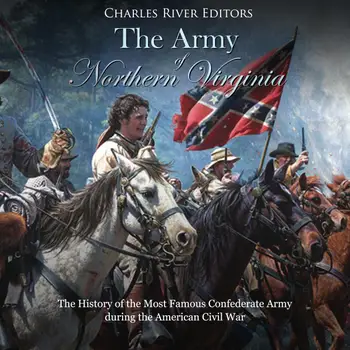
The Army of Northern Virginia: The History of the Most Famous Confederate Army during the American Civil War

Americans have long been fascinated by the Civil War, marveling at the size of the battles, the leadership of the generals, and the courage of the soldiers. Since the war's start over 150 years ago, the battles have been subjected to endless debate among historians and the generals themselves. The Civil War was the deadliest conflict in American history, and had the two sides realized it would take 4 years and inflict over a million casualties, it might not have been fought. Since it did, however, historians and history buffs alike have been studying and analyzing the biggest battles ever since.

Of course, the most famous battles of the war involved the Army of the Potomac facing off against Robert E. Lee’s Army of Northern Virginia at places like Antietam and Gettysburg. Antietam was the bloodiest day of the war and forced Lee out of Maryland, allowing Lincoln to issue the Emancipation Proclamation. The following summer would see the biggest and most famous battle at Gettysburg. Lee would try and fail to dislodge the Union army with attacks on both of its flanks during the second day and Pickett’s Charge right down the center of the line on the third and final day. Meade’s stout defense held, barely, repulsing each attempted assault, handing the Union a desperately needed victory that ended up being one of the Civil War’s turning points.

Lee is remembered today for constantly defeating the Union’s Army of the Potomac in the Eastern theater from 1862-1865, considerably frustrating Lincoln and his generals. His leadership of his army led to him being deified after the war by some of his former subordinates, especially Virginians, and he came to personify the Lost Cause’s ideal Southern soldier. His reputation was secured in the decades after the war as a general who brilliantly led his men to amazing victories against all odds. But Lee wasn’t perfect, andd he was most criticized for Gettysburg and Pickett's Charge in particular.

Über dieses Buch

Americans have long been fascinated by the Civil War, marveling at the size of the battles, the leadership of the generals, and the courage of the soldiers. Since the war's start over 150 years ago, the battles have been subjected to endless debate among historians and the generals themselves. The Civil War was the deadliest conflict in American history, and had the two sides realized it would take 4 years and inflict over a million casualties, it might not have been fought. Since it did, however, historians and history buffs alike have been studying and analyzing the biggest battles ever since.

Of course, the most famous battles of the war involved the Army of the Potomac facing off against Robert E. Lee’s Army of Northern Virginia at places like Antietam and Gettysburg. Antietam was the bloodiest day of the war and forced Lee out of Maryland, allowing Lincoln to issue the Emancipation Proclamation. The following summer would see the biggest and most famous battle at Gettysburg. Lee would try and fail to dislodge the Union army with attacks on both of its flanks during the second day and Pickett’s Charge right down the center of the line on the third and final day. Meade’s stout defense held, barely, repulsing each attempted assault, handing the Union a desperately needed victory that ended up being one of the Civil War’s turning points.

Lee is remembered today for constantly defeating the Union’s Army of the Potomac in the Eastern theater from 1862-1865, considerably frustrating Lincoln and his generals. His leadership of his army led to him being deified after the war by some of his former subordinates, especially Virginians, and he came to personify the Lost Cause’s ideal Southern soldier. His reputation was secured in the decades after the war as a general who brilliantly led his men to amazing victories against all odds. But Lee wasn’t perfect, andd he was most criticized for Gettysburg and Pickett's Charge in particular.
Starte noch heute mit diesem Buch für 0 €

  • Hole dir während der Testphase vollen Zugriff auf alle Bücher in der App
  • Keine Verpflichtungen, jederzeit kündbar
Jetzt kostenlos testen
Mehr als 52 000 Menschen haben Nextory im App Store und auf Google Play 5 Sterne gegeben.

  1. 2.0

    Die Panzer: Die Geschichte und das Vermächtnis von Nazideutschlands berühmtesten Panzern des Zweiten Weltkriegs

    Charles River Editors

  2. The Iranian Revolution and Iran Hostage Crisis: The History of the Events that Broke American Relations with Iran

    Charles River Editors

  3. The Byzantines and Ottomans: The History of the Medieval Middle East’s Most Influential Empires

    Charles River Editors

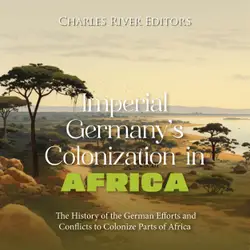
  4. Imperial Germany’s Colonization in Africa: The History of the German Efforts and Conflicts to Colonize Parts of Africa

    Charles River Editors

  5. The Carlist Wars and the Spanish Civil War: The History of the Conflicts that Divided Spain in the Last 200 Years

    Charles River Editors

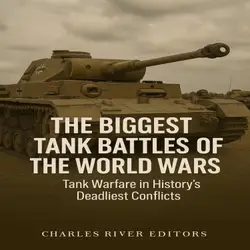
  6. The Biggest Tank Battles of the World Wars: Tank Warfare in History’s Deadliest Conflicts

    Charles River Editors

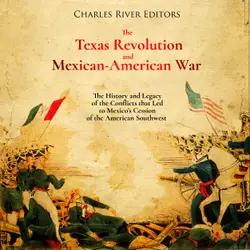
  7. The Texas Revolution and Mexican-American War: The History and Legacy of the Conflicts that Led to Mexico’s Cession of the American Southwest

    Charles River Editors

  8. Das mittelalterliche Russland: Die Geschichte und das Erbe der Gruppen, die den russischen Staat im Mittelalter entwickelten

    Charles River Editors

  9. 3.9

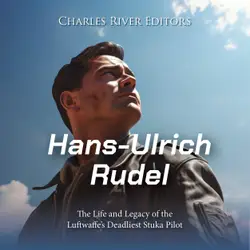
    Hans-Ulrich Rudel: The Life and Legacy of the Luftwaffe’s Deadliest Stuka Pilot

    Charles River Editors

  10. The Colonization of South Africa: The History and Legacy of the European Subjugation of South Africa

    Charles River Editors

  11. The Ancient Kingdoms of Africa: The History and Legacy of the African Continent’s Most Prominent Kingdoms in Antiquity

    Charles River Editors

  12. The Spanish Empire in the Americas: The History of Spain’s Colonization across Central America and South America

    Charles River Editors