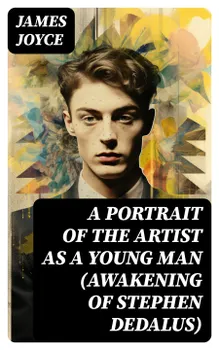
A PORTRAIT OF THE ARTIST AS A YOUNG MAN (Awakening of Stephen Dedalus)

In "A Portrait of the Artist as a Young Man," James Joyce embarks on a semi-autobiographical journey that intimately chronicles the formative years of Stephen Dedalus, exploring themes of identity, artistry, and the burgeoning consciousness of a young man in late 19th-century Ireland. Employing a stream-of-consciousness narrative style, Joyce deftly navigates Stephen's internal struggles against societal, religious, and familial expectations, offering a rich tapestry of language that blends poetic prose with intricate psychological insights. Set against the backdrop of a stifling, traditionalist Dublin, the narrative captures the painful awakening of an artist yearning for freedom and self-expression, thereby situating itself within the modernist literary canon, which sought to redefine narrative forms and subjectivity. James Joyce, heralded as a cornerstone of modernist literature, draws upon his own experiences growing up in Dublin to craft the character of Stephen Dedalus. Joyce's tumultuous relationship with religion, his family, and the artistic community is reflected in Stephen's quest for autonomy and authenticity. The novel serves not only as a coming-of-age story but also as a profound commentary on the tension between individual artistry and cultural constraints, informed by Joyce's innovative techniques and deep philosophical inquiries. This seminal work is essential for readers interested in the evolution of literary modernism and the complexities of the artist's psyche. Joyce's intricate storytelling and deep psychological focus render the novel a timeless exploration of youth, rebellion, and the painful birth of creativity. Recommended for students and lovers of literature alike, "A Portrait of the Artist as a Young Man" remains a pivotal text that resonates with anyone who has grappled with the challenges of self-discovery and artistic authenticity.
Sobre este libro

In "A Portrait of the Artist as a Young Man," James Joyce embarks on a semi-autobiographical journey that intimately chronicles the formative years of Stephen Dedalus, exploring themes of identity, artistry, and the burgeoning consciousness of a young man in late 19th-century Ireland. Employing a stream-of-consciousness narrative style, Joyce deftly navigates Stephen's internal struggles against societal, religious, and familial expectations, offering a rich tapestry of language that blends poetic prose with intricate psychological insights. Set against the backdrop of a stifling, traditionalist Dublin, the narrative captures the painful awakening of an artist yearning for freedom and self-expression, thereby situating itself within the modernist literary canon, which sought to redefine narrative forms and subjectivity. James Joyce, heralded as a cornerstone of modernist literature, draws upon his own experiences growing up in Dublin to craft the character of Stephen Dedalus. Joyce's tumultuous relationship with religion, his family, and the artistic community is reflected in Stephen's quest for autonomy and authenticity. The novel serves not only as a coming-of-age story but also as a profound commentary on the tension between individual artistry and cultural constraints, informed by Joyce's innovative techniques and deep philosophical inquiries. This seminal work is essential for readers interested in the evolution of literary modernism and the complexities of the artist's psyche. Joyce's intricate storytelling and deep psychological focus render the novel a timeless exploration of youth, rebellion, and the painful birth of creativity. Recommended for students and lovers of literature alike, "A Portrait of the Artist as a Young Man" remains a pivotal text that resonates with anyone who has grappled with the challenges of self-discovery and artistic authenticity.

Empieza este libro hoy por 0 €

  • Disfruta de acceso completo a todos los libros de la app durante el periodo de prueba
  • Sin compromiso, cancela cuando quieras
Pruébalo gratis ahora
Más de 52 000 clientes han dado a Nextory 5 estrellas en la App Store y Google Play.

  1. 50 Clásicos que Debes Leer Antes de Morir : Un viaje literario por los tesoros de la literatura universal

    Dante Alighieri, Aristóteles, Jane Austen, Charles Baudelaire, Giovanni Boccaccio, Anne Brontë, C. Collodi, James Fenimore Cooper, Fedor Mikhaïlovitch Dostoïevski, Arthur Conan Doyle, Alexandre Dumas, José de Espronceda, Gustave Flaubert, Sigmund Freud, Benito Pérez Galdós, Kahlil Gibran, Johann Wolfgang Goethe, Johann Wolfgang von Goethe, Victor Hugo, Thomas Hardy, Nathaniel Hawthorne, Vicente Blasco Ibáñez, Washington Irving, James Joyce, Mariano José de Larra, Jack London, Federico García Lorca, H.P. Lovecraft, Antonio Machado, Gustav Meyrink, John Stuart Mill, Amado Nervo, Friedrich Nietzsche, Solomon Northup, Alexander Sergeyevich Pushkin, Francisco de Quevedo, Walter Scott, William Shakespeare, Robert Louis Stevenson, Harriet Beecher Stowe, Jonathan Swift, Mark Twain, Miguel De Unamuno, Ramón María del Valle-Inclán, Julio Verne, Virginia Woolf

  2. 2.0

    50 Clásicos que Debes Leer Antes de Morir: Tu Pasaporte a los Tesoros de la Literatura Universal

    Dante Alighieri, Aristóteles, Jane Austen, Charles Baudelaire, Giovanni Boccaccio, Anne Brontë, C. Collodi, James Fenimore Cooper, Fedor Mikhaïlovitch Dostoïevski, Arthur Conan Doyle, Alexandre Dumas, José de Espronceda, Gustave Flaubert, Sigmund Freud, Benito Pérez Galdós, Kahlil Gibran, Johann Wolfgang Goethe, Johann Wolfgang von Goethe, Victor Hugo, Thomas Hardy, Nathaniel Hawthorne, Vicente Blasco Ibáñez, Washington Irving, James Joyce, Mariano José de Larra, Jack London, Federico García Lorca, H.P. Lovecraft, Antonio Machado, Gustav Meyrink, John Stuart Mill, Amado Nervo, Friedrich Nietzsche, Solomon Northup, Alexander Sergeyevich Pushkin, Francisco de Quevedo, Walter Scott, William Shakespeare, Robert Louis Stevenson, Harriet Beecher Stowe, Jonathan Swift, Mark Twain, Miguel De Unamuno, Ramón María del Valle-Inclán, Julio Verne, Virginia Woolf

  3. 100 Obras Maestras Que Debes Leer Antes De Morir

    Francis Scott Fitzgerald, Mary Shelley, Lyman Frank Baum, Edith Nesbit, Dante Alighieri, Jane Austen, Ambrose Bierce, Emily Brontë, Edgar Rice Burroughs, Lewis Carroll, Wilkie Collins, René Descartes, Charles Dickens, Emily Dickinson, Alexandre Dumas, Gustave Flaubert, Benito Pérez Galdós, Johann Wolfgang von Goethe, Thomas Hardy, E T A Hoffmann, Washington Irving, Henry James, James Joyce, Franz Kafka, Gaston Leroux, Federico García Lorca, H.P. Lovecraft, Publio Virgilio Marón, Lucy Maud Montgomery, John William Polidori, Marco Polo, Antoine de Saint-Exupéry, Emilio Salgari, Walter Scott, Mark Twain, Jules Verne, H.G. Wells, Edith Wharton, Mary Wollstonecraft, Fernando de Rojas

  4. 100 Clásicos de la Literatura

    Francis Scott Fitzgerald, Mary Shelley, Lyman Frank Baum, Louisa May Alcott, Dante Alighieri, Jane Austen, Ambrose Bierce, Emily Brontë, Edgar Rice Burroughs, Lewis Carroll, Wilkie Collins, René Descartes, Charles Dickens, Emily Dickinson, Alexandre Dumas, Gustave Flaubert, Benito Pérez Galdós, Johann Wolfgang von Goethe, Thomas Hardy, E T A Hoffmann, Washington Irving, Henry James, James Joyce, Franz Kafka, Gaston Leroux, Federico García Lorca, H.P. Lovecraft, Publio Virgilio Marón, Lucy Maud Montgomery, John William Polidori, Marco Polo, Antoine de Saint-Exupéry, Emilio Salgari, Walter Scott, Mark Twain, Jules Verne, H.G. Wells, Edith Wharton, Mary Wollstonecraft, Fernando de Rojas

  5. 100 Obras Maestras Que Debes Leer Antes De Morir

    Francis Scott Fitzgerald, Mary Shelley, Lyman Frank Baum, Edith Nesbit, Dante Alighieri, Jane Austen, Ambrose Bierce, Emily Brontë, Edgar Rice Burroughs, Lewis Carroll, Wilkie Collins, René Descartes, Charles Dickens, Emily Dickinson, Alexandre Dumas, Gustave Flaubert, Benito Pérez Galdós, Johann Wolfgang von Goethe, Thomas Hardy, E T A Hoffmann, Washington Irving, Henry James, James Joyce, Franz Kafka, Gaston Leroux, Federico García Lorca, H.P. Lovecraft, Publio Virgilio Marón, Lucy Maud Montgomery, John William Polidori, Marco Polo, Antoine de Saint-Exupéry, Emilio Salgari, Walter Scott, Mark Twain, Jules Verne, H.G. Wells, Edith Wharton, Mary Wollstonecraft, Fernando de Rojas

  6. 100 Clásicos de la Literatura

    Francis Scott Fitzgerald, Mary Shelley, Lyman Frank Baum, Louisa May Alcott, Dante Alighieri, Jane Austen, Ambrose Bierce, Emily Brontë, Edgar Rice Burroughs, Lewis Carroll, Wilkie Collins, René Descartes, Charles Dickens, Emily Dickinson, Alexandre Dumas, Gustave Flaubert, Benito Pérez Galdós, Johann Wolfgang von Goethe, Thomas Hardy, E T A Hoffmann, Washington Irving, Henry James, James Joyce, Franz Kafka, Gaston Leroux, Federico García Lorca, H.P. Lovecraft, Publio Virgilio Marón, Lucy Maud Montgomery, John William Polidori, Marco Polo, Antoine de Saint-Exupéry, Emilio Salgari, Walter Scott, Mark Twain, Jules Verne, H.G. Wells, Edith Wharton, Mary Wollstonecraft, Fernando de Rojas

  7. Dublineses

    James Joyce

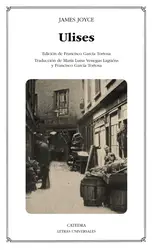
  8. Ulises

    James Joyce

  9. Retrato del joven artista

    James Joyce

  10. Ulises

    James Joyce

  11. El Ulises

    James Joyce

  12. 4.7

    Ulises

    James Joyce