What happens when women are denied the education and independence necessary to develop their full potential?
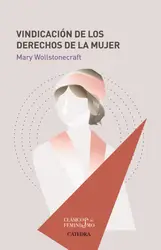
In A Vindication of the Rights of Woman, Mary Wollstonecraft presents one of the most influential works in the history of feminist thought. First published in 1792, this groundbreaking work challenges the social and educational limitations placed upon women and argues for their intellectual, moral, and personal independence.
Wollstonecraft questions the belief that women are naturally inferior to men. Instead, she argues that women often appear less capable because society denies them equal opportunities for education and encourages them to focus on appearance, obedience, and dependence rather than reason and character.
The book explores important themes including women's education, gender equality, reason, marriage, independence, morality, social expectations, and individual freedom. Wollstonecraft also connects the position of women with broader questions about human dignity, virtue, and the structure of society.
Written during the intellectual era of the Enlightenment, A Vindication of the Rights of Woman became an important foundation for later discussions of women's rights and feminist philosophy. Its arguments remain relevant to readers interested in equality, education, social reform, and the history of women's rights.
For readers interested in feminism, women's history, political philosophy, education, gender equality, and classic social criticism, this work offers an essential introduction to Wollstonecraft's pioneering ideas.
Discover one of the foundational texts of feminist thought and explore Mary Wollstonecraft's powerful arguments for education, reason, equality, and women's independence.