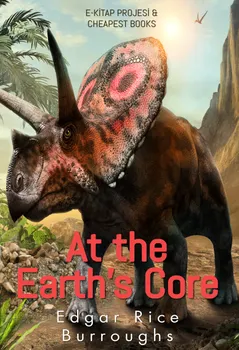
At the Earth's Core

At the Earth's Core is a 1914 fantasy novel by Edgar Rice Burroughs, the first in his series about the fictional "hollow earth" land of Pellucidar. It first appeared as a four-part serial in All-Story Weekly from April 4–25, 1914. It was first published in book form in hardcover by A. C. McClurg in July, 1922.

The author relates how, traveling in the Sahara desert, he has encountered a remarkable vehicle and its pilot, David Innes, a man with a remarkable story to tell. Back in the world we know David meets the author, who after hearing his tale and seeing his prehistoric captive, helps him resupply and prepare the mole for the return to Pellucidar. PROLOG: IN THE FIRST PLACE PLEASE BEAR IN MIND THAT I do not expect you to believe this story. Nor could you wonder had you witnessed a recent experience of mine when, in the armor of blissful and stupendous ignorance, I gaily narrated the gist of it to a Fellow of the Royal Geological Society on the occasion of my last trip to London.

You would surely have thought that I had been detected in no less a heinous crime than the purloining of the Crown Jewels from the Tower, or putting poison in the coffee of His Majesty the King. The erudite gentleman in whom I confided congealed before I was half through!—it is all that saved him from exploding—and my dreams of an Honorary Fellowship, gold medals, and a niche in the Hall of Fame faded into the thin, cold air of his arctic atmosphere. But I believe the story, and so would you, and so would the learned Fellow of the Royal Geological Society, had you and he heard it from the lips of the man who told it to me. Had you seen, as I did, the fire of truth in those gray eyes; had you felt the ring of sincerity in that quiet voice; had you realized the pathos of it all—you, too, would believe.

You would not have needed the final ocular proof that I had—the weird rhamphorhynchus-like creature which he had brought back with him from the inner world. I came upon him quite suddenly, and no less unexpectedly, upon the rim of the great Sahara Desert. He was standing before a goat-skin tent amidst a clump of date palms within a tiny oasis. Close by was an Arab douar of some eight or ten tents.
Sobre este libro

At the Earth's Core is a 1914 fantasy novel by Edgar Rice Burroughs, the first in his series about the fictional "hollow earth" land of Pellucidar. It first appeared as a four-part serial in All-Story Weekly from April 4–25, 1914. It was first published in book form in hardcover by A. C. McClurg in July, 1922.

The author relates how, traveling in the Sahara desert, he has encountered a remarkable vehicle and its pilot, David Innes, a man with a remarkable story to tell. Back in the world we know David meets the author, who after hearing his tale and seeing his prehistoric captive, helps him resupply and prepare the mole for the return to Pellucidar. PROLOG: IN THE FIRST PLACE PLEASE BEAR IN MIND THAT I do not expect you to believe this story. Nor could you wonder had you witnessed a recent experience of mine when, in the armor of blissful and stupendous ignorance, I gaily narrated the gist of it to a Fellow of the Royal Geological Society on the occasion of my last trip to London.

You would surely have thought that I had been detected in no less a heinous crime than the purloining of the Crown Jewels from the Tower, or putting poison in the coffee of His Majesty the King. The erudite gentleman in whom I confided congealed before I was half through!—it is all that saved him from exploding—and my dreams of an Honorary Fellowship, gold medals, and a niche in the Hall of Fame faded into the thin, cold air of his arctic atmosphere. But I believe the story, and so would you, and so would the learned Fellow of the Royal Geological Society, had you and he heard it from the lips of the man who told it to me. Had you seen, as I did, the fire of truth in those gray eyes; had you felt the ring of sincerity in that quiet voice; had you realized the pathos of it all—you, too, would believe.

You would not have needed the final ocular proof that I had—the weird rhamphorhynchus-like creature which he had brought back with him from the inner world. I came upon him quite suddenly, and no less unexpectedly, upon the rim of the great Sahara Desert. He was standing before a goat-skin tent amidst a clump of date palms within a tiny oasis. Close by was an Arab douar of some eight or ten tents.
Empieza este libro hoy por 0 €

  • Disfruta de acceso completo a todos los libros de la app durante el periodo de prueba
  • Sin compromiso, cancela cuando quieras
Pruébalo gratis ahora
Más de 52 000 clientes han dado a Nextory 5 estrellas en la App Store y Google Play.

  1. 100 Clásicos de la Literatura Universal

    Francis Scott Fitzgerald, Mary Shelley, Lyman Frank Baum, Louisa May Alcott, Dante Alighieri, Jane Austen, Ambrose Bierce, Emily Brontë, Edgar Rice Burroughs, Lewis Carroll, Wilkie Collins, René Descartes, Charles Dickens, Emily Dickinson, Alexandre Dumas, Gustave Flaubert, Benito Pérez Galdós, Johann Wolfgang von Goethe, Thomas Hardy, E T A Hoffmann, Washington Irving, Henry James, James Joyce, Franz Kafka, Gaston Leroux, Federico García Lorca, H.P. Lovecraft, Publio Virgilio Marón, Lucy Maud Montgomery, John William Polidori, Marco Polo, Antoine de Saint-Exupéry, Emilio Salgari, Walter Scott, Mark Twain, Jules Verne, Julio Verne, H.G. Wells, Edith Wharton, Mary Wollstonecraft, Stefan Zweig, Sun Tzu, Bram Stoker, - Aristoteles, George Bernard Shaw, Henryk Sienkiewicz, Concepción Arenal, Charlotte Brontë, Miguel de Cervantes, G.K. Chesterton, Daniel Defoe, Fyodor Mikhailovich Dostoyevsky, Arthur Conan Doyle, Sigmund Freud, H. Rider Haggard, Homero, Immanuel Kant, Rudyard Kipling, Molière, Friedrich Nietzsche, Fernando de Rojas, Sófocles, William Makepeace Thackeray, León Tolstói, Voltaire, Ramón María del Valle-Inclán, Oscar Wilde, Virginia Woolf

  2. 100 Clásicos de la Literatura

    Francis Scott Fitzgerald, Mary Shelley, Lyman Frank Baum, Louisa May Alcott, Dante Alighieri, Jane Austen, Ambrose Bierce, Emily Brontë, Edgar Rice Burroughs, Lewis Carroll, Wilkie Collins, René Descartes, Charles Dickens, Emily Dickinson, Alexandre Dumas, Gustave Flaubert, Benito Pérez Galdós, Johann Wolfgang von Goethe, Thomas Hardy, E T A Hoffmann, Washington Irving, Henry James, James Joyce, Franz Kafka, Gaston Leroux, Federico García Lorca, H.P. Lovecraft, Publio Virgilio Marón, Lucy Maud Montgomery, John William Polidori, Marco Polo, Antoine de Saint-Exupéry, Emilio Salgari, Walter Scott, Mark Twain, Jules Verne, H.G. Wells, Edith Wharton, Mary Wollstonecraft, Fernando de Rojas

  3. Nuevo

    100 obras maestras que debes leer antes de morir

    Francis Scott Fitzgerald, Mary Shelley, Lyman Frank Baum, Edith Nesbit, Dante Alighieri, Jane Austen, Ambrose Bierce, Emily Brontë, Edgar Rice Burroughs, Lewis Carroll, Wilkie Collins, René Descartes, Charles Dickens, Emily Dickinson, Alexandre Dumas, Gustave Flaubert, Benito Pérez Galdós, Johann Wolfgang Goethe, Thomas Hardy, E. T. Hoffmann, Washington Irving, Henry James, James Joyce, Franz Kafka, Gaston Leroux, Federico García Lorca, H.P. Lovecraft, Publio Virgilio Marón, Lucy Maud Montgomery, John William Polidori, Marco Polo, Antoine de Saint-Exupéry, Emilio Salgari, Walter Scott, Mark Twain, Jules Verne

  4. 100 Obras Maestras de la Literatura Universal : Edición enriquecida. Explorando la diversidad literaria a lo largo de los siglos

    Johann Wolfgang Goethe, Gustave Flaubert, Franz Kafka, Lewis Carroll, Sigmund Freud, Henrik Ibsen, Charles Dickens, Honoré de Balzac, Mark Twain, Immanuel Kant, Friedrich Schiller, Harriet Beecher Stowe, Oscar Wilde, Robert Louis Stevenson, Edgar Allan Poe, William Shakespeare, Dante Alighieri, Giovanni Boccaccio, Bram Stoker, Charlotte Brontë, Emily Brontë, Jack London, Henry James, Louisa May Alcott, Victor Hugo, Arthur Conan Doyle, Joseph Conrad, Jane Austen, José Rizal, Edgar Rice Burroughs, Herman Melville, Jonathan Swift, Gustavo Adolfo Bécquer, Vicente Blasco Ibáñez, Benito Pérez Galdós, Jean-Jacques Rousseau, Daniel Defoe, Pedro Calderón Barca, Virginia Woolf, Washington Irving, Juan Valera, Horacio Quiroga, Nathaniel Hawthorne, Charles Baudelaire, Wilkie Collins, William Makepeace Thackeray, Voltaire, Apuleius, Leopoldo Alas, John Milton, José Martí, Lope de Vega, Emilio Salgari, Francisco de Quevedo, Rubén Darío, Antonio Machado, José Zorrilla, Tirso de Molina, Emilia Pardo Bazán, Fernando de Rojas, L. Frank Baum, H.G. Wells, J.M. Barrie, H. Rider Haggard, H.P. Lovecraft, Seneca, Hans Christian Andersen, Friedrich Nietzsche, Mary Shelley, Baltasar Gracián, Sófocles, Sun Tzu, Fiódor Dostoyevski, Antón Chéjov, León Tolstoi, Tomás Moro, San Agustín, Nikolái Gógol, Julio Verne, Homero, Platón, Alejandro Dumas, Aristóteles, Hermanos Grimm, Jorge Isaacs, Ignacio De Loyola, Nicolás Maquiavelo, Miguel Cervantes, Teresa de Jesús, Alejandro Dumas hijo, Mijaíl Bakunin, Miguel De Unamuno, Duque de Rivas, Ramón María Valle-Inclán, Federico García Lorca, Gibrán Jalil Gibrán

  5. 100 Obras Maestras de la Literatura Universal : Edición enriquecida. Viaje intertemporal por iconos mundiales y el diálogo cultural histórico

    Johann Wolfgang Goethe, Gustave Flaubert, Franz Kafka, Lewis Carroll, Sigmund Freud, Henrik Ibsen, Charles Dickens, Honoré de Balzac, Mark Twain, Immanuel Kant, Friedrich Schiller, Harriet Beecher Stowe, Oscar Wilde, Robert Louis Stevenson, Edgar Allan Poe, William Shakespeare, Dante Alighieri, Giovanni Boccaccio, Bram Stoker, Charlotte Brontë, Emily Brontë, Jack London, Henry James, Louisa May Alcott, Victor Hugo, Arthur Conan Doyle, Joseph Conrad, Jane Austen, José Rizal, Edgar Rice Burroughs, Herman Melville, Jonathan Swift, Gustavo Adolfo Bécquer, Vicente Blasco Ibáñez, Benito Pérez Galdós, Jean-Jacques Rousseau, Daniel Defoe, Pedro Calderón Barca, Virginia Woolf, Washington Irving, Juan Valera, Horacio Quiroga, Nathaniel Hawthorne, Charles Baudelaire, Wilkie Collins, William Makepeace Thackeray, Voltaire, Apuleius, Leopoldo Alas, John Milton, José Martí, Lope de Vega, Emilio Salgari, Francisco de Quevedo, Rubén Darío, Antonio Machado, José Zorrilla, Tirso de Molina, Emilia Pardo Bazán, Fernando de Rojas, L. Frank Baum, H.G. Wells, J.M. Barrie, H. Rider Haggard, H.P. Lovecraft, Seneca, Hans Christian Andersen, Friedrich Nietzsche, Mary Shelley, Baltasar Gracián, Sófocles, Sun Tzu, Fiódor Dostoyevski, Antón Chéjov, León Tolstoi, Tomás Moro, San Agustín, Nikolái Gógol, Julio Verne, Homero, Platón, Alejandro Dumas, Aristóteles, Hermanos Grimm, Jorge Isaacs, Ignacio De Loyola, Nicolás Maquiavelo, Miguel Cervantes, Teresa de Jesús, Alejandro Dumas hijo, Mijaíl Bakunin, Miguel De Unamuno, Duque de Rivas, Ramón María Valle-Inclán, Federico García Lorca, Gibrán Jalil Gibrán

  6. 100 Obras Maestras Que Debes Leer Antes De Morir

    Francis Scott Fitzgerald, Mary Shelley, Lyman Frank Baum, Edith Nesbit, Dante Alighieri, Jane Austen, Ambrose Bierce, Emily Brontë, Edgar Rice Burroughs, Lewis Carroll, Wilkie Collins, René Descartes, Charles Dickens, Emily Dickinson, Alexandre Dumas, Gustave Flaubert, Benito Pérez Galdós, Johann Wolfgang von Goethe, Thomas Hardy, E T A Hoffmann, Washington Irving, Henry James, James Joyce, Franz Kafka, Gaston Leroux, Federico García Lorca, H.P. Lovecraft, Publio Virgilio Marón, Lucy Maud Montgomery, John William Polidori, Marco Polo, Antoine de Saint-Exupéry, Emilio Salgari, Walter Scott, Mark Twain, Jules Verne, H.G. Wells, Edith Wharton, Mary Wollstonecraft, Fernando de Rojas

  7. 100 Clásicos de la Literatura - La Colección Definitiva de Obras Maestras en Español para Lectores Apasionados

    Francis Scott Fitzgerald, Mary Shelley, Lyman Frank Baum, Louisa May Alcott, Dante Alighieri, Jane Austen, Ambrose Bierce, Emily Brontë, Edgar Rice Burroughs, Lewis Carroll, Wilkie Collins, René Descartes, Charles Dickens, Emily Dickinson, Alexandre Dumas, Gustave Flaubert, Benito Pérez Galdós, Johann Wolfgang von Goethe, Thomas Hardy, E T A Hoffmann, Washington Irving, Henry James, James Joyce, Franz Kafka, Gaston Leroux, Federico García Lorca, H.P. Lovecraft, Publio Virgilio Marón, Lucy Maud Montgomery, John William Polidori, Marco Polo, Antoine de Saint-Exupéry, Emilio Salgari, Walter Scott, Mark Twain, Jules Verne, H.G. Wells, Edith Wharton, Mary Wollstonecraft, Fernando de Rojas

  8. 100 Obras Maestras Que Debes Leer Antes De Morir

    Francis Scott Fitzgerald, Mary Shelley, Lyman Frank Baum, Edith Nesbit, Dante Alighieri, Jane Austen, Ambrose Bierce, Emily Brontë, Edgar Rice Burroughs, Lewis Carroll, Wilkie Collins, René Descartes, Charles Dickens, Emily Dickinson, Alexandre Dumas, Gustave Flaubert, Benito Pérez Galdós, Johann Wolfgang von Goethe, Thomas Hardy, E T A Hoffmann, Washington Irving, Henry James, James Joyce, Franz Kafka, Gaston Leroux, Federico García Lorca, H.P. Lovecraft, Publio Virgilio Marón, Lucy Maud Montgomery, John William Polidori, Marco Polo, Antoine de Saint-Exupéry, Emilio Salgari, Walter Scott, Mark Twain, Jules Verne, H.G. Wells, Edith Wharton, Mary Wollstonecraft, Fernando de Rojas

  9. 100 Clásicos de la Literatura

    Francis Scott Fitzgerald, Mary Shelley, Lyman Frank Baum, Louisa May Alcott, Dante Alighieri, Jane Austen, Ambrose Bierce, Emily Brontë, Edgar Rice Burroughs, Lewis Carroll, Wilkie Collins, René Descartes, Charles Dickens, Emily Dickinson, Alexandre Dumas, Gustave Flaubert, Benito Pérez Galdós, Johann Wolfgang von Goethe, Thomas Hardy, E T A Hoffmann, Washington Irving, Henry James, James Joyce, Franz Kafka, Gaston Leroux, Federico García Lorca, H.P. Lovecraft, Publio Virgilio Marón, Lucy Maud Montgomery, John William Polidori, Marco Polo, Antoine de Saint-Exupéry, Emilio Salgari, Walter Scott, Mark Twain, Jules Verne, H.G. Wells, Edith Wharton, Mary Wollstonecraft, Fernando de Rojas

  10. 3.5

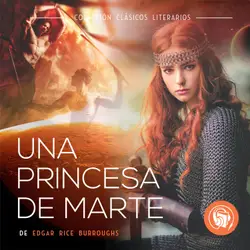
    Una princesa de Marte

    Edgar Rice Burroughs

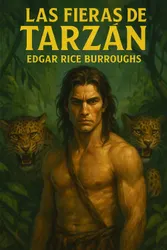
  11. Las fieras de Tarzán

    Edgar Rice Burroughs

  12. 4.3

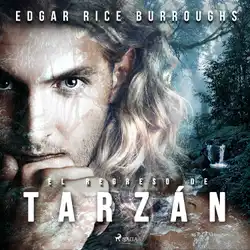
    El regreso de Tarzán

    Edgar Rice Burroughs