"I thought life was going to be a brilliant comedy, and you were to be one of the many graceful figures in it."
While imprisoned in 1895-7 for "gross indecency", the brilliant poet and playwright Oscar Wilde wrote a long, impassioned letter to his estranged young lover, Lord Alfred Douglas. Later published as De Profundis, Wilde's letter describes the unbearable pains and blissful pleasures of his love, as well as his views on art, Christianity, and incarceration. Heavily abridged in most editions, De Profundis is here reproduced in full - a telling insight into this charismatic and sensitive author's life and times.
"I thought life was going to be a brilliant comedy, and you were to be one of the many graceful figures in it."
While imprisoned in 1895-7 for "gross indecency", the brilliant poet and playwright Oscar Wilde wrote a long, impassioned letter to his estranged young lover, Lord Alfred Douglas. Later published as De Profundis, Wilde's letter describes the unbearable pains and blissful pleasures of his love, as well as his views on art, Christianity, and incarceration. Heavily abridged in most editions, De Profundis is here reproduced in full - a telling insight into this charismatic and sensitive author's life and times.
Empieza este libro hoy por 0 €
Disfruta de acceso completo a todos los libros de la app durante el periodo de prueba
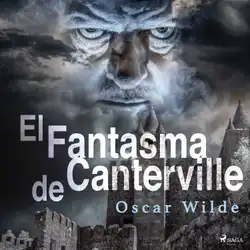
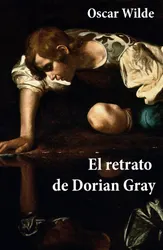
Novelista, poeta, crítico literario y autor teatral de origen irlandés, gran exponente del esteticismo, Oscar Wilde conoció el éxito desde sus comienzos gracias al ingenio punzante y epigramático que derrochó en sus obras, dedicadas casi siempre a fustigar a sus contemporáneos. Defensor del arte por el arte, sus relatos repletos de diálogos vivos y cargados de ironía provocaron feroces críticas de los sectores conservadores, que se acentuaron cuando Wilde fue acusado y condenado por su homosexualidad, lo que originó el declive de su carrera literaria y de su vida personal. Entre sus obras destacan las cuatro comedias teatrales El abanico de lady Windermere (1892), Una mujer sin importancia (1893), Un marido ideal (1895) y La importancia de llamarse Ernesto (1895), El fantasma de Canterville o El retrato de Dorian Gray, su única novela.