Emma

A high-spirited young woman meddles in other peoples' love lives in this classic comedy of errors set in nineteenth century England.

For Emma, raised to think well of herself, has such a high opinion of her own worth that it blinds her to the opinions of others. The story revolves around a comedy of errors: Emma befriends Harriet Smith, a young woman of unknown parentage, and attempts to remake her in her own image. Ignoring the gaping difference in their respective fortunes and stations in life, Emma convinces herself and her friend that Harriet should look as high as Emma herself might for a husband—and she zeroes in on an ambitious vicar as the perfect match. At the same time, she reads too much into a flirtation with Frank Churchill, the newly arrived son of family friends, and thoughtlessly starts a rumor about poor but beautiful Jane Fairfax, the beloved niece of two genteelly impoverished elderly ladies in the village.

As Emma's fantastically misguided schemes threaten to surge out of control, the voice of reason is provided by Mr. Knightly, the Woodhouse's longtime friend and neighbor. Though Austen herself described Emma as "a heroine whom no one but myself will much like," she endowed her creation with enough charm to see her through her most egregious behavior, and the saving grace of being able to learn from her mistakes. By the end of the novel Harriet, Frank, and Jane are all properly accounted for, Emma is wiser (though certainly not sadder), and the reader has had the satisfaction of enjoying Jane Austen at the height of her powers.

This edition inludes:

-A concise introduction that gives readers important background information

-A chronology of the author's life and work

-A timeline of significant events that provides the book's historical context

-An outline of key themes and plot points to help readers form their own interpretations

-Detailed explanatory notes

-Critical analysis, including contemporary and modern perspectives on the work

-Discussion questions to promote lively classroom and book group interaction

-A list of recommended related books and films to broaden the reader's experience

Enriched Classics offer readers affordable editions of great works of literature enhanced by helpful notes and insightful commentary. The scholarship provided in Enriched Classics enables readers to appreciate, understand, and enjoy the world's finest books to their full potential.
Sobre este libro

A high-spirited young woman meddles in other peoples' love lives in this classic comedy of errors set in nineteenth century England.

For Emma, raised to think well of herself, has such a high opinion of her own worth that it blinds her to the opinions of others. The story revolves around a comedy of errors: Emma befriends Harriet Smith, a young woman of unknown parentage, and attempts to remake her in her own image. Ignoring the gaping difference in their respective fortunes and stations in life, Emma convinces herself and her friend that Harriet should look as high as Emma herself might for a husband—and she zeroes in on an ambitious vicar as the perfect match. At the same time, she reads too much into a flirtation with Frank Churchill, the newly arrived son of family friends, and thoughtlessly starts a rumor about poor but beautiful Jane Fairfax, the beloved niece of two genteelly impoverished elderly ladies in the village.

As Emma's fantastically misguided schemes threaten to surge out of control, the voice of reason is provided by Mr. Knightly, the Woodhouse's longtime friend and neighbor. Though Austen herself described Emma as "a heroine whom no one but myself will much like," she endowed her creation with enough charm to see her through her most egregious behavior, and the saving grace of being able to learn from her mistakes. By the end of the novel Harriet, Frank, and Jane are all properly accounted for, Emma is wiser (though certainly not sadder), and the reader has had the satisfaction of enjoying Jane Austen at the height of her powers.

This edition inludes:

-A concise introduction that gives readers important background information

-A chronology of the author's life and work

-A timeline of significant events that provides the book's historical context

-An outline of key themes and plot points to help readers form their own interpretations

-Detailed explanatory notes

-Critical analysis, including contemporary and modern perspectives on the work

-Discussion questions to promote lively classroom and book group interaction

-A list of recommended related books and films to broaden the reader's experience

Enriched Classics offer readers affordable editions of great works of literature enhanced by helpful notes and insightful commentary. The scholarship provided in Enriched Classics enables readers to appreciate, understand, and enjoy the world's finest books to their full potential.
Empieza este libro hoy por 0 €

  • Disfruta de acceso completo a todos los libros de la app durante el periodo de prueba
  • Sin compromiso, cancela cuando quieras
Pruébalo gratis ahora
Más de 52 000 clientes han dado a Nextory 5 estrellas en la App Store y Google Play.

  1. 101 Libros Imprescindibles Para Leer En Tu Vida

    Sun Tzu, Teresa de Jesús, Mark Twain, Julio Verne, Friedrich Nietzsche, Lewis Carroll, L. Frank Baum, Franz Kafka, Voltaire, Victor Hugo, Ignacio De Loyola, Nicolás Maquiavelo, Homero, Benito Pérez Galdós, Platón, León Tolstoi, Antón Chéjov, Arthur Conan Doyle, Jane Austen, Emily Brontë, Robert Louis Stevenson, Oscar Wilde, Mary Shelley, Bram Stoker, H.G. Wells, Edgar Allan Poe, H.P. Lovecraft, Washington Irving, Harriet Beecher Stowe, Herman Melville, Jack London, Seneca, San Agustín, Dante Alighieri, Giovanni Boccaccio, Miguel Cervantes, Hans Christian Andersen, Hermanos Grimm, William Shakespeare, John Milton, Tomás Moro, Jean-Jacques Rousseau, Immanuel Kant, Federico García Lorca, Sófocles, Vicente Blasco Ibáñez, Juan Valera, Leopoldo Alas, Miguel De Unamuno, Emilia Pardo Bazán, Duque de Rivas, José Martí, Antonio Machado, Ramón María del Valle-Inclán, Jorge Isaacs, Horacio Quiroga, Gustavo Adolfo Bécquer, Rubén Darío, Charles Baudelaire, Henrik Ibsen, Gibrán Jalil Gibrán

  2. 4.7

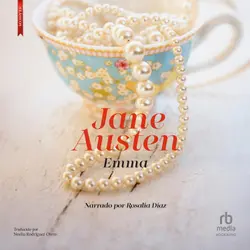
    Emma

    Jane Austen

  3. 50 Clásicos que debes leer antes de morir : Las Obras Inmortales de la Literatura Universal en un Solo Volumen

    Dante Alighieri, Aristóteles, Jane Austen, Charles Baudelaire, Giovanni Boccaccio, Anne Brontë, C. Collodi, James Fenimore Cooper, Fedor Mikhaïlovitch Dostoïevski, Arthur Conan Doyle, Alexandre Dumas, José de Espronceda, Gustave Flaubert, Sigmund Freud, Benito Pérez Galdós, Kahlil Gibran, Johann Wolfgang Goethe

  4. 4.0

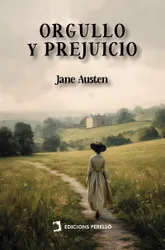
    Orgullo y prejuicio : Introducción de Hilary Mantel

    Jane Austen

  5. 3.8

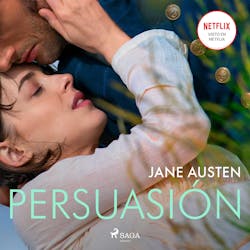
    Persuasión

    Jane Austen

  6. 50 Clásicos que Debes Leer Antes de Morir : Un viaje literario por los tesoros de la literatura universal

    Dante Alighieri, Aristóteles, Jane Austen, Charles Baudelaire, Giovanni Boccaccio, Anne Brontë, C. Collodi, James Fenimore Cooper, Fedor Mikhaïlovitch Dostoïevski, Arthur Conan Doyle, Alexandre Dumas, José de Espronceda, Gustave Flaubert, Sigmund Freud, Benito Pérez Galdós, Kahlil Gibran, Johann Wolfgang Goethe, Johann Wolfgang von Goethe, Victor Hugo, Thomas Hardy, Nathaniel Hawthorne, Vicente Blasco Ibáñez, Washington Irving, James Joyce, Mariano José de Larra, Jack London, Federico García Lorca, H.P. Lovecraft, Antonio Machado, Gustav Meyrink, John Stuart Mill, Amado Nervo, Friedrich Nietzsche, Solomon Northup, Alexander Sergeyevich Pushkin, Francisco de Quevedo, Walter Scott, William Shakespeare, Robert Louis Stevenson, Harriet Beecher Stowe, Jonathan Swift, Mark Twain, Miguel De Unamuno, Ramón María del Valle-Inclán, Julio Verne, Virginia Woolf

  7. 100 Clásicos de la Literatura

    Francis Scott Fitzgerald, Mary Shelley, Lyman Frank Baum, Louisa May Alcott, Dante Alighieri, Jane Austen, Ambrose Bierce, Emily Brontë, Edgar Rice Burroughs, Lewis Carroll, Wilkie Collins, René Descartes, Charles Dickens, Emily Dickinson, Alexandre Dumas, Gustave Flaubert, Benito Pérez Galdós, Johann Wolfgang von Goethe, Thomas Hardy, E T A Hoffmann, Washington Irving, Henry James, James Joyce, Franz Kafka, Gaston Leroux, Federico García Lorca, H.P. Lovecraft, Publio Virgilio Marón, Lucy Maud Montgomery, John William Polidori, Marco Polo, Antoine de Saint-Exupéry, Emilio Salgari, Walter Scott, Mark Twain, Jules Verne, H.G. Wells, Edith Wharton, Mary Wollstonecraft, Fernando de Rojas

  8. 4.5

    Orgullo y Prejuicio

    Jane Austen

  9. 4.4

    Orgullo y Prejuicio

    Jane Austen

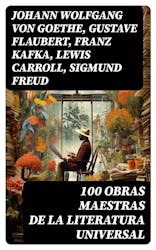
  10. 100 Obras Maestras de la Literatura Universal : Edición enriquecida. Viaje intertemporal por iconos mundiales y el diálogo cultural histórico

    Johann Wolfgang von Goethe, Gustave Flaubert, Franz Kafka, Lewis Carroll, Sigmund Freud, Henrik Ibsen, Charles Dickens, Honoré de Balzac, Mark Twain, Immanuel Kant, Friedrich Schiller, Harriet Beecher Stowe, Oscar Wilde, Robert Louis Stevenson, Edgar Allan Poe, William Shakespeare, Dante Alighieri, Giovanni Boccaccio, Bram Stoker, Charlotte Brontë, Emily Brontë, Jack London, Henry James, Louisa May Alcott, Victor Hugo, Arthur Conan Doyle, Joseph Conrad, Jane Austen, José Rizal, Edgar Rice Burroughs, Herman Melville, Jonathan Swift, Gustavo Adolfo Bécquer, Vicente Blasco Ibáñez, Benito Pérez Galdós, Jean-Jacques Rousseau, Daniel Defoe, Pedro Calderón de la Barca, Virginia Woolf, Washington Irving, Juan Valera, Horacio Quiroga, Nathaniel Hawthorne, Charles Baudelaire, Wilkie Collins, William Makepeace Thackeray, Voltaire, Apuleius, Leopoldo Alas, John Milton, José Martí, Lope de Vega, Emilio Salgari, Francisco de Quevedo, Rubén Darío, Antonio Machado, José Zorrilla, Tirso de Molina, Emilia Pardo Bazán, Fernando de Rojas, L. Frank Baum, H.G. Wells, J.M. Barrie, H. Rider Haggard, H.P. Lovecraft, Seneca, Hans Christian Andersen, Friedrich Nietzsche, Mary Shelley, Baltasar Gracián, Sófocles, Sun Tzu, Fiódor Dostoyevski, Antón Chéjov, León Tolstoi, Tomás Moro, San Agustín, Nikolái Gógol, Julio Verne, Homero, Platón, Alejandro Dumas, Aristóteles, Hermanos Grimm, Jorge Isaacs, Ignacio De Loyola, Nicolás Maquiavelo, Miguel Cervantes, Teresa de Jesús, Alejandro Dumas hijo, Mijaíl Bakunin, Miguel De Unamuno, Duque de Rivas, Ramón María del Valle-Inclán, Federico García Lorca, Gibrán Jalil Gibrán

  11. 4.5

    Orgullo y prejuicio

    Jane Austen

  12. 4.5

    Orgullo Y Prejuicio

    Jane Austen


Categorías relacionadas