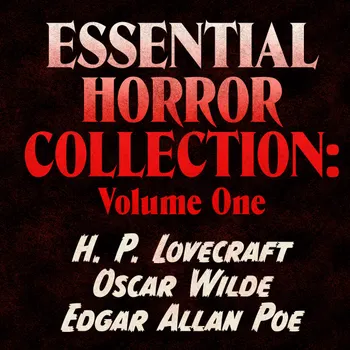
Essential Horror Classics: Volume One : The Call of Cthulhu, The Picture of Dorian Gray, & The Fall of the House of Usher

Step into the shadows with three of the most influential works ever written in the horror genre. Essential Horror Classics: Volume One brings together tales of creeping dread, supernatural decay, and psychological terror that continue to haunt readers more than a century after their publication.

The titles included here are:

The Call of Cthulhu, by H. P. Lovecraft

A mysterious investigation uncovers fragments of an ancient truth: humanity is not alone, and the forces lurking beyond our understanding are vast, indifferent, and terrifying. Lovecraft's landmark story introduced the cosmic horror that would inspire generations of writers and filmmakers.

The Picture of Dorian Gray, by Oscar Wilde

Young, beautiful, and determined to remain so forever, Dorian Gray makes a fateful bargain that allows him to escape the consequences of age and vice. Wilde's only novel is a chilling exploration of vanity, corruption, and the darkness hidden beneath a perfect surface.

The Fall of the House of Usher, by Edgar Allan Poe

Summoned to the crumbling Usher estate, a visitor finds his childhood friend trapped within a world of fear, madness, and impending doom. Poe's gothic masterpiece remains one of the most atmospheric and unsettling stories ever written.

Together, these enduring classics showcase horror in its many forms—from the cosmic and uncanny to the psychological and gothic—offering an unforgettable journey into the darker corners of the human imagination.

H. P. Lovecraft (1890–1937) was an American writer whose tales of cosmic horror transformed the genre. His imaginative mythology and vision of an indifferent universe continue to influence literature, film, and popular culture.

Oscar Wilde (1854–1900) was an Irish playwright, novelist, and poet celebrated for his wit, style, and sharp social commentary. The Picture of Dorian Gray remains his most famous and enduring work.

Edgar Allan Poe (1809–1849) was an American writer, poet, and literary critic widely regarded as a pioneer of modern horror and detective fiction. His haunting stories and poems have left a lasting mark on world literature.
Sobre este libro

Step into the shadows with three of the most influential works ever written in the horror genre. Essential Horror Classics: Volume One brings together tales of creeping dread, supernatural decay, and psychological terror that continue to haunt readers more than a century after their publication.

The titles included here are:

The Call of Cthulhu, by H. P. Lovecraft

A mysterious investigation uncovers fragments of an ancient truth: humanity is not alone, and the forces lurking beyond our understanding are vast, indifferent, and terrifying. Lovecraft's landmark story introduced the cosmic horror that would inspire generations of writers and filmmakers.

The Picture of Dorian Gray, by Oscar Wilde

Young, beautiful, and determined to remain so forever, Dorian Gray makes a fateful bargain that allows him to escape the consequences of age and vice. Wilde's only novel is a chilling exploration of vanity, corruption, and the darkness hidden beneath a perfect surface.

The Fall of the House of Usher, by Edgar Allan Poe

Summoned to the crumbling Usher estate, a visitor finds his childhood friend trapped within a world of fear, madness, and impending doom. Poe's gothic masterpiece remains one of the most atmospheric and unsettling stories ever written.

Together, these enduring classics showcase horror in its many forms—from the cosmic and uncanny to the psychological and gothic—offering an unforgettable journey into the darker corners of the human imagination.

H. P. Lovecraft (1890–1937) was an American writer whose tales of cosmic horror transformed the genre. His imaginative mythology and vision of an indifferent universe continue to influence literature, film, and popular culture.

Oscar Wilde (1854–1900) was an Irish playwright, novelist, and poet celebrated for his wit, style, and sharp social commentary. The Picture of Dorian Gray remains his most famous and enduring work.

Edgar Allan Poe (1809–1849) was an American writer, poet, and literary critic widely regarded as a pioneer of modern horror and detective fiction. His haunting stories and poems have left a lasting mark on world literature.


  1. 4.3

    La llamada de Cthulhu

    H.P. Lovecraft

  2. 100 Obras Maestras de la Literatura Universal : Edición enriquecida. Explorando la diversidad literaria a lo largo de los siglos

    Johann Wolfgang von Goethe, Gustave Flaubert, Franz Kafka, Lewis Carroll, Sigmund Freud, Henrik Ibsen, Charles Dickens, Honoré de Balzac, Mark Twain, Immanuel Kant, Friedrich Schiller, Harriet Beecher Stowe, Oscar Wilde, Robert Louis Stevenson, Edgar Allan Poe, William Shakespeare, Dante Alighieri, Giovanni Boccaccio, Bram Stoker, Charlotte Brontë, Emily Brontë, Jack London, Henry James, Louisa May Alcott, Victor Hugo, Arthur Conan Doyle, Joseph Conrad, Jane Austen, José Rizal, Edgar Rice Burroughs, Herman Melville, Jonathan Swift, Gustavo Adolfo Bécquer, Vicente Blasco Ibáñez, Benito Pérez Galdós, Jean-Jacques Rousseau, Daniel Defoe, Pedro Calderón de la Barca, Virginia Woolf, Washington Irving, Juan Valera, Horacio Quiroga, Nathaniel Hawthorne, Charles Baudelaire, Wilkie Collins, William Makepeace Thackeray, Voltaire, Apuleius, Leopoldo Alas, John Milton, José Martí, Lope de Vega, Emilio Salgari, Francisco de Quevedo, Rubén Darío, Antonio Machado, José Zorrilla, Tirso de Molina, Emilia Pardo Bazán, Fernando de Rojas, L. Frank Baum, H.G. Wells, J.M. Barrie, H. Rider Haggard, H.P. Lovecraft, Seneca, Hans Christian Andersen, Friedrich Nietzsche, Mary Shelley, Baltasar Gracián, Sófocles, Sun Tzu, Fiódor Dostoyevski, Antón Chéjov, León Tolstoi, Tomás Moro, San Agustín, Nikolái Gógol, Julio Verne, Homero, Platón, Alejandro Dumas, Aristóteles, Hermanos Grimm, Jorge Isaacs, Ignacio De Loyola, Nicolás Maquiavelo, Miguel Cervantes, Teresa de Jesús, Alejandro Dumas hijo, Mijaíl Bakunin, Miguel De Unamuno, Duque de Rivas, Ramón María del Valle-Inclán, Federico García Lorca, Gibrán Jalil Gibrán

  3. 4.5

    Cuentos de Lovecraft

    H.P. Lovecraft

  4. 101 Libros Imprescindibles Para Leer En Tu Vida

    Sun Tzu, Teresa de Jesús, Mark Twain, Julio Verne, Friedrich Nietzsche, Lewis Carroll, L. Frank Baum, Franz Kafka, Voltaire, Victor Hugo, Ignacio De Loyola, Nicolás Maquiavelo, Homero, Benito Pérez Galdós, Platón, León Tolstoi, Antón Chéjov, Arthur Conan Doyle, Jane Austen, Emily Brontë, Robert Louis Stevenson, Oscar Wilde, Mary Shelley, Bram Stoker, H.G. Wells, Edgar Allan Poe, H.P. Lovecraft, Washington Irving, Harriet Beecher Stowe, Herman Melville, Jack London, Seneca, San Agustín, Dante Alighieri, Giovanni Boccaccio, Miguel Cervantes, Hans Christian Andersen, Hermanos Grimm, William Shakespeare, John Milton, Tomás Moro, Jean-Jacques Rousseau, Immanuel Kant, Federico García Lorca, Sófocles, Vicente Blasco Ibáñez, Juan Valera, Leopoldo Alas, Miguel De Unamuno, Emilia Pardo Bazán, Duque de Rivas, José Martí, Antonio Machado, Ramón María del Valle-Inclán, Jorge Isaacs, Horacio Quiroga, Gustavo Adolfo Bécquer, Rubén Darío, Charles Baudelaire, Henrik Ibsen, Gibrán Jalil Gibrán

  5. 2.0

    50 Clásicos que Debes Leer Antes de Morir: Tu Pasaporte a los Tesoros de la Literatura Universal

    Dante Alighieri, Aristóteles, Jane Austen, Charles Baudelaire, Giovanni Boccaccio, Anne Brontë, C. Collodi, James Fenimore Cooper, Fedor Mikhaïlovitch Dostoïevski, Arthur Conan Doyle, Alexandre Dumas, José de Espronceda, Gustave Flaubert, Sigmund Freud, Benito Pérez Galdós, Kahlil Gibran, Johann Wolfgang Goethe, Johann Wolfgang von Goethe, Victor Hugo, Thomas Hardy, Nathaniel Hawthorne, Vicente Blasco Ibáñez, Washington Irving, James Joyce, Mariano José de Larra, Jack London, Federico García Lorca, H.P. Lovecraft, Antonio Machado, Gustav Meyrink, John Stuart Mill, Amado Nervo, Friedrich Nietzsche, Solomon Northup, Alexander Sergeyevich Pushkin, Francisco de Quevedo, Walter Scott, William Shakespeare, Robert Louis Stevenson, Harriet Beecher Stowe, Jonathan Swift, Mark Twain, Miguel De Unamuno, Ramón María del Valle-Inclán, Julio Verne, Virginia Woolf

  6. 100 Obras Maestras Que Debes Leer Antes De Morir

    Francis Scott Fitzgerald, Mary Shelley, Lyman Frank Baum, Edith Nesbit, Dante Alighieri, Jane Austen, Ambrose Bierce, Emily Brontë, Edgar Rice Burroughs, Lewis Carroll, Wilkie Collins, René Descartes, Charles Dickens, Emily Dickinson, Alexandre Dumas, Gustave Flaubert, Benito Pérez Galdós, Johann Wolfgang von Goethe, Thomas Hardy, E T A Hoffmann, Washington Irving, Henry James, James Joyce, Franz Kafka, Gaston Leroux, Federico García Lorca, H.P. Lovecraft, Publio Virgilio Marón, Lucy Maud Montgomery, John William Polidori, Marco Polo, Antoine de Saint-Exupéry, Emilio Salgari, Walter Scott, Mark Twain, Jules Verne, H.G. Wells, Edith Wharton, Mary Wollstonecraft, Fernando de Rojas

  7. 4.3
    #6

    El horror de Dunwich

    H.P. Lovecraft

  8. 101 Libros Imprescindibles Para Leer En Tu Vida : Edición enriquecida. Explorando la vastedad literaria a través de 101 obras imprescindibles

    Franz Kafka, Lewis Carroll, Henrik Ibsen, Mark Twain, Immanuel Kant, Harriet Beecher Stowe, Oscar Wilde, Robert Louis Stevenson, Edgar Allan Poe, William Shakespeare, Dante Alighieri, Giovanni Boccaccio, Bram Stoker, Emily Brontë, Jack London, Victor Hugo, Arthur Conan Doyle, Jane Austen, Herman Melville, Gustavo Adolfo Bécquer, Vicente Blasco Ibáñez, Benito Pérez Galdós, Jean-Jacques Rousseau, Washington Irving, Juan Valera, Horacio Quiroga, Charles Baudelaire, Voltaire, Leopoldo Alas, John Milton, José Martí, Rubén Darío, Antonio Machado, Emilia Pardo Bazán, L. Frank Baum, H.G. Wells, H.P. Lovecraft, Seneca, Hans Christian Andersen, Friedrich Nietzsche, Mary Shelley, Sófocles, Sun Tzu, Antón Chéjov, León Tolstoi, Tomás Moro, San Agustín, Julio Verne, Homero, Platón, Hermanos Grimm, Jorge Isaacs, Ignacio De Loyola, Nicolás Maquiavelo, Miguel Cervantes, Teresa de Jesús, Miguel De Unamuno, Duque de Rivas, Ramón María del Valle-Inclán, Federico García Lorca, Gibrán Jalil Gibrán

  9. 3.9

    En las montañas de la locura

    H.P. Lovecraft

  10. 100 Obras Maestras de la Literatura Universal

    Homero, Sófocles, Platón, Aristóteles, Apuleius, Seneca, San Agustín, Sun Tzu, Teresa de Jesús, Ignacio De Loyola, Nicolás Maquiavelo, Dante Alighieri, Giovanni Boccaccio, Miguel Cervantes, Hans Christian Andersen, Hermanos Grimm, William Shakespeare, John Milton, Tomás Moro, Jean-Jacques Rousseau, Immanuel Kant, Jonathan Swift, Daniel Defoe, Charles Dickens, William Makepeace Thackeray, Jane Austen, Charlotte Brontë, Emily Brontë, Robert Louis Stevenson, Oscar Wilde, Mary Shelley, Bram Stoker, Henry James, Arthur Conan Doyle, Wilkie Collins, Joseph Conrad, H. Rider Haggard, Edgar Rice Burroughs, H.G. Wells, Edgar Allan Poe, H.P. Lovecraft, Washington Irving, Harriet Beecher Stowe, Mark Twain, Herman Melville, Jack London, Nathaniel Hawthorne, Louisa May Alcott, J.M. Barrie, Lewis Carroll, L. Frank Baum, Voltaire, Victor Hugo, Honoré de Balzac, Gustave Flaubert, Alejandro Dumas, Alejandro Dumas hijo, Julio Verne, Emilio Salgari, Johann Wolfgang von Goethe, Friedrich Schiller, Friedrich Nietzsche, Franz Kafka, Sigmund Freud, Nikolái Gógol, Fiódor Dostoyevski, León Tolstoi, Antón Chéjov, Mijaíl Bakunin, Virginia Woolf, Fernando de Rojas, Lope de Vega, Tirso de Molina, Francisco de Quevedo, Pedro Calderón de la Barca, Baltasar Gracián, José Zorrilla, Vicente Blasco Ibáñez, Juan Valera, Leopoldo Alas, Benito Pérez Galdós, Miguel De Unamuno, Emilia Pardo Bazán, Duque de Rivas, José Martí, Antonio Machado, Ramón María del Valle-Inclán, Jorge Isaacs, Horacio Quiroga, Federico García Lorca, Gustavo Adolfo Bécquer, Rubén Darío, Charles Baudelaire, Henrik Ibsen, Gibrán Jalil Gibrán, José Rizal

  11. 100 Obras Maestras de la Literatura Universal : Edición enriquecida. Viaje intertemporal por iconos mundiales y el diálogo cultural histórico

    Johann Wolfgang von Goethe, Gustave Flaubert, Franz Kafka, Lewis Carroll, Sigmund Freud, Henrik Ibsen, Charles Dickens, Honoré de Balzac, Mark Twain, Immanuel Kant, Friedrich Schiller, Harriet Beecher Stowe, Oscar Wilde, Robert Louis Stevenson, Edgar Allan Poe, William Shakespeare, Dante Alighieri, Giovanni Boccaccio, Bram Stoker, Charlotte Brontë, Emily Brontë, Jack London, Henry James, Louisa May Alcott, Victor Hugo, Arthur Conan Doyle, Joseph Conrad, Jane Austen, José Rizal, Edgar Rice Burroughs, Herman Melville, Jonathan Swift, Gustavo Adolfo Bécquer, Vicente Blasco Ibáñez, Benito Pérez Galdós, Jean-Jacques Rousseau, Daniel Defoe, Pedro Calderón de la Barca, Virginia Woolf, Washington Irving, Juan Valera, Horacio Quiroga, Nathaniel Hawthorne, Charles Baudelaire, Wilkie Collins, William Makepeace Thackeray, Voltaire, Apuleius, Leopoldo Alas, John Milton, José Martí, Lope de Vega, Emilio Salgari, Francisco de Quevedo, Rubén Darío, Antonio Machado, José Zorrilla, Tirso de Molina, Emilia Pardo Bazán, Fernando de Rojas, L. Frank Baum, H.G. Wells, J.M. Barrie, H. Rider Haggard, H.P. Lovecraft, Seneca, Hans Christian Andersen, Friedrich Nietzsche, Mary Shelley, Baltasar Gracián, Sófocles, Sun Tzu, Fiódor Dostoyevski, Antón Chéjov, León Tolstoi, Tomás Moro, San Agustín, Nikolái Gógol, Julio Verne, Homero, Platón, Alejandro Dumas, Aristóteles, Hermanos Grimm, Jorge Isaacs, Ignacio De Loyola, Nicolás Maquiavelo, Miguel Cervantes, Teresa de Jesús, Alejandro Dumas hijo, Mijaíl Bakunin, Miguel De Unamuno, Duque de Rivas, Ramón María del Valle-Inclán, Federico García Lorca, Gibrán Jalil Gibrán

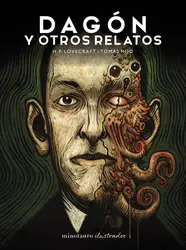
  12. Dagón y otros relatos

    Tomás Hijo, H.P. Lovecraft


Categorías relacionadas