Milton's Paradise Lost Gets a Modern Gaming Twist!
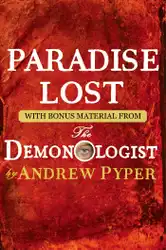
Welcome to Paradise Lost: Books I, II, IX and Student Guide (As Told by Satan)-a complete, immersive retelling of John Milton's epic, voiced by the devil you can't help but admire.
This innovative pairing of the17th-century masterpiece with a modern gaming icon, makes Milton's work thrilling and accessible.
Narrated by Andrew Wincott, BAFTA award-winner and fan favorite for his portrayal of one of fantasy gaming's most seductive infernal dealmakers, this edition is followed by a student guide delivered in Satan's own voice, making this the perfect guide for students, educators, literature lovers, and curious mortals alike.
Forget dusty textbooks. This is Paradise Lost like you've never heard it before.
The epic of Heaven and Hell. Explained by its most infamous resident.
Milton's Paradise Lost Gets a Modern Gaming Twist!
Welcome to Paradise Lost: Books I, II, IX and Student Guide (As Told by Satan)-a complete, immersive retelling of John Milton's epic, voiced by the devil you can't help but admire.
This innovative pairing of the17th-century masterpiece with a modern gaming icon, makes Milton's work thrilling and accessible.
Narrated by Andrew Wincott, BAFTA award-winner and fan favorite for his portrayal of one of fantasy gaming's most seductive infernal dealmakers, this edition is followed by a student guide delivered in Satan's own voice, making this the perfect guide for students, educators, literature lovers, and curious mortals alike.
Forget dusty textbooks. This is Paradise Lost like you've never heard it before.
The epic of Heaven and Hell. Explained by its most infamous resident.
Empieza este libro hoy por 0 €
Disfruta de acceso completo a todos los libros de la app durante el periodo de prueba
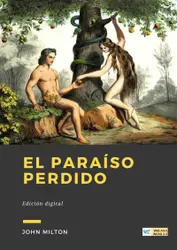
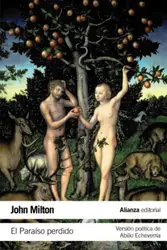
John Milton (Londres, 1608 – 1674) está considerado uno de los mejores poetas en lengua inglesa. Además de poeta, fue un gran ensayista y propagandista político. Durante los años de la Commonwealth, ejerció de ministro de lenguas extranjeras, aunque cesó su actividad con la restauración de la monarquía Estuardo en 1660. Las circunstancias trágicas de su vida –un matrimonio infeliz, la muerte prematura de su segunda mujer y su ceguera en 1652- se hacen patentes en el tono desesperanzado de sus obras. El poema épico El Paraíso perdido (1667), sobre la caída del hombre en el pecado, es su obra maestra.