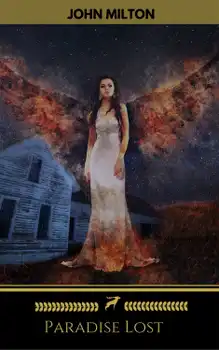
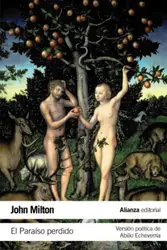
Paradise Lost is an epic poem in blank verse by the 17th-century English poet John Milton. It was originally published in 1667 in ten books; a second edition followed in 1674, redivided into twelve books (in the manner of the division of Virgil's Aeneid) with minor revisions throughout and a note on the versification. The poem concerns the Judeo-Christian story of the Fall of Man; the temptation of Adam and Eve by the fallen angel Satan and their expulsion from the Garden of Eden. Milton's purpose, stated in Book I, is "justify the ways of God to men" and elucidate the conflict between God's eternal foresight and free will.
Paradise Lost is an epic poem in blank verse by the 17th-century English poet John Milton. It was originally published in 1667 in ten books; a second edition followed in 1674, redivided into twelve books (in the manner of the division of Virgil's Aeneid) with minor revisions throughout and a note on the versification. The poem concerns the Judeo-Christian story of the Fall of Man; the temptation of Adam and Eve by the fallen angel Satan and their expulsion from the Garden of Eden. Milton's purpose, stated in Book I, is "justify the ways of God to men" and elucidate the conflict between God's eternal foresight and free will.
Empieza este libro hoy por 0 €
Disfruta de acceso completo a todos los libros de la app durante el periodo de prueba
John Milton (Londres, 1608 – 1674) está considerado uno de los mejores poetas en lengua inglesa. Además de poeta, fue un gran ensayista y propagandista político. Durante los años de la Commonwealth, ejerció de ministro de lenguas extranjeras, aunque cesó su actividad con la restauración de la monarquía Estuardo en 1660. Las circunstancias trágicas de su vida –un matrimonio infeliz, la muerte prematura de su segunda mujer y su ceguera en 1652- se hacen patentes en el tono desesperanzado de sus obras. El poema épico El Paraíso perdido (1667), sobre la caída del hombre en el pecado, es su obra maestra.