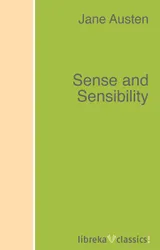
Sense and Sensibility

Jane Austen's Sense and Sensibility is a timeless story of romance, family loyalty, social pressure, and the difficult education of the heart.

After the death of their father, the Dashwood sisters and their mother are left in reduced circumstances, dependent on the goodwill of relatives and forced to leave the home they have always known. Elinor Dashwood, thoughtful, restrained, and practical, tries to protect her family with calm judgment and quiet strength. Her younger sister Marianne is passionate, impulsive, and devoted to the ideals of deep feeling, poetry, and romantic sincerity.

As the sisters enter a new social world, both encounter love, uncertainty, and disappointment. Elinor must conceal her private suffering while facing the complications of duty, secrecy, and social convention. Marianne, swept away by the charm of a captivating suitor, learns that intense emotion can bring both beauty and danger. Around them, Austen presents a sharply observed society in which money, inheritance, reputation, and marriage shape the choices available to women.

With her signature irony and precision, Austen contrasts emotional openness with self-command, youthful idealism with experience, and appearance with true character. The novel is both a moving family story and a brilliant comedy of manners, filled with memorable figures, delicate social observation, and enduring moral insight.

As Austen's first published novel, Sense and Sensibility introduced many of the themes that would define her work: love tested by circumstance, women negotiating limited independence, the pressures of rank and wealth, and the search for happiness within a world governed by manners and expectations. It remains essential reading for fans of classic literature, Regency fiction, literary romance, and English social novels.


Sobre este libro

Jane Austen's Sense and Sensibility is a timeless story of romance, family loyalty, social pressure, and the difficult education of the heart.

After the death of their father, the Dashwood sisters and their mother are left in reduced circumstances, dependent on the goodwill of relatives and forced to leave the home they have always known. Elinor Dashwood, thoughtful, restrained, and practical, tries to protect her family with calm judgment and quiet strength. Her younger sister Marianne is passionate, impulsive, and devoted to the ideals of deep feeling, poetry, and romantic sincerity.

As the sisters enter a new social world, both encounter love, uncertainty, and disappointment. Elinor must conceal her private suffering while facing the complications of duty, secrecy, and social convention. Marianne, swept away by the charm of a captivating suitor, learns that intense emotion can bring both beauty and danger. Around them, Austen presents a sharply observed society in which money, inheritance, reputation, and marriage shape the choices available to women.

With her signature irony and precision, Austen contrasts emotional openness with self-command, youthful idealism with experience, and appearance with true character. The novel is both a moving family story and a brilliant comedy of manners, filled with memorable figures, delicate social observation, and enduring moral insight.

As Austen's first published novel, Sense and Sensibility introduced many of the themes that would define her work: love tested by circumstance, women negotiating limited independence, the pressures of rank and wealth, and the search for happiness within a world governed by manners and expectations. It remains essential reading for fans of classic literature, Regency fiction, literary romance, and English social novels.

Empieza este libro hoy por 0 €

  • Disfruta de acceso completo a todos los libros de la app durante el periodo de prueba
  • Sin compromiso, cancela cuando quieras
Pruébalo gratis ahora
Más de 52 000 clientes han dado a Nextory 5 estrellas en la App Store y Google Play.

  1. 101 Libros Imprescindibles Para Leer En Tu Vida

    Sun Tzu, Teresa de Jesús, Mark Twain, Julio Verne, Friedrich Nietzsche, Lewis Carroll, L. Frank Baum, Franz Kafka, Voltaire, Victor Hugo, Ignacio De Loyola, Nicolás Maquiavelo, Homero, Benito Pérez Galdós, Platón, León Tolstoi, Antón Chéjov, Arthur Conan Doyle, Jane Austen, Emily Brontë, Robert Louis Stevenson, Oscar Wilde, Mary Shelley, Bram Stoker, H.G. Wells, Edgar Allan Poe, H.P. Lovecraft, Washington Irving, Harriet Beecher Stowe, Herman Melville, Jack London, Seneca, San Agustín, Dante Alighieri, Giovanni Boccaccio, Miguel Cervantes, Hans Christian Andersen, Hermanos Grimm, William Shakespeare, John Milton, Tomás Moro, Jean-Jacques Rousseau, Immanuel Kant, Federico García Lorca, Sófocles, Vicente Blasco Ibáñez, Juan Valera, Leopoldo Alas, Miguel De Unamuno, Emilia Pardo Bazán, Duque de Rivas, José Martí, Antonio Machado, Ramón María Valle-Inclán, Jorge Isaacs, Horacio Quiroga, Gustavo Adolfo Bécquer, Rubén Darío, Charles Baudelaire, Henrik Ibsen, Gibrán Jalil Gibrán

  2. 4.7

    Emma

    Jane Austen

  3. 100 Obras Maestras de la Literatura Universal : Edición enriquecida. Explorando la diversidad literaria a lo largo de los siglos

    Johann Wolfgang Goethe, Gustave Flaubert, Franz Kafka, Lewis Carroll, Sigmund Freud, Henrik Ibsen, Charles Dickens, Honoré de Balzac, Mark Twain, Immanuel Kant, Friedrich Schiller, Harriet Beecher Stowe, Oscar Wilde, Robert Louis Stevenson, Edgar Allan Poe, William Shakespeare, Dante Alighieri, Giovanni Boccaccio, Bram Stoker, Charlotte Brontë, Emily Brontë, Jack London, Henry James, Louisa May Alcott, Victor Hugo, Arthur Conan Doyle, Joseph Conrad, Jane Austen, José Rizal, Edgar Rice Burroughs, Herman Melville, Jonathan Swift, Gustavo Adolfo Bécquer, Vicente Blasco Ibáñez, Benito Pérez Galdós, Jean-Jacques Rousseau, Daniel Defoe, Pedro Calderón Barca, Virginia Woolf, Washington Irving, Juan Valera, Horacio Quiroga, Nathaniel Hawthorne, Charles Baudelaire, Wilkie Collins, William Makepeace Thackeray, Voltaire, Apuleius, Leopoldo Alas, John Milton, José Martí, Lope de Vega, Emilio Salgari, Francisco de Quevedo, Rubén Darío, Antonio Machado, José Zorrilla, Tirso de Molina, Emilia Pardo Bazán, Fernando de Rojas, L. Frank Baum, H.G. Wells, J.M. Barrie, H. Rider Haggard, H.P. Lovecraft, Seneca, Hans Christian Andersen, Friedrich Nietzsche, Mary Shelley, Baltasar Gracián, Sófocles, Sun Tzu, Fiódor Dostoyevski, Antón Chéjov, León Tolstoi, Tomás Moro, San Agustín, Nikolái Gógol, Julio Verne, Homero, Platón, Alejandro Dumas, Aristóteles, Hermanos Grimm, Jorge Isaacs, Ignacio De Loyola, Nicolás Maquiavelo, Miguel Cervantes, Teresa de Jesús, Alejandro Dumas hijo, Mijaíl Bakunin, Miguel De Unamuno, Duque de Rivas, Ramón María Valle-Inclán, Federico García Lorca, Gibrán Jalil Gibrán

  4. 50 Clásicos que debes leer antes de morir : Las Obras Inmortales de la Literatura Universal en un Solo Volumen

    Dante Alighieri, Aristóteles, Jane Austen, Charles Baudelaire, Giovanni Boccaccio, Anne Brontë, C. Collodi, James Fenimore Cooper, Fedor Mikhaïlovitch Dostoïevski, Arthur Conan Doyle, Alexandre Dumas, José de Espronceda, Gustave Flaubert, Sigmund Freud, Benito Pérez Galdós, Kahlil Gibran, Johann Wolfgang Goethe

  5. 100 Clásicos de la Literatura Universal

    Francis Scott Fitzgerald, Mary Shelley, Lyman Frank Baum, Louisa May Alcott, Dante Alighieri, Jane Austen, Ambrose Bierce, Emily Brontë, Edgar Rice Burroughs, Lewis Carroll, Wilkie Collins, René Descartes, Charles Dickens, Emily Dickinson, Alexandre Dumas, Gustave Flaubert, Benito Pérez Galdós, Johann Wolfgang von Goethe, Thomas Hardy, E T A Hoffmann, Washington Irving, Henry James, James Joyce, Franz Kafka, Gaston Leroux, Federico García Lorca, H.P. Lovecraft, Publio Virgilio Marón, Lucy Maud Montgomery, John William Polidori, Marco Polo, Antoine de Saint-Exupéry, Emilio Salgari, Walter Scott, Mark Twain, Jules Verne, Julio Verne, H.G. Wells, Edith Wharton, Mary Wollstonecraft, Stefan Zweig, Sun Tzu, Bram Stoker, - Aristoteles, George Bernard Shaw, Henryk Sienkiewicz, Concepción Arenal, Charlotte Brontë, Miguel de Cervantes, G.K. Chesterton, Daniel Defoe, Fyodor Mikhailovich Dostoyevsky, Arthur Conan Doyle, Sigmund Freud, H. Rider Haggard, Homero, Immanuel Kant, Rudyard Kipling, Molière, Friedrich Nietzsche, Fernando de Rojas, Sófocles, William Makepeace Thackeray, León Tolstói, Voltaire, Ramón María del Valle-Inclán, Oscar Wilde, Virginia Woolf

  6. 3.5

    Lady Susan

    Jane Austen

  7. 4.5

    Pride and Prejudice

    Jane Austen

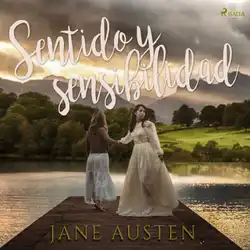
  8. Sentido y sensibilidad

    Jane Austen

  9. 4.5

    Orgullo y prejuicio

    Jane Austen

  10. 50 Clásicos que Debes Leer Antes de Morir : Un viaje literario por los tesoros de la literatura universal

    Dante Alighieri, Aristóteles, Jane Austen, Charles Baudelaire, Giovanni Boccaccio, Anne Brontë, C. Collodi, James Fenimore Cooper, Fedor Mikhaïlovitch Dostoïevski, Arthur Conan Doyle, Alexandre Dumas, José de Espronceda, Gustave Flaubert, Sigmund Freud, Benito Pérez Galdós, Kahlil Gibran, Johann Wolfgang Goethe, Johann Wolfgang von Goethe, Victor Hugo, Thomas Hardy, Nathaniel Hawthorne, Vicente Blasco Ibáñez, Washington Irving, James Joyce, Mariano José de Larra, Jack London, Federico García Lorca, H.P. Lovecraft, Antonio Machado, Gustav Meyrink, John Stuart Mill, Amado Nervo, Friedrich Nietzsche, Solomon Northup, Alexander Sergeyevich Pushkin, Francisco de Quevedo, Walter Scott, William Shakespeare, Robert Louis Stevenson, Harriet Beecher Stowe, Jonathan Swift, Mark Twain, Miguel De Unamuno, Ramón María del Valle-Inclán, Julio Verne, Virginia Woolf

  11. 3.8

    Orgullo y prejuicio (Pride and Prejudice)

    Jane Austen

  12. 4.0

    Sentido y sensibilidad

    Jane Austen


Categorías relacionadas