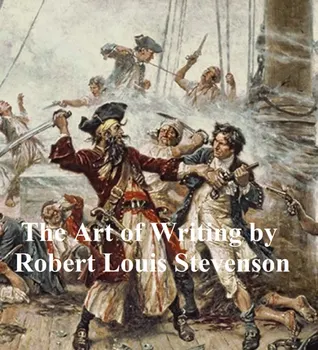
Long essay that begins: "There is nothing more disenchanting to man than to be shown the springs and mechanism of any art. All our arts and occupations lie wholly on the surface; it is on the surface that we perceive their beauty, fitness, and significance; and to pry below is to be appalled by their emptiness and shocked by the coarseness of the strings and pulleys. In a similar way, psychology itself, when pushed to any nicety, discovers an abhorrent baldness, but rather from the fault of our analysis than from any poverty native to the mind."
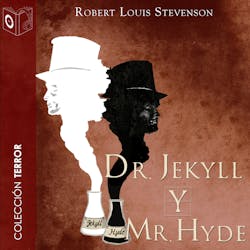
Robert Louis Stevenson (Edimburgo, Gran Bretaña, 1850 – Vailima, Samoa, 1894), hijo de un dominante constructor de faros, tuvo desde niño varias crisis pulmonares que le llevaron a una constante y nostálgica peregrinación en busca de climas más cálidos, hasta que en 1888 embarca hacia los mares del Sur y se establece en Samoa con su mujer, cumpliendo así el sueño de su corta vida. Sus estudios de náutica, que más tarde abandonaría por los de derecho, le permitieron entrar en contacto con las gentes y costumbres marineras, ingredientes fundamentales en algunas de sus obras más conocidas, como La isla del tesoro, La flecha negra o El extraño caso del Dr. Jekyll y Mr. Hyde.