The House of Mirth : Enriched edition. A Gilded Age Portrait of New York High Society, Wealth, and Women's Constraints

In 'The House of Mirth,' Edith Wharton masterfully unveils the intricate web of New York's elite society in the early 20th century, exploring themes of class, morality, and the constraints placed upon women. Wharton's lyrical prose and keen psychological insight bring to life the struggles of the protagonist, Lily Bart, a young woman teetering on the brink of financial ruin and social ostracism. The novel is rich with social commentary, depicting a world obsessed with wealth and status, while drawing upon Wharton's personal experiences within high society to highlight the often ruthless nature of social stratification. Edith Wharton, an iconic figure in American literature, often drew inspiration from her own background as a member of New York's elite. Her firsthand experiences of the pressures and expectations of high society inform her portrayal of Lily, imbuing the narrative with authenticity and depth. Wharton was the first woman to win the Pulitzer Prize, reflecting her significant contributions to literary discourse, particularly concerning the role of women within patriarchal frameworks. 'The House of Mirth' is an essential read for those interested in the intersection of gender, class, and society, as it offers both a critical examination of a bygone era and a timeless reflection on the human condition. Wharton's exploration of the tension between personal desire and societal expectation remains profoundly relevant, making this novel a must-read for anyone invested in the complexities of social mores.

In this enriched edition, we have carefully created added value for your reading experience:

- A succinct Introduction situates the work's timeless appeal and themes.

- The Synopsis outlines the central plot, highlighting key developments without spoiling critical twists.

- A detailed Historical Context immerses you in the era's events and influences that shaped the writing.

- An Author Biography reveals milestones in the author's life, illuminating the personal insights behind the text.

- A thorough Analysis dissects symbols, motifs, and character arcs to unearth underlying meanings.

- Reflection questions prompt you to engage personally with the work's messages, connecting them to modern life.

- Hand‐picked Memorable Quotes shine a spotlight on moments of literary brilliance.

- Interactive footnotes clarify unusual references, historical allusions, and archaic phrases for an effortless, more informed read.
Sobre este libro

In 'The House of Mirth,' Edith Wharton masterfully unveils the intricate web of New York's elite society in the early 20th century, exploring themes of class, morality, and the constraints placed upon women. Wharton's lyrical prose and keen psychological insight bring to life the struggles of the protagonist, Lily Bart, a young woman teetering on the brink of financial ruin and social ostracism. The novel is rich with social commentary, depicting a world obsessed with wealth and status, while drawing upon Wharton's personal experiences within high society to highlight the often ruthless nature of social stratification. Edith Wharton, an iconic figure in American literature, often drew inspiration from her own background as a member of New York's elite. Her firsthand experiences of the pressures and expectations of high society inform her portrayal of Lily, imbuing the narrative with authenticity and depth. Wharton was the first woman to win the Pulitzer Prize, reflecting her significant contributions to literary discourse, particularly concerning the role of women within patriarchal frameworks. 'The House of Mirth' is an essential read for those interested in the intersection of gender, class, and society, as it offers both a critical examination of a bygone era and a timeless reflection on the human condition. Wharton's exploration of the tension between personal desire and societal expectation remains profoundly relevant, making this novel a must-read for anyone invested in the complexities of social mores.

In this enriched edition, we have carefully created added value for your reading experience:

- A succinct Introduction situates the work's timeless appeal and themes.

- The Synopsis outlines the central plot, highlighting key developments without spoiling critical twists.

- A detailed Historical Context immerses you in the era's events and influences that shaped the writing.

- An Author Biography reveals milestones in the author's life, illuminating the personal insights behind the text.

- A thorough Analysis dissects symbols, motifs, and character arcs to unearth underlying meanings.

- Reflection questions prompt you to engage personally with the work's messages, connecting them to modern life.

- Hand‐picked Memorable Quotes shine a spotlight on moments of literary brilliance.

- Interactive footnotes clarify unusual references, historical allusions, and archaic phrases for an effortless, more informed read.
Empieza este libro hoy por 0 €

  • Disfruta de acceso completo a todos los libros de la app durante el periodo de prueba
  • Sin compromiso, cancela cuando quieras
Pruébalo gratis ahora
Más de 52 000 clientes han dado a Nextory 5 estrellas en la App Store y Google Play.

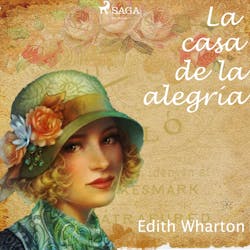
  1. 3.6

    La casa de la alegría

    Edith Wharton

  2. Nuevo

    100 Obras Maestras Que Debes Leer Antes De Morir

    Francis Scott Fitzgerald, Mary Shelley, Lyman Frank Baum, Edith Nesbit, Dante Alighieri, Jane Austen, Ambrose Bierce, Emily Brontë, Edgar Rice Burroughs, Lewis Carroll, Wilkie Collins, René Descartes, Charles Dickens, Emily Dickinson, Alexandre Dumas, Gustave Flaubert, Benito Pérez Galdós, Johann Wolfgang von Goethe, Thomas Hardy, E T A Hoffmann, Washington Irving, Henry James, James Joyce, Franz Kafka, Gaston Leroux, Federico García Lorca, H.P. Lovecraft, Publio Virgilio Marón, Lucy Maud Montgomery, John William Polidori, Marco Polo, Antoine de Saint-Exupéry, Emilio Salgari, Walter Scott, Mark Twain, Jules Verne, H.G. Wells, Edith Wharton, Mary Wollstonecraft, Fernando de Rojas

  3. 100 Clásicos de la Literatura

    Francis Scott Fitzgerald, Mary Shelley, Lyman Frank Baum, Louisa May Alcott, Dante Alighieri, Jane Austen, Ambrose Bierce, Emily Brontë, Edgar Rice Burroughs, Lewis Carroll, Wilkie Collins, René Descartes, Charles Dickens, Emily Dickinson, Alexandre Dumas, Gustave Flaubert, Benito Pérez Galdós, Johann Wolfgang von Goethe, Thomas Hardy, E T A Hoffmann, Washington Irving, Henry James, James Joyce, Franz Kafka, Gaston Leroux, Federico García Lorca, H.P. Lovecraft, Publio Virgilio Marón, Lucy Maud Montgomery, John William Polidori, Marco Polo, Antoine de Saint-Exupéry, Emilio Salgari, Walter Scott, Mark Twain, Jules Verne, H.G. Wells, Edith Wharton, Mary Wollstonecraft, Fernando de Rojas

  4. 1 jul

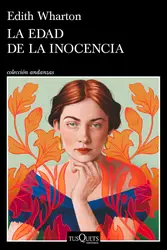
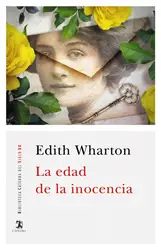
    La edad de la inocencia

    Edith Wharton

  5. Ella, fantasma : 14 relatos espectrales de escritoras del siglo XIX

    Virginia Woolf, Amelia Edwards, Elizabeth Gaskell, Margaret Oliphant, Eliza Lynn Linton, Edith Nesbit, Charlotte Brontë, May Sinclair, Edith Wharton, Gertrude Atherton, Charlotte Perkins Gilman, Madeline Yale Wynne, Elia Wilkinson Peattle, Louisa Baldwin

  6. The Essential Feminist Collection – 60 Powerful Classics in One Volume : Including 100+ Biographies & Memoirs of the Most Influential Women in History

    Henrik Ibsen, Charlotte Brontë, Marietta Holley, Henry James, Louisa May Alcott, John Stuart Mill, Zona Gale, Jane Austen, Thomas Hardy, Edith Wharton, Gene Stratton-Porter, Rebecca Harding Davis, Margaret Fuller, Elizabeth Cady Stanton, Elia Wilkinson Peattie, Virginia Woolf, Mary Wollstonecraft, Willa Cather, Nathaniel Hawthorne, Mary Johnston, Grant Allen, Theodore Dreiser, Kate Chopin, Sojourner Truth, Charlotte Perkins Gilman, Harriet Martineau, Fanny Burney, Mary Ware Dennett, Julia Ward Howe, Ada Cambridge, H.G. Wells, Sarah H. Bradford, D. H. Lawrence, Nikolai Leskov, Lucy Maud Montgomery, Leo Tolstoy, Margaret Deland, Elizabeth Gaskell, Margaret Oliphant, Margaret Mitchell, Elizabeth von Arnim, Elizabeth Burgoyne Corbett

  7. 100 Obras Maestras Que Debes Leer Antes De Morir

    Francis Scott Fitzgerald, Mary Shelley, Lyman Frank Baum, Edith Nesbit, Dante Alighieri, Jane Austen, Ambrose Bierce, Emily Brontë, Edgar Rice Burroughs, Lewis Carroll, Wilkie Collins, René Descartes, Charles Dickens, Emily Dickinson, Alexandre Dumas, Gustave Flaubert, Benito Pérez Galdós, Johann Wolfgang von Goethe, Thomas Hardy, E T A Hoffmann, Washington Irving, Henry James, James Joyce, Franz Kafka, Gaston Leroux, Federico García Lorca, H.P. Lovecraft, Publio Virgilio Marón, Lucy Maud Montgomery, John William Polidori, Marco Polo, Antoine de Saint-Exupéry, Emilio Salgari, Walter Scott, Mark Twain, Jules Verne, H.G. Wells, Edith Wharton, Mary Wollstonecraft, Fernando de Rojas

  8. 3.0

    La edad de la inocencia

    Edith Wharton

  9. 3.8

    Ethan Frome

    Edith Wharton

  10. 4.0

    La edad de la inocencia

    Edith Wharton

  11. 3.0

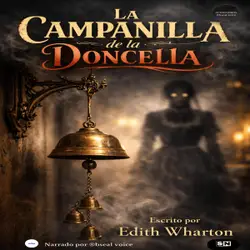
    La campanilla de la doncella

    Edith Wharton

  12. La edad de la inocencia

    Edith Wharton


Categorías relacionadas