"The Imp of the Perverse" is a short story by 19th-century American author and critic Edgar Allan Poe. Beginning as an essay, it discusses the narrator's self-destructive impulses, embodied as the symbolic metaphor of The Imp of the Perverse. The narrator describes this spirit as the agent that tempts a person to do things "merely because we feel we should not."
The narrator explains at length his theory on "The Imp of the Perverse", which he believes causes people to commit acts against their self-interest. This essay-like discussion is presented objectively, though the narrator admits that he is "one of the many uncounted victims of the Imp of the Perverse".[1] He then explains how his conviction for murder was the result of this.
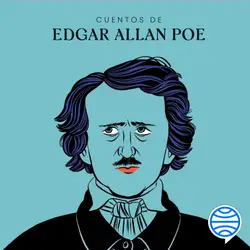
Edgar Allan Poe hijo de unos actores ambulantes de teatro, se quedó huérfano a los dos años. Fue criado por John Allan, un hombre de negocios rico, y educado en Inglaterra y Norteamérica. Su vida universitaria fue rebelde y libertina, en esta época es cuando el poeta empieza a beber, hasta que es expulsado de la Universidad de Virginia por jugador. En 1827 escribió su primer volumen de poesías, Tamerlán, en la que se denota una leve inclinación byroniana. En 1830 lo admitieron en la Academia Militar de West Point, de la que pronto fue expulsado. A partir de entonces se inicia su agitada carrera literaria.Vivía al día, como periodista con un sueldo mediocre, pero estas actividades lo llevaron a conseguir muchos trabajos en calidad de colaborador y posteriormente, llegar a la dirección de numerosos periódicos, entre ellos el Southern Literary Messenger, el cual se convirtió bajo su dirección en el más importante periódico del sur. Por todos estos empleos recibía un sueldo mísero, pero a cambio le daban la oportunidad de publicar sus relatos, lo que le proporcionó fama; sin embargo, la mayor parte del tiempo vivió el la más absoluta miseria, con algunos lapsos de relativa calma.