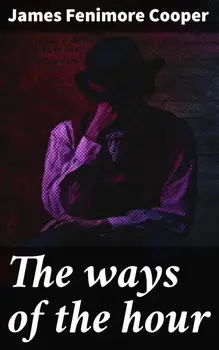
The ways of the hour

In "The Ways of the Hour," James Fenimore Cooper delves into the intricate interplay of morality and societal expectations amidst the backdrop of early 19th-century America. This novel showcases Cooper's distinctive literary style, characterized by rich descriptions, nuanced characterizations, and a keen eye for the social mores of his time. Through the lens of suspense and romance, Cooper engages with themes of honor, justice, and the complexities of human emotion, offering readers a compelling exploration of individual desires versus societal pressures. As a product of the antebellum period, the novel reflects the ideological tensions present in a rapidly changing nation, making it both a captivating narrative and a valuable historical artifact. James Fenimore Cooper, regarded as one of America's first novelists, crafted "The Ways of the Hour" during a time when questions of identity and moral imperative were at the forefront of American consciousness. His personal experiences, including his upbringing in a frontier environment and his profound observations of American society, undoubtedly informed his portrayal of characters wrestling with ethical dilemmas. The novel exemplifies Cooper's engagement with contemporary debates and his ability to weave philosophical inquiries into fictional storytelling, reflecting both personal and collective societal struggles. For readers interested in American literature and the exploration of moral themes, "The Ways of the Hour" is an essential read. Cooper invites us to consider the complexities of human agency, making this novel not only a story of personal conflict but also a commentary on the social fabric of early America. Its relevance resonates with contemporary discussions about morality and identity, ensuring its place as a significant work within the American literary canon.
Sobre este libro

In "The Ways of the Hour," James Fenimore Cooper delves into the intricate interplay of morality and societal expectations amidst the backdrop of early 19th-century America. This novel showcases Cooper's distinctive literary style, characterized by rich descriptions, nuanced characterizations, and a keen eye for the social mores of his time. Through the lens of suspense and romance, Cooper engages with themes of honor, justice, and the complexities of human emotion, offering readers a compelling exploration of individual desires versus societal pressures. As a product of the antebellum period, the novel reflects the ideological tensions present in a rapidly changing nation, making it both a captivating narrative and a valuable historical artifact. James Fenimore Cooper, regarded as one of America's first novelists, crafted "The Ways of the Hour" during a time when questions of identity and moral imperative were at the forefront of American consciousness. His personal experiences, including his upbringing in a frontier environment and his profound observations of American society, undoubtedly informed his portrayal of characters wrestling with ethical dilemmas. The novel exemplifies Cooper's engagement with contemporary debates and his ability to weave philosophical inquiries into fictional storytelling, reflecting both personal and collective societal struggles. For readers interested in American literature and the exploration of moral themes, "The Ways of the Hour" is an essential read. Cooper invites us to consider the complexities of human agency, making this novel not only a story of personal conflict but also a commentary on the social fabric of early America. Its relevance resonates with contemporary discussions about morality and identity, ensuring its place as a significant work within the American literary canon.

Empieza este libro hoy por 0 €

  • Disfruta de acceso completo a todos los libros de la app durante el periodo de prueba
  • Sin compromiso, cancela cuando quieras
Pruébalo gratis ahora
Más de 52 000 clientes han dado a Nextory 5 estrellas en la App Store y Google Play.

  1. 50 Clásicos que Debes Leer Antes de Morir : Un viaje literario por los tesoros de la literatura universal

    Dante Alighieri, Aristóteles, Jane Austen, Charles Baudelaire, Giovanni Boccaccio, Anne Brontë, C. Collodi, James Fenimore Cooper, Fedor Mikhaïlovitch Dostoïevski, Arthur Conan Doyle, Alexandre Dumas, José de Espronceda, Gustave Flaubert, Sigmund Freud, Benito Pérez Galdós, Kahlil Gibran, Johann Wolfgang Goethe, Johann Wolfgang von Goethe, Victor Hugo, Thomas Hardy, Nathaniel Hawthorne, Vicente Blasco Ibáñez, Washington Irving, James Joyce, Mariano José de Larra, Jack London, Federico García Lorca, H.P. Lovecraft, Antonio Machado, Gustav Meyrink, John Stuart Mill, Amado Nervo, Friedrich Nietzsche, Solomon Northup, Alexander Sergeyevich Pushkin, Francisco de Quevedo, Walter Scott, William Shakespeare, Robert Louis Stevenson, Harriet Beecher Stowe, Jonathan Swift, Mark Twain, Miguel De Unamuno, Ramón María del Valle-Inclán, Julio Verne, Virginia Woolf

  2. 50 Clásicos que debes leer antes de morir : Las Obras Inmortales de la Literatura Universal en un Solo Volumen

    Dante Alighieri, Aristóteles, Jane Austen, Charles Baudelaire, Giovanni Boccaccio, Anne Brontë, C. Collodi, James Fenimore Cooper, Fedor Mikhaïlovitch Dostoïevski, Arthur Conan Doyle, Alexandre Dumas, José de Espronceda, Gustave Flaubert, Sigmund Freud, Benito Pérez Galdós, Kahlil Gibran, Johann Wolfgang Goethe

  3. El Corsario Rojo : Romanticismo y honor en una odisea de piratas del siglo XIX

    James Fenimore Cooper

  4. 2.0

    50 Clásicos que Debes Leer Antes de Morir: Tu Pasaporte a los Tesoros de la Literatura Universal

    Dante Alighieri, Aristóteles, Jane Austen, Charles Baudelaire, Giovanni Boccaccio, Anne Brontë, C. Collodi, James Fenimore Cooper, Fedor Mikhaïlovitch Dostoïevski, Arthur Conan Doyle, Alexandre Dumas, José de Espronceda, Gustave Flaubert, Sigmund Freud, Benito Pérez Galdós, Kahlil Gibran, Johann Wolfgang Goethe, Johann Wolfgang von Goethe, Victor Hugo, Thomas Hardy, Nathaniel Hawthorne, Vicente Blasco Ibáñez, Washington Irving, James Joyce, Mariano José de Larra, Jack London, Federico García Lorca, H.P. Lovecraft, Antonio Machado, Gustav Meyrink, John Stuart Mill, Amado Nervo, Friedrich Nietzsche, Solomon Northup, Alexander Sergeyevich Pushkin, Francisco de Quevedo, Walter Scott, William Shakespeare, Robert Louis Stevenson, Harriet Beecher Stowe, Jonathan Swift, Mark Twain, Miguel De Unamuno, Ramón María del Valle-Inclán, Julio Verne, Virginia Woolf

  5. Nuevo

    50 Clásicos que Debes Leer Antes de Morir : Un viaje literario por los tesoros de la literatura universal

    Dante Alighieri, Aristóteles, Jane Austen, Charles Baudelaire, Giovanni Boccaccio, Anne Brontë, C. Collodi, James Fenimore Cooper, Fedor Mikhaïlovitch Dostoïevski, Arthur Conan Doyle, Alexandre Dumas, José de Espronceda, Gustave Flaubert, Sigmund Freud, Benito Pérez Galdós, Kahlil Gibran, Johann Wolfgang Goethe, Victor Hugo, Thomas Hardy, Nathaniel Hawthorne, Vicente Blasco Ibáñez, Washington Irving, James Joyce, Mariano José Larra, Jack London, Federico García Lorca, H.P. Lovecraft, Antonio Machado, Gustav Meyrink, John Stuart Mill, Amado Nervo, Friedrich Nietzsche, Solomon Northup, Alexander Sergeyevich Pushkin, Francisco de Quevedo, Walter Scott, William Shakespeare, Robert Louis Stevenson, Harriet Beecher Stowe, Jonathan Swift, Mark Twain, Miguel De Unamuno, Ramón María Valle-Inclán, Julio Verne, Virginia Woolf

  6. Le Corsaire rouge : Le duel acharné entre un officier du Roi et le plus redoutable des hors-la-loi

    James Fenimore Cooper

  7. 50 Clásicos que debes leer antes de morir

    Dante Alighieri, Aristóteles, Jane Austen, Charles Baudelaire, Giovanni Boccaccio, Anne Brontë, C. Collodi, James Fenimore Cooper, Fedor Mikhaïlovitch Dostoïevski, Arthur Conan Doyle, Alexandre Dumas, José de Espronceda, Gustave Flaubert, Sigmund Freud, Benito Pérez Galdós, Kahlil Gibran, Johann Wolfgang Goethe, Johann Wolfgang von Goethe, Victor Hugo, Thomas Hardy, Nathaniel Hawthorne, Vicente Blasco Ibáñez, Washington Irving, James Joyce, Mariano José de Larra, Jack London, Federico García Lorca, H.P. Lovecraft, Antonio Machado, Gustav Meyrink, John Stuart Mill, Amado Nervo, Friedrich Nietzsche, Solomon Northup, Alexander Sergeyevich Pushkin, Francisco de Quevedo, Walter Scott, William Shakespeare, Robert Louis Stevenson, Harriet Beecher Stowe, Jonathan Swift, Mark Twain, Miguel De Unamuno, Ramón María del Valle-Inclán, Julio Verne, Virginia Woolf

  8. Le Dernier des Mohicans - Livre Audio

    James Fenimore Cooper, Livres audio en français

  9. Aventuras Marinas : La isla del tesoro, Capitanes Valientes, Moby Dick, El Capitán Sangre, Sandokán, El Pirata, La laguna azul, Veinte mil leguas de viaje submarino, Magallanes...

    Jack London, Rafael Sabatini, Victor Hugo, Robert Louis Stevenson, Henry De Stacpoole, Daniel Defoe, Julio Verne, Herman Melville, Joseph Conrad, Alexandre Dumas, Emilio Salgari, Walter Scott, Frederick Marryat, James Fenimore Cooper, R.M Ballantyne, Randall Parrish, James Norman Hall, H.G. Wells, Stefan Zweig, Jonathan Swift

  10. Aventuras bajo la Bandera Negra - Las mejores novelas piratas : Sandokán, La isla del tesoro, El Corsario Negro, La Reina de los Caribes, El Pirata, Barbanegra, Piezas de ocho, Lobos de mar...

    Emilio Salgari, Walter Scott, Julio Verne, Robert Louis Stevenson, Rafael Sabatini, Frederick Marryat, James Fenimore Cooper, Daniel Defoe, Randall Parrish, Jack London, J.M. Barrie, Arthur Conan Doyle, Richard Le Gallienne, Harry Collingwood

  11. Satanstoe : Novela de aventuras

    James Fenimore Cooper

  12. La Gran Aventura del Verano – 20 Aventuras de Piratas, Tesoros Ocultos y Islas Misteriosas : La isla del tesoro, La laguna azul, El Capitán Sangre, Sandokán, Moby Dick, El Pirata, Lobos de mar, Veinte mil leguas de viaje submarino...

    Robert Louis Stevenson, Julio Verne, Herman Melville, Henry De Stacpoole, Daniel Defoe, Joseph Conrad, Alexandre Dumas, Rafael Sabatini, Emilio Salgari, Frederick Marryat, Walter Scott, James Fenimore Cooper, R.M Ballantyne, Randall Parrish, James Norman Hall