Transcendence

Ralph Waldo Emerson was an American essayist, lecturer, philosopher, abolitionist, and poet who led the transcendentalist movement of the mid-19th century. He was seen as a champion of individualism and a prescient critic of the countervailing pressures of society, and his ideology was disseminated through dozens of published essays and more than 1,500 public lectures across the United States.

Emerson gradually moved away from the religious and social beliefs of his contemporaries, formulating and expressing the philosophy of transcendentalism in his 1836 essay "Nature". Following this work, he gave a speech entitled "The American Scholar" in 1837, which Oliver Wendell Holmes Sr. considered to be America's "intellectual Declaration of Independence."

Emerson wrote most of his important essays as lectures first and then revised them for print. His first two collections of essays, Essays: First Series and Essays: Second Series, represent the core of his thinking. They include the well-known essays "Self-Reliance", "The Over-Soul", "Circles", "The Poet", and "Experience." Together with "Nature", these essays made the decade from the mid-1830s to the mid-1840s Emerson's most fertile period. Emerson wrote on a number of subjects, never espousing fixed philosophical tenets, but developing certain ideas such as individuality, freedom, the ability for mankind to realize almost anything, and the relationship between the soul and the surrounding world. Emerson's "nature" was more philosophical than naturalistic: "Philosophically considered, the universe is composed of Nature and the Soul." Emerson is one of several figures who "took a more pantheist or pandeist approach by rejecting views of God as separate from the world."
Sobre este libro

Ralph Waldo Emerson was an American essayist, lecturer, philosopher, abolitionist, and poet who led the transcendentalist movement of the mid-19th century. He was seen as a champion of individualism and a prescient critic of the countervailing pressures of society, and his ideology was disseminated through dozens of published essays and more than 1,500 public lectures across the United States.

Emerson gradually moved away from the religious and social beliefs of his contemporaries, formulating and expressing the philosophy of transcendentalism in his 1836 essay "Nature". Following this work, he gave a speech entitled "The American Scholar" in 1837, which Oliver Wendell Holmes Sr. considered to be America's "intellectual Declaration of Independence."

Emerson wrote most of his important essays as lectures first and then revised them for print. His first two collections of essays, Essays: First Series and Essays: Second Series, represent the core of his thinking. They include the well-known essays "Self-Reliance", "The Over-Soul", "Circles", "The Poet", and "Experience." Together with "Nature", these essays made the decade from the mid-1830s to the mid-1840s Emerson's most fertile period. Emerson wrote on a number of subjects, never espousing fixed philosophical tenets, but developing certain ideas such as individuality, freedom, the ability for mankind to realize almost anything, and the relationship between the soul and the surrounding world. Emerson's "nature" was more philosophical than naturalistic: "Philosophically considered, the universe is composed of Nature and the Soul." Emerson is one of several figures who "took a more pantheist or pandeist approach by rejecting views of God as separate from the world."

Empieza este libro hoy por 0 €

  • Disfruta de acceso completo a todos los libros de la app durante el periodo de prueba
  • Sin compromiso, cancela cuando quieras
Pruébalo gratis ahora
Más de 52 000 clientes han dado a Nextory 5 estrellas en la App Store y Google Play.

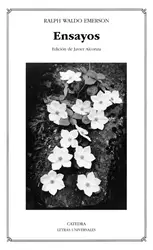
  1. Ensayos

    Ralph Waldo Emerson

  2. Compensación :

    Ralph Waldo Emerson

  3. 4.5

    Confianza en uno Mismo

    Ralph Waldo Emerson

  4. The Prosperity Bible: The Greatest Writings of All Time On The Secrets To Wealth And Prosperity

    Abner Bayley, Benjamin Franklin, B.F. Austin, Charles F. Haanel, Dale Carnegie, Douglas Fairbanks, Florence Scovel Shinn, H.A. Lewis, Henry H. Brown, Henry Thomas Hamblin, James Allen, Joseph Murphy, Khalil Gibran, Lao Tzu, L.W. Rogers, Marcus Aurelius, Napoleon Hill, Orison Swett Marden, P.T. Barnum, Ralph Waldo Emerson, Russell H. Conwell, Samuel Smiles, Sun Tzu, Wallace D. Wattles, William Atkinson, William Crosbie Hunter

  5. The Prosperity Bible: The Greatest Writings of All Time On The Secrets To Wealth And Prosperity

    Abner Bayley, Benjamin Franklin, B.F. Austin, Charles F. Haanel, Dale Carnegie, Douglas Fairbanks, Florence Scovel Shinn, H.A. Lewis, Henry H. Brown, Henry Thomas Hamblin, James Allen, Joseph Murphy, Khalil Gibran, Lao Tzu, L.W. Rogers, Marcus Aurelius, Napoleon Hill, Orison Swett Marden, P.T. Barnum, Ralph Waldo Emerson, Russell H. Conwell, Samuel Smiles, Sun Tzu, Wallace D. Wattles, William Atkinson, William Crosbie Hunter

  6. The Prosperity Bible: The Greatest Writings of All Time On The Secrets To Wealth And Prosperity

    Abner Bayley, Benjamin Franklin, B.F. Austin, Charles F. Haanel, Dale Carnegie, Douglas Fairbanks, Florence Scovel Shinn, H.A. Lewis, Henry H. Brown, Henry Thomas Hamblin, James Allen, Joseph Murphy, Khalil Gibran, Lao Tzu, L.W. Rogers, Marcus Aurelius, Napoleon Hill, Orison Swett Marden, P.T. Barnum, Ralph Waldo Emerson, Russell H. Conwell, Samuel Smiles, Sun Tzu, Wallace D. Wattles, William Atkinson, William Crosbie Hunter

  7. #9

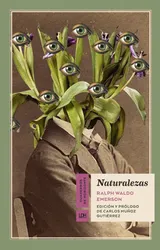
    Naturalezas

    Ralph Waldo Emerson

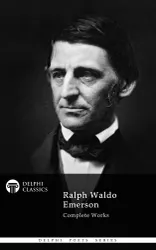
  8. Delphi Complete Works of Ralph Waldo Emerson (Illustrated)

    Ralph Waldo Emerson

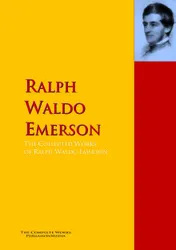
  9. The Collected Works of Ralph Waldo Emerson : PergamonMedia

    Ralph Waldo Emerson

  10. Nuevo

    Livets lag om kompensation

    Ralph Waldo Emerson

  11. Nuevo

    Livet inom hemmets väggar

    Ralph Waldo Emerson

  12. Nuevo

    Orädd : konsten att övervinna din rädsla

    Ralph Waldo Emerson