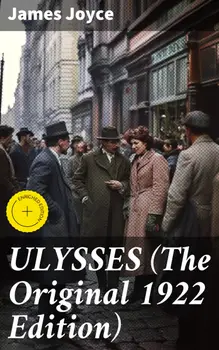
ULYSSES (The Original 1922 Edition) : Enriched edition. Exploring identity, nationality, and the human experience through intricate wordplay and experimental narrative in a modernist masterpiece

James Joyce's "Ulysses," originally published in 1922, stands as a monumental work in modernist literature, renowned for its experimental narrative style and rich thematic depth. Following the structure of Homer's "Odyssey," Joyce meticulously chronicles a single day'—June 16, 1904'—in the life of Leopold Bloom in Dublin. The text employs a stream-of-consciousness technique, fragmentary prose, and polyphonic dialogue, reflecting the intricacies of human thought and the complexities of everyday life. Through ingeniously crafted episodes, Joyce delves into the minutiae of existence, exploring themes of identity, desire, and the mundane intertwining with the profound, thereby establishing a new literary context that redefined narrative possibilities. James Joyce, born in 1882 in Dublin, was significantly influenced by his own experiences of exile and his profound understanding of classical works. His deep engagement with philosophy, psychology, and literature, combined with his commitment to depicting the realities of Irish life, led to the creation of "Ulysses." Joyce's use of intricate symbolism and allusion is a reflection of his intellectual background and his desire to challenge both narrative norms and societal constraints. For readers and scholars alike, "Ulysses" is not simply a novel but an expansive exploration of the human condition. It invites readers to immerse themselves in its layered narrative and rich characterizations, making it an essential read for anyone seeking to grasp the evolution of modern literature. This edition preserves the original integrity of Joyce's text while offering invaluable insights into its enduring relevance.

In this enriched edition, we have carefully created added value for your reading experience:

- A succinct Introduction situates the work's timeless appeal and themes.

- The Synopsis outlines the central plot, highlighting key developments without spoiling critical twists.

- A detailed Historical Context immerses you in the era's events and influences that shaped the writing.

- An Author Biography reveals milestones in the author's life, illuminating the personal insights behind the text.

- A thorough Analysis dissects symbols, motifs, and character arcs to unearth underlying meanings.

- Reflection questions prompt you to engage personally with the work's messages, connecting them to modern life.

- Hand‐picked Memorable Quotes shine a spotlight on moments of literary brilliance.

- Interactive footnotes clarify unusual references, historical allusions, and archaic phrases for an effortless, more informed read.

Sobre este libro

James Joyce's "Ulysses," originally published in 1922, stands as a monumental work in modernist literature, renowned for its experimental narrative style and rich thematic depth. Following the structure of Homer's "Odyssey," Joyce meticulously chronicles a single day'—June 16, 1904'—in the life of Leopold Bloom in Dublin. The text employs a stream-of-consciousness technique, fragmentary prose, and polyphonic dialogue, reflecting the intricacies of human thought and the complexities of everyday life. Through ingeniously crafted episodes, Joyce delves into the minutiae of existence, exploring themes of identity, desire, and the mundane intertwining with the profound, thereby establishing a new literary context that redefined narrative possibilities. James Joyce, born in 1882 in Dublin, was significantly influenced by his own experiences of exile and his profound understanding of classical works. His deep engagement with philosophy, psychology, and literature, combined with his commitment to depicting the realities of Irish life, led to the creation of "Ulysses." Joyce's use of intricate symbolism and allusion is a reflection of his intellectual background and his desire to challenge both narrative norms and societal constraints. For readers and scholars alike, "Ulysses" is not simply a novel but an expansive exploration of the human condition. It invites readers to immerse themselves in its layered narrative and rich characterizations, making it an essential read for anyone seeking to grasp the evolution of modern literature. This edition preserves the original integrity of Joyce's text while offering invaluable insights into its enduring relevance.

In this enriched edition, we have carefully created added value for your reading experience:

- A succinct Introduction situates the work's timeless appeal and themes.

- The Synopsis outlines the central plot, highlighting key developments without spoiling critical twists.

- A detailed Historical Context immerses you in the era's events and influences that shaped the writing.

- An Author Biography reveals milestones in the author's life, illuminating the personal insights behind the text.

- A thorough Analysis dissects symbols, motifs, and character arcs to unearth underlying meanings.

- Reflection questions prompt you to engage personally with the work's messages, connecting them to modern life.

- Hand‐picked Memorable Quotes shine a spotlight on moments of literary brilliance.

- Interactive footnotes clarify unusual references, historical allusions, and archaic phrases for an effortless, more informed read.
Empieza este libro hoy por 0 €

  • Disfruta de acceso completo a todos los libros de la app durante el periodo de prueba
  • Sin compromiso, cancela cuando quieras
Pruébalo gratis ahora
Más de 52 000 clientes han dado a Nextory 5 estrellas en la App Store y Google Play.

  1. 50 Clásicos que Debes Leer Antes de Morir : Un viaje literario por los tesoros de la literatura universal

    Dante Alighieri, Aristóteles, Jane Austen, Charles Baudelaire, Giovanni Boccaccio, Anne Brontë, C. Collodi, James Fenimore Cooper, Fedor Mikhaïlovitch Dostoïevski, Arthur Conan Doyle, Alexandre Dumas, José de Espronceda, Gustave Flaubert, Sigmund Freud, Benito Pérez Galdós, Kahlil Gibran, Johann Wolfgang Goethe, Johann Wolfgang von Goethe, Victor Hugo, Thomas Hardy, Nathaniel Hawthorne, Vicente Blasco Ibáñez, Washington Irving, James Joyce, Mariano José de Larra, Jack London, Federico García Lorca, H.P. Lovecraft, Antonio Machado, Gustav Meyrink, John Stuart Mill, Amado Nervo, Friedrich Nietzsche, Solomon Northup, Alexander Sergeyevich Pushkin, Francisco de Quevedo, Walter Scott, William Shakespeare, Robert Louis Stevenson, Harriet Beecher Stowe, Jonathan Swift, Mark Twain, Miguel De Unamuno, Ramón María del Valle-Inclán, Julio Verne, Virginia Woolf

  2. 2.0

    50 Clásicos que Debes Leer Antes de Morir: Tu Pasaporte a los Tesoros de la Literatura Universal

    Dante Alighieri, Aristóteles, Jane Austen, Charles Baudelaire, Giovanni Boccaccio, Anne Brontë, C. Collodi, James Fenimore Cooper, Fedor Mikhaïlovitch Dostoïevski, Arthur Conan Doyle, Alexandre Dumas, José de Espronceda, Gustave Flaubert, Sigmund Freud, Benito Pérez Galdós, Kahlil Gibran, Johann Wolfgang Goethe, Johann Wolfgang von Goethe, Victor Hugo, Thomas Hardy, Nathaniel Hawthorne, Vicente Blasco Ibáñez, Washington Irving, James Joyce, Mariano José de Larra, Jack London, Federico García Lorca, H.P. Lovecraft, Antonio Machado, Gustav Meyrink, John Stuart Mill, Amado Nervo, Friedrich Nietzsche, Solomon Northup, Alexander Sergeyevich Pushkin, Francisco de Quevedo, Walter Scott, William Shakespeare, Robert Louis Stevenson, Harriet Beecher Stowe, Jonathan Swift, Mark Twain, Miguel De Unamuno, Ramón María del Valle-Inclán, Julio Verne, Virginia Woolf

  3. 100 Obras Maestras Que Debes Leer Antes De Morir

    Francis Scott Fitzgerald, Mary Shelley, Lyman Frank Baum, Edith Nesbit, Dante Alighieri, Jane Austen, Ambrose Bierce, Emily Brontë, Edgar Rice Burroughs, Lewis Carroll, Wilkie Collins, René Descartes, Charles Dickens, Emily Dickinson, Alexandre Dumas, Gustave Flaubert, Benito Pérez Galdós, Johann Wolfgang von Goethe, Thomas Hardy, E T A Hoffmann, Washington Irving, Henry James, James Joyce, Franz Kafka, Gaston Leroux, Federico García Lorca, H.P. Lovecraft, Publio Virgilio Marón, Lucy Maud Montgomery, John William Polidori, Marco Polo, Antoine de Saint-Exupéry, Emilio Salgari, Walter Scott, Mark Twain, Jules Verne, H.G. Wells, Edith Wharton, Mary Wollstonecraft, Fernando de Rojas

  4. 100 Clásicos de la Literatura

    Francis Scott Fitzgerald, Mary Shelley, Lyman Frank Baum, Louisa May Alcott, Dante Alighieri, Jane Austen, Ambrose Bierce, Emily Brontë, Edgar Rice Burroughs, Lewis Carroll, Wilkie Collins, René Descartes, Charles Dickens, Emily Dickinson, Alexandre Dumas, Gustave Flaubert, Benito Pérez Galdós, Johann Wolfgang von Goethe, Thomas Hardy, E T A Hoffmann, Washington Irving, Henry James, James Joyce, Franz Kafka, Gaston Leroux, Federico García Lorca, H.P. Lovecraft, Publio Virgilio Marón, Lucy Maud Montgomery, John William Polidori, Marco Polo, Antoine de Saint-Exupéry, Emilio Salgari, Walter Scott, Mark Twain, Jules Verne, H.G. Wells, Edith Wharton, Mary Wollstonecraft, Fernando de Rojas

  5. 100 Obras Maestras Que Debes Leer Antes De Morir

    Francis Scott Fitzgerald, Mary Shelley, Lyman Frank Baum, Edith Nesbit, Dante Alighieri, Jane Austen, Ambrose Bierce, Emily Brontë, Edgar Rice Burroughs, Lewis Carroll, Wilkie Collins, René Descartes, Charles Dickens, Emily Dickinson, Alexandre Dumas, Gustave Flaubert, Benito Pérez Galdós, Johann Wolfgang von Goethe, Thomas Hardy, E T A Hoffmann, Washington Irving, Henry James, James Joyce, Franz Kafka, Gaston Leroux, Federico García Lorca, H.P. Lovecraft, Publio Virgilio Marón, Lucy Maud Montgomery, John William Polidori, Marco Polo, Antoine de Saint-Exupéry, Emilio Salgari, Walter Scott, Mark Twain, Jules Verne, H.G. Wells, Edith Wharton, Mary Wollstonecraft, Fernando de Rojas

  6. 100 Clásicos de la Literatura

    Francis Scott Fitzgerald, Mary Shelley, Lyman Frank Baum, Louisa May Alcott, Dante Alighieri, Jane Austen, Ambrose Bierce, Emily Brontë, Edgar Rice Burroughs, Lewis Carroll, Wilkie Collins, René Descartes, Charles Dickens, Emily Dickinson, Alexandre Dumas, Gustave Flaubert, Benito Pérez Galdós, Johann Wolfgang von Goethe, Thomas Hardy, E T A Hoffmann, Washington Irving, Henry James, James Joyce, Franz Kafka, Gaston Leroux, Federico García Lorca, H.P. Lovecraft, Publio Virgilio Marón, Lucy Maud Montgomery, John William Polidori, Marco Polo, Antoine de Saint-Exupéry, Emilio Salgari, Walter Scott, Mark Twain, Jules Verne, H.G. Wells, Edith Wharton, Mary Wollstonecraft, Fernando de Rojas

  7. Dublineses

    James Joyce

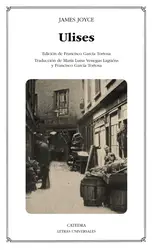
  8. Ulises

    James Joyce

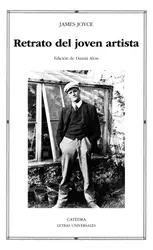
  9. Retrato del joven artista

    James Joyce

  10. Ulises

    James Joyce

  11. El Ulises

    James Joyce

  12. 4.7

    Ulises

    James Joyce