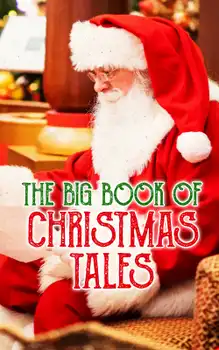
The Big Book of Christmas Tales gathers an expansive constellation of seasonal writing, ranging from Victorian moral fable and Gothic-tinged wonder to domestic realism, lyric meditation, children's fantasy, comic anecdote, and psychological tale. Its Christmas is not merely sentimental: it is a literary occasion for charity, memory, estrangement, mystery, social conscience, and renewal. Familiar classics stand beside lesser-known narratives, creating a broad historical panorama of how writers across genres have imagined winter festivity, spiritual reckoning, and communal hope. The contributors represent many of the major currents of nineteenth- and early twentieth-century literature: Romantic poetry, American regionalism, Russian realism, European naturalism, fin-de-siècle fantasy, children's literature, and popular adventure fiction. As a collective, these authors helped shape modern ideas of childhood, conscience, home, faith, poverty, and imagination. Their varied national traditions—British, American, Irish, Russian, Scandinavian, French, Spanish, and German—enrich the anthology's central theme by revealing Christmas as both culturally specific and profoundly transnational. This volume is ideal for readers seeking a single, richly varied treasury of holiday literature. It offers education as well as pleasure, inviting comparison among voices, forms, and traditions while fostering a lively dialogue between enchantment and realism, devotion and satire, nostalgia and critique.
This enriched edition has been carefully crafted to add value to your reading experience.
- An Introduction draws the threads together, discussing why these diverse authors and texts belong in one collection.
- Historical Context explores the cultural and intellectual currents that shaped these works, offering insight into the shared (or contrasting) eras that influenced each writer.
- A combined Synopsis (Selection) briefly outlines the key plots or arguments of the included pieces, helping readers grasp the anthology's overall scope without giving away essential twists.
- A collective Analysis highlights common themes, stylistic variations, and significant crossovers in tone and technique, tying together writers from different backgrounds.
- Reflection questions encourage readers to compare the different voices and perspectives within the collection, fostering a richer understanding of the overarching conversation.