Über dieses Buch

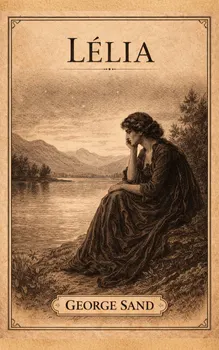
A daring and philosophical exploration of love, despair, faith, and female independence, Lélia stands as one of George Sand's most provocative and introspective works. First published in 1833, this deeply emotional and intellectually charged novel challenges the moral, spiritual, and social conventions of its time, offering a portrait of a woman far ahead of her era.

At the center of the story is Lélia, a brilliant, enigmatic, and profoundly disillusioned woman who struggles with the limitations imposed upon her by society, religion, and romantic expectation. Gifted with exceptional intelligence and acute self-awareness, she finds herself torn between spiritual longing and earthly desire, between the ideal of transcendent love and the harsh reality of human imperfection.

Lélia is admired and pursued by Sténio, a passionate young poet who sees in her the embodiment of sublime beauty and inspiration. Yet she cannot fully surrender to his devotion. Haunted by doubt and philosophical questioning, she resists conventional love, fearing both emotional bondage and the loss of her independence. Her inner conflict forms the emotional core of the novel—an intense examination of longing, skepticism, and the search for meaning.

Through lyrical prose and dramatic dialogue, George Sand weaves a narrative rich in romanticism and existential inquiry. The novel explores themes of spiritual crisis, the constraints of gender roles, the conflict between body and soul, and the isolation that can accompany intellectual superiority. Lélia's defiance of societal norms—especially those governing women's desires and autonomy—made the work controversial upon its publication, yet it remains a powerful statement of early feminist thought.

More than a love story, Lélia is a meditation on human aspiration and disillusionment. Sand presents her heroine not as a simple romantic figure, but as a complex thinker wrestling with faith, morality, and the meaning of happiness. The novel's atmosphere is intense and poetic, filled with philosophical reflection and emotional depth.

Bold, introspective, and revolutionary for its time, Lélia continues to resonate as a profound exploration of freedom, identity, and the restless search for truth. George Sand's masterpiece invites readers into the mind of a woman determined to define herself in a world determined to define her.


Starte noch heute mit diesem Buch für CHF 0

  • Hole dir während der Testphase vollen Zugriff auf alle Bücher in der App
  • Keine Verpflichtungen, jederzeit kündbar
Jetzt kostenlos testen
Mehr als 52 000 Menschen haben Nextory im App Store und auf Google Play 5 Sterne gegeben.

Mehr von George Sand

  1. Neu

    50 Masterpieces you have to read before you die vol: 2

    Joseph Sheridan Fanu, Madame de Fayette, Jerome K Jerome, James Joyce, Charles Kingsley, Rudyard Kipling, Pierre Choderlos Laclos, D. H. Lawrence, Matthew Gregory Lewis, Sinclair Lewis, Jack London, H.P. Lovecraft, Thomas Mann, W. Somerset Maugham, Guy De Maupassant, Herman Melville, Edgar Allan Poe, Marcel Proust, Ann Radcliffe, Samuel Richardson, George Sand, Walter Scott, Mary Shelley, Henryk Sienkiewicz, May Sinclair, Upton Sinclair, Stendhal, Laurence Sterne, Robert Louis Stevenson, Bram Stoker, Harriet Beecher Stowe, Jonathan Swift, Rabindranath Tagore, William Makepeace Thackeray

  2. Neu

    Die größten Klassiker der französischen Literatur

    Victor Hugo, Marcel Proust, Voltaire, George Sand, Émile Zola, Gustave Flaubert, Honoré de Balzac, Francois Rabelais, Alexandre Dumas, Charles Baudelaire, Stendhal, Denis Diderot, Jean-Jacques Rousseau, Madame de Fayette, Alphonse Daudet

  3. Neu

    100 Französische Klassiker - Meisterwerke, die man kennen muss : Der kleine Prinz, Die Elenden, Der Graf von Monte Christo, Horla, Kandid, Lelia, Der Misanthrop, ...

    Victor Hugo, Antoine de Saint-Exupéry, Alexandre Dumas, Colette, Jules Verne, Romain Rolland, Honoré de Balzac, Stendhal, George Sand, Alfred de Musset, Gustave Flaubert, Emile Zola, Charles Baudelaire, Arthur Rimbaud, Stéphane Mallarmé, Guy De Maupassant, Alphonse Daudet, Joris-Karl Huysmans, Marcel Proust, Alain-Fournier, Anatole France, Jean Giraudoux, William Le Queux, Edmond Rostand, André Gide, Remy de Gourmont, Marc Bloch, Guillaume de Lorris, François Rabelais, Marie-Madeleine de Fayette, Voltaire, Michel de Montaigne, Blaise Pascal, René Descartes, Jean Baptiste Molière, Pierre Corneille, Denis Diderot, Jean-Jacques Rousseau, Pierre Ambroise Laclos, Pierre de Beaumarchais, Marquis De Sade, François René Chateaubriand, Prosper Mérimée

  4. 50 Masterpieces you have to read before you die vol: 2

    Joseph Sheridan Fanu, Madame de Fayette, Jerome K Jerome, James Joyce, Charles Kingsley, Rudyard Kipling, Pierre Choderlos Laclos, D. H. Lawrence, Matthew Gregory Lewis, Sinclair Lewis, Jack London, H.P. Lovecraft, Thomas Mann, W. Somerset Maugham, Guy De Maupassant, Herman Melville, Edgar Allan Poe, Marcel Proust, Ann Radcliffe, Samuel Richardson, George Sand, Walter Scott, Mary Shelley, Henryk Sienkiewicz, May Sinclair, Upton Sinclair, Stendhal, Laurence Sterne, Robert Louis Stevenson, Bram Stoker, Harriet Beecher Stowe, Jonathan Swift, Rabindranath Tagore, William Makepeace Thackeray, Leo Tolstoy, Anthony Troloppe, Ivan Turgenev, Mark Twain, Jules Verne, Lew Wallace, H.G. Wells, Rebecca West, Edith Wharton, Oscar Wilde, Cao Xueqin, Émile Zola

  5. Die größten Klassiker der französischen Literatur

    Victor Hugo, Marcel Proust, Voltaire, George Sand, Émile Zola, Gustave Flaubert, Honoré de Balzac, Francois Rabelais, Alexandre Dumas, Charles Baudelaire, Stendhal, Denis Diderot, Jean-Jacques Rousseau, Madame de Fayette, Alphonse Daudet

  6. 50 Masterpieces you have to read before you die vol: 2

    Joseph Sheridan Fanu, Madame de Fayette, Jerome K Jerome, James Joyce, Charles Kingsley, Rudyard Kipling, Pierre Choderlos Laclos, D. H. Lawrence, Matthew Gregory Lewis, Sinclair Lewis, Jack London, H.P. Lovecraft, Thomas Mann, W. Somerset Maugham, Guy De Maupassant, Herman Melville, Edgar Allan Poe, Marcel Proust, Ann Radcliffe, Samuel Richardson, George Sand, Walter Scott, Mary Shelley, Henryk Sienkiewicz, May Sinclair, Upton Sinclair, Stendhal, Laurence Sterne, Robert Louis Stevenson, Bram Stoker, Harriet Beecher Stowe, Jonathan Swift, Rabindranath Tagore, William Makepeace Thackeray, Leo Tolstoy, Anthony Troloppe, Ivan Turgenev, Mark Twain, Jules Verne, Lew Wallace, H.G. Wells, Rebecca West, Edith Wharton, Oscar Wilde, Cao Xueqin, Émile Zola

  7. Ein Winter auf Mallorca

    George Sand

  8. Indiana : A Creole Wife and Her Two Devotions

    George Sand

  9. Die größten Klassiker der französischen Literatur

    Victor Hugo, Marcel Proust, Voltaire, George Sand, Émile Zola, Gustave Flaubert, Honoré de Balzac, Francois Rabelais, Alexandre Dumas, Charles Baudelaire, Stendhal, Denis Diderot, Jean-Jacques Rousseau, Madame de Fayette, Alphonse Daudet

  10. 50 Masterpieces You Have to Read : Volume Two - A Second Library of World Literature

    Joseph Sheridan Fanu, Madame de Fayette, Jerome K Jerome, James Joyce, Charles Kingsley, Rudyard Kipling, Pierre Choderlos Laclos, D. H. Lawrence, Matthew Gregory Lewis, Sinclair Lewis, Jack London, H.P. Lovecraft, Thomas Mann, W. Somerset Maugham, Guy De Maupassant, Herman Melville, Edgar Allan Poe, Marcel Proust, Ann Radcliffe, Samuel Richardson, George Sand, Walter Scott, Mary Shelley, Henryk Sienkiewicz, May Sinclair, Upton Sinclair, Stendhal, Laurence Sterne, Robert Louis Stevenson, Bram Stoker, Harriet Beecher Stowe, Jonathan Swift, Rabindranath Tagore, William Makepeace Thackeray, Leo Tolstoy, Anthony Trollope, Ivan Turgenev, Mark Twain, Jules Verne, Lew Wallace, H.G. Wells, Rebecca West, Edith Wharton, Oscar Wilde, Cao Xueqin, Émile Zola

  11. Harvard Classics : The Five-Foot Shelf of Books

    Aesop, Dante Alighieri, Hans Christian Andersen, Augustine of Hippo, Marcus Aurelius, Jane Austen, Francis Bacon, Honoré de Balzac, Francis Beaumont, Bjørnstjerne Bjørnson, Thomas Browne, Robert Browning, John Bunyan, EDMUND BURKE, Robert Burns, Lord Byron, Thomas Carlyle, Benvenuto Cellini, Miguel de Cervantes, Marcus Tullius Cicero, Richard Henry Jr., Charles Darwin, Alphonse Daudet, Thomas Dekker, Charles Dickens, Fyodor Dostoevsky, John Dryden, Charles W. Eliot, George Eliot, Ralph Waldo Emerson, Epictetus, John Fletcher, Theodor Fontane, Benjamin Franklin, Johann Wolfgang Goethe, Oliver Goldsmith, Jacob Grimm, Edward Everett Hale, Bret Harte, Nathaniel Hawthorne, Homer, Victor Hugo, Washington Irving, Henry James, Ben Jonson, Gottfried Keller, Thomas à Kempis, Alexander L. Kielland, Martin Luther, Niccolò Machiavelli, Alessandro Manzoni, Christopher Marlowe, Philip Massinger, Guy De Maupassant, John Stuart Mill, John Milton, Thomas More, William Morris, Alfred de Musset, William Allan Neilson, William Penn, Plato, Pliny the Younger, Plutarch, George Sand, Percy Bysshe Shelley, Richard Brinsley Sheridan, Adam Smith, Laurence Sterne, Theodor Storm, William Makepeace Thackeray, Leo Tolstoy, Ivan Turgenev, Mark Twain, Juan Valera, Virgil, Izaak Walton, John Webster, John Woolman

  12. Die größten Klassiker der französischen Literatur

    Victor Hugo, Marcel Proust, Voltaire, George Sand, Emile Zola, Gustave Flaubert, Honoré de Balzac, François Rabelais, Alexandre Dumas, Charles Baudelaire, Stendhal, Denis Diderot, Jean-Jacques Rousseau, Marie-Madeleine de Fayette, Alphonse Daudet