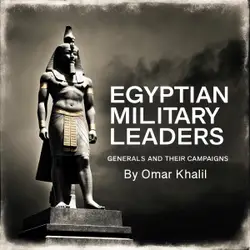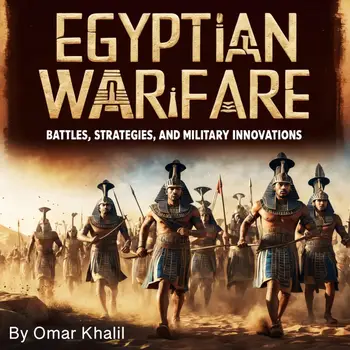
In the earliest periods of Ancient Egypt, military organization was relatively simplistic, reflecting the needs of a society transitioning from small, independent communities to a unified state. During the Predynastic and Early Dynastic periods, military efforts were often led by local chieftains or emerging kings, whose power was consolidated through the control of small, regional armies. These early forces primarily consisted of able-bodied men called upon when conflicts arose, rather than a standing army.
The unification of Upper and Lower Egypt under King Narmer marked a significant turning point in the military structure. With this unification came the need for more organized military strategies to maintain control over the expansive territories. The pharaoh, regarded as both a political and military leader, played a central role in directing military campaigns and defending borders. Early depictions on palettes and reliefs show the pharaoh as a warrior, symbolizing strength and divine authority in battle. This image was crucial in asserting dominance and maintaining internal order.
Weapons used during this time were relatively basic, often crafted from stone, wood, and copper. Warriors wielded maces, spears, and simple bows, which were effective in close combat and hunting but limited in more advanced warfare. Shields made from animal hides provided some defense, but armor was scarce, as mobility remained more valued than heavy protection. Chariots, which would later become integral to Egyptian military prowess, had not yet been introduced, and combat primarily involved foot soldiers engaging in skirmishes.