
oder

Finde dein nächstes Lieblingsbuch

Liste überspringen
  1. 3.0

    200 Meisterwerke der Literaturgeschichte (Kommentiert) : Erweiterte Ausgabe. Die größten Klassiker der Weltliteratur

    Franz Kafka, Victor Hugo, Fjodor Michailowitsch Dostojewski, Lord Byron, Giacomo Leopardi, Marcel Proust, Henrik Ibsen, Percy Bysshe Shelley, Charles Dickens, Jane Austen, Mary Shelley, Emily Brontë, Charlotte Brontë, Anne Brontë, William Makepeace Thackeray, Bram Stoker, Henry Fielding, George Eliot, William Shakespeare, D. H. Lawrence, Walt Whitman, Herman Melville, Thomas Wolfe, Virginia Woolf, Joseph Conrad, Sinclair Lewis, Lewis Carrol, Edgar Allan Poe, Edward Bulwer-Lytton, Oscar Wilde, H.G. Wells, Daniel Defoe, James Fenimore Cooper, Lew Wallace, Jonathan Swift, Mark Twain, Walter Scott, Nathaniel Hawthorne, Harriet Beecher Stowe, Laurence Sterne, Frances Hodgson Burnett, Arthur Conan Doyle, Wilkie Collins, Edgar Wallace, Robert Louis Stevenson, Jack London, Henry David Thoreau, John Galsworthy, F. Scott Fitzgerald, Rudyard Kipling, G.K. Chesterton, Washington Irvin, O.Henry, Ambrose Bierce, Alexander Sergejewitsch Puschkin, Michail Lermontow, Iwan Sergejewitsch Turgenew, Leo Tolstoi, Nikolai Gogol, Iwan Gontscharow, Nikolai Leskow, Anton Pawlowitsch Tschechow, Maxim Gorki, François Rabelais, Jean De Fontaine, Blaise Pascal, Pierre Corneille, Moliere, Jean Baptiste Racine, Charles Perrault, Voltaire, Denis Diderot, Jean-Jacques Rousseau, Pierre Ambroise Laclos, Antoine-François Prévost, Marquis De Sade, François René Chateaubriand, Stendhal, Honoré de Balzac, Alexandre Dumas, Alphonse de Lamartine, George Sand, Gustave Flaubert, Emile Zola, Guy De Maupassant, Alphonse Daudet, Jules Verne, Joris-Karl Huysmans, Prosper Mérimée, Charles Baudelaire, Stéphane Mallarmé, Arthur Rimbaud, André Gide, Arthur Schopenhauer, Heinrich Heine, Friedrich Schiller, Johann Wolfgang Goethe, Jacob Grimm, Gottfried von Straßburg, Wolfram von Eschenbach, E. T. Hoffmann, Annette von Droste-Hülshoff, Heinrich von Kleist, Friedrich Hölderlin, Theodor Fontane, Gustav Freytag, Gottfried Keller, Theodor Storm, Stefan Zweig, Joseph von Eichendorff, Klaus Mann, Rainer Maria Rilke, Johanna Spyri, Joseph Roth, Karl May, Robert Musil, Heinrich Mann, Sigmund Freud, Friedrich Nietzsche, Dante Alighieri, Giovanni Boccaccio, Giacomo Casanova, Luigi Pirandello, Giosuè Carducci, Gabriele D’Annunzio, Niccolo Machiavelli, Miguel Cervantes Saavedra, Pedro Calderón Barca, Vicente Blasco Ibañez, Knut Hamsun, Homer, Äsop, Herodot, Thukydides, Xenophon, Platon, - Aristoteles, - Sophokles, Euripides, - Aristophanes, Lao Tse, - Konfuzius, Siddhartha Gautama Buddha, Titus Livius, Tacitus, Marcus Tullius Cicero, Vergil, Ovid, Lukian, Petronius, Apuleius, Longos von Lesbos, Mark Aurel, Aurelius Augustinus

  2. Die größten Klassiker der Weltliteratur (Kommentiert) : Erweiterte Ausgabe. 200 Meisterwerke der Weltgeschichte

    Fjodor Michailowitsch Dostojewski, Lord Byron, Victor Hugo, Giacomo Leopardi, Franz Kafka, Marcel Proust, Henrik Ibsen, Percy Bysshe Shelley, Charles Dickens, Jane Austen, Mary Shelley, Emily Brontë, Charlotte Brontë, William Shakespeare, D. H. Lawrence, Walt Whitman, Herman Melville, Robert Louis Stevenson, Mark Twain, Walter Scott, Alexander Sergejewitsch Puschkin, Leo Tolstoi, Nikolai Gogol, Charles Baudelaire, Arthur Rimbaud, Edmond Rostand, Jean Giraudoux, André Gide, Arthur Schopenhauer, Heinrich Heine, Friedrich Schiller, Johann Wolfgang Goethe, Wilhelm Grimm, Gottfried von Straßburg, Wolfram von Eschenbach, E. T. Hoffmann, Annette von Droste-Hülshoff, Dante Alighieri, Giovanni Boccaccio, Luigi Pirandello, Niccolo Machiavelli, Miguel Cervantes Saavedra, Pedro Calderón Barca, Vicente Blasco Ibañez, Knut Hamsun, Friedrich Nietzsche, Homer, Äsop, Herodot, Thukydides, Xenophon, Platon, - Aristoteles, Tacitus, - Konfuzius, Siddhartha Gautama Buddha, Marcus Tullius Cicero, Vergil, Ovid, Mark Aurel, Aurelius Augustinus, Jacob Grimm

  3. 200 Literarische Meisterwerke der Weltgeschichte (Kommentiert) : Erweiterte Ausgabe. Die größten Klassiker aus Deutschland, England, den USA, Russland und Frankreich

    Lew Tolstoi, Virginia Woolf, Henrik Ibsen, Franz Kafka, Fjodor Michailowitsch Dostojewski, Lord Byron, Victor Hugo, Giacomo Leopardi, Marcel Proust, Percy Bysshe Shelley, Charles Dickens, Jane Austen, Mary Shelley, Emily Brontë, Charlotte Brontë, Anne Brontë, William Makepeace Thackeray, Bram Stoker, Henry Fielding, George Eliot, William Shakespeare, D. H. Lawrence, Walt Whitman, Herman Melville, Thomas Wolfe, Joseph Conrad, Sinclair Lewis, Lewis Carrol, Edgar Allan Poe, Edward Bulwer-Lytton, Oscar Wilde, H.G. Wells, Daniel Defoe, James Fenimore Cooper, Lew Wallace, Jonathan Swift, Nathaniel Hawthorne, Harriet Beecher Stowe, Laurence Sterne, Frances Hodgson Burnett, Arthur Conan Doyle, Wilkie Collins, Edgar Wallace, Robert Louis Stevenson, Jack London, Henry David Thoreau, John Galsworthy, F. Scott Fitzgerald, Rudyard Kipling, G.K. Chesterton, Mark Twain, Walter Scott, Alexander Sergejewitsch Puschkin, Leo Tolstoi, Nikolai Gogol, Charles Baudelaire, Arthur Rimbaud, Edmond Rostand, Jean Giraudoux, André Gide, Arthur Schopenhauer, Heinrich Heine, Friedrich Schiller, Johann Wolfgang Goethe, Jacob Grimm, Wilhelm Grimm, Gottfried von Straßburg, Wolfram von Eschenbach, E. T. Hoffmann, Annette von Droste-Hülshoff, Dante Alighieri, Giovanni Boccaccio, Luigi Pirandello, Niccolo Machiavelli, Miguel Cervantes Saavedra, Pedro Calderón Barca, Vicente Blasco Ibañez, Knut Hamsun, Friedrich Nietzsche, Homer, Äsop, Herodot, Thukydides, Xenophon, Platon, - Aristoteles, Tacitus, - Konfuzius, Siddhartha Gautama Buddha, Marcus Tullius Cicero, Vergil, Ovid, Mark Aurel, Aurelius Augustinus

  4. Nobelpreis
    3.8

    Hunger

    Knut Hamsun

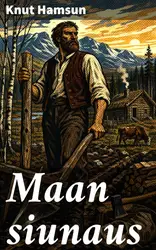
  5. Maan siunaus

    Knut Hamsun

  6. Nobelpreis
    3.3

    Por senderos que la maleza oculta

    Knut Hamsun

  7. 4.6

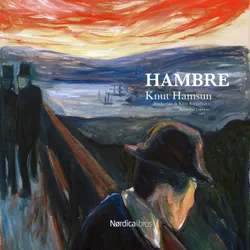
    Hambre

    Knut Hamsun

  8. Nobelpreis

    Konerne ved vandposten. Bind II

    Knut Hamsun

  9. Nobelpreis

    Konerne ved vandposten. Bind I

    Knut Hamsun

  10. Nobelpreis
    3.9

    Markens gröda

    Knut Hamsun

  11. Redakteur Lynge : Eine scharfsinnige Presse-Satire über Meinungsmacht, politische Intrigen und die moralische Beweglichkeit öffentlicher Kultur

    Knut Hamsun

  12. Redaktør Lynge

    Knut Hamsun

Über dieses Buch

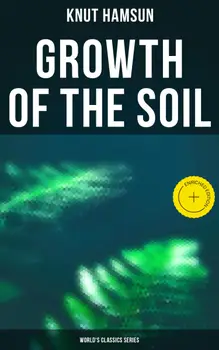
Knut Hamsun's novel, Growth of the Soil, is a timeless classic that provides a poignant and vivid portrayal of the struggle between nature and civilization. Set in rural Norway, this work showcases Hamsun's masterful storytelling, rich imagery, and deep understanding of human nature. Written in a sparse and lyrical style, the novel captures the essence of the Norwegian landscape and the challenges faced by the characters as they navigate the harsh realities of rural life. Hamsun's Nobel Prize-winning novel stands as a testament to his literary genius and continues to resonate with readers worldwide for its exploration of elemental themes. Knut Hamsun, a Norwegian author known for his innovative and psychologically complex narratives, drew inspiration from his own rural upbringing to create Growth of the Soil. Hamsun's keen observation and insight into the human condition are evident throughout the novel, offering readers a glimpse into the complexities of existence and the enduring power of the natural world. I highly recommend Growth of the Soil to readers seeking a profound and thought-provoking literary experience. Hamsun's masterpiece is a compelling exploration of nature, society, and the human spirit, making it a must-read for anyone interested in exploring the depths of the human experience.

In this enriched edition, we have carefully created added value for your reading experience:

- A succinct Introduction situates the work's timeless appeal and themes.

- The Synopsis outlines the central plot, highlighting key developments without spoiling critical twists.

- A detailed Historical Context immerses you in the era's events and influences that shaped the writing.

- An Author Biography reveals milestones in the author's life, illuminating the personal insights behind the text.

- A thorough Analysis dissects symbols, motifs, and character arcs to unearth underlying meanings.

- Reflection questions prompt you to engage personally with the work's messages, connecting them to modern life.

- Hand‐picked Memorable Quotes shine a spotlight on moments of literary brilliance.

- Interactive footnotes clarify unusual references, historical allusions, and archaic phrases for an effortless, more informed read.