Far from the Madding Crowd by Thomas Hardy Gabriel Oak is a young shepherd. With the savings of a frugal life, and a loan, he has leased and stocked a sheep-farm. He falls in love with a newcomer eight years his junior, Bathsheba Everdene, a proud beauty who arrives to live with her aunt, Mrs. Hurst. She comes to like him well enough, and even saves his life once, but when he makes her an unadorned offer of marriage, she refuses; she values her independence too much and him too little. Gabriel's blunt protestations only serve to drive her to haughtiness. After a few months, she moves to Weatherbury, a village some miles off. When next they meet, their circumstances have changed drastically. An inexperienced new sheep dog drives Gabriel's flock over a cliff, ruining him. After selling off everything of value, he manages to settle all his debts, but emerges penniless. He seeks employment at a work fair in the town of Casterbridge (a fictionalised version of Dorchester). When he finds none, he heads to another fair in Shottsford, a town about ten miles from Weatherbury. On the way, he happens upon a dangerous fire on a farm and leads the bystanders in putting it out. When the veiled owner comes to thank him, he asks if she needs a shepherd. She uncovers her face and reveals herself to be none other than Bathsheba. She has recently inherited the estate of her uncle and is now a wealthy woman. Though somewhat uncomfortable, she hires him. Meanwhile, Bathsheba has a new admirer: the lonely and repressed William Boldwood. Boldwood is a prosperous farmer of about forty whose ardour Bathsheba unwittingly awakens when - her curiosity piqued because he has never bestowed on her the customary admiring glance - she playfully sends him a valentine sealed with red wax on which she has embossed the words "Marry me". Boldwood, not realising the valentine was a jest, becomes obsessed with Bathsheba, and soon proposes marriage. Although she does not love him, she toys with the idea of accepting his offer; he is, after all, the most eligible bachelor in the district. However, she postpones giving him a definite answer. When Gabriel rebukes her for her thoughtlessness, she fires him. When her sheep begin dying from bloat, she discovers to her chagrin that Gabriel is the only man who knows how to cure them. Her pride delays the inevitable, but finally she is forced to beg him for help. Afterwards, she offers him back his job and their friendship is restored.
¡Lee y escucha gratis durante 7 días
Cancela cuando quieras
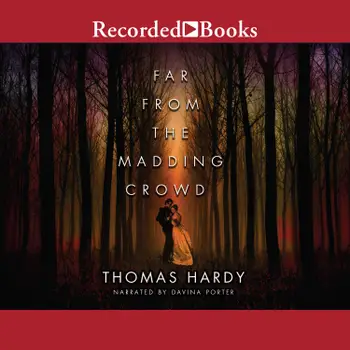
Far from the Madding Crowd
Empieza hoy con este libro por 0 €
- Disfruta de acceso completo a todos los libros de la app durante el periodo de prueba
- Sin compromiso, cancela cuando quieras
Autor/a:
Narrador/a:
Idioma:
Inglés
Formato:
- Duración:
- Fecha de publicación:
- 1/1/2019
- Editorial:
- Recorded Books, Inc.
- ISBN:
- 9781490683836
- Duración:
- 336 páginas
- Fecha de publicación:
- 6/5/2019
- Editorial:
- Ktoczyta.pl
- ISBN:
- 9788382001761
 2.0
2.050 Clásicos que Debes Leer Antes de Morir: Tu Pasaporte a los Tesoros de la Literatura Universal
Dante Alighieri, Aristóteles, Jane Austen, Charles Baudelaire, Giovanni Boccaccio, Anne Brontë, C. Collodi, James Fenimore Cooper, Fedor Mikhaïlovitch Dostoïevski, Arthur Conan Doyle, Alexandre Dumas, José de Espronceda, Gustave Flaubert, Sigmund Freud, Benito Pérez Galdós, Kahlil Gibran, Johann Wolfgang Goethe, Johann Wolfgang von Goethe, Victor Hugo, Thomas Hardy, Nathaniel Hawthorne, Vicente Blasco Ibáñez, Washington Irving, James Joyce, Mariano José de Larra, Jack London, Federico García Lorca, H.P. Lovecraft, Antonio Machado, Gustav Meyrink, John Stuart Mill, Amado Nervo, Friedrich Nietzsche, Solomon Northup, Alexander Sergeyevich Pushkin, Francisco de Quevedo, Walter Scott, William Shakespeare, Robert Louis Stevenson, Harriet Beecher Stowe, Jonathan Swift, Mark Twain, Miguel De Unamuno, Ramón María del Valle-Inclán, Julio Verne, Virginia Woolf
100 Clásicos de la Literatura: Tesoros Literarios Atemporales en un Solo Libro
Francis Scott Fitzgerald, Mary Shelley, Lyman Frank Baum, Louisa May Alcott, Dante Alighieri, Jane Austen, Ambrose Bierce, Emily Brontë, Edgar Rice Burroughs, Lewis Carroll, Wilkie Collins, René Descartes, Charles Dickens, Emily Dickinson, Alexandre Dumas, Gustave Flaubert, Benito Pérez Galdós, Johann Wolfgang von Goethe, Thomas Hardy, E T A Hoffmann, Washington Irving, Henry James, James Joyce, Franz Kafka, Gaston Leroux, Federico García Lorca, H.P. Lovecraft, Publio Virgilio Marón, Lucy Maud Montgomery, John William Polidori, Marco Polo, Antoine de Saint-Exupéry, Emilio Salgari, Walter Scott, Mark Twain, Jules Verne, H.G. Wells, Edith Wharton, Mary Wollstonecraft, Fernando de Rojas
 3.8
3.8Jude el oscuro
Thomas Hardy
 4.2
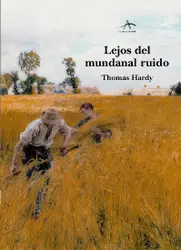
4.2Lejos del mundanal ruido
Thomas Hardy
100 Obras Maestras Que Debes Leer Antes De Morir
Francis Scott Fitzgerald, Mary Shelley, Lyman Frank Baum, Edith Nesbit, Dante Alighieri, Jane Austen, Ambrose Bierce, Emily Brontë, Edgar Rice Burroughs, Lewis Carroll, Wilkie Collins, René Descartes, Charles Dickens, Emily Dickinson, Alexandre Dumas, Gustave Flaubert, Benito Pérez Galdós, Johann Wolfgang von Goethe, Thomas Hardy, E T A Hoffmann, Washington Irving, Henry James, James Joyce, Franz Kafka, Gaston Leroux, Federico García Lorca, H.P. Lovecraft, Publio Virgilio Marón, Lucy Maud Montgomery, John William Polidori, Marco Polo, Antoine de Saint-Exupéry, Emilio Salgari, Walter Scott, Mark Twain, Jules Verne, H.G. Wells, Edith Wharton, Mary Wollstonecraft, Fernando de Rojas
100 Clásicos de la Literatura
Francis Scott Fitzgerald, Mary Shelley, Lyman Frank Baum, Louisa May Alcott, Dante Alighieri, Jane Austen, Ambrose Bierce, Emily Brontë, Edgar Rice Burroughs, Lewis Carroll, Wilkie Collins, René Descartes, Charles Dickens, Emily Dickinson, Alexandre Dumas, Gustave Flaubert, Benito Pérez Galdós, Johann Wolfgang von Goethe, Thomas Hardy, E T A Hoffmann, Washington Irving, Henry James, James Joyce, Franz Kafka, Gaston Leroux, Federico García Lorca, H.P. Lovecraft, Publio Virgilio Marón, Lucy Maud Montgomery, John William Polidori, Marco Polo, Antoine de Saint-Exupéry, Emilio Salgari, Walter Scott, Mark Twain, Jules Verne, H.G. Wells, Edith Wharton, Mary Wollstonecraft, Fernando de Rojas
100 Clásicos de la Literatura
Francis Scott Fitzgerald, Mary Shelley, Lyman Frank Baum, Joseph Sheridan Le Fanu, Dante Alighieri, Jane Austen, Ambrose Bierce, Emily Brontë, Edgar Rice Burroughs, Lewis Carroll, Wilkie Collins, René Descartes, Charles Dickens, Emily Dickinson, Alexandre Dumas, Gustave Flaubert, Benito Pérez Galdós, Johann Wolfgang von Goethe, Thomas Hardy, E T A Hoffmann, Washington Irving, Henry James, James Joyce, Franz Kafka, Gaston Leroux, Federico García Lorca, H.P. Lovecraft, Publio Virgilio Marón, Lucy Maud Montgomery, John William Polidori, Marco Polo, Antoine de Saint-Exupéry, Emilio Salgari, Walter Scott, Mark Twain, Jules Verne, H.G. Wells, Edith Wharton, Mary Wollstonecraft, Fernando de Rojas

50 Clásicos que Debes Leer Antes de Morir : Un viaje literario por los tesoros de la literatura universal
Dante Alighieri, Aristóteles, Jane Austen, Charles Baudelaire, Giovanni Boccaccio, Anne Brontë, C. Collodi, James Fenimore Cooper, Fedor Mikhaïlovitch Dostoïevski, Arthur Conan Doyle, Alexandre Dumas, José de Espronceda, Gustave Flaubert, Sigmund Freud, Benito Pérez Galdós, Kahlil Gibran, Johann Wolfgang Goethe, Johann Wolfgang von Goethe, Victor Hugo, Thomas Hardy, Nathaniel Hawthorne, Vicente Blasco Ibáñez, Washington Irving, James Joyce, Mariano José de Larra, Jack London, Federico García Lorca, H.P. Lovecraft, Antonio Machado, Gustav Meyrink, John Stuart Mill, Amado Nervo, Friedrich Nietzsche, Solomon Northup, Alexander Sergeyevich Pushkin, Francisco de Quevedo, Walter Scott, William Shakespeare, Robert Louis Stevenson, Harriet Beecher Stowe, Jonathan Swift, Mark Twain, Miguel De Unamuno, Ramón María del Valle-Inclán, Julio Verne, Virginia Woolf

Dos en una torre
Thomas Hardy

Jude el oscuro
Thomas Hardy
50 Clásicos que debes leer antes de morir
Dante Alighieri, Aristóteles, Jane Austen, Charles Baudelaire, Giovanni Boccaccio, Anne Brontë, C. Collodi, James Fenimore Cooper, Fedor Mikhaïlovitch Dostoïevski, Arthur Conan Doyle, Alexandre Dumas, José de Espronceda, Gustave Flaubert, Sigmund Freud, Benito Pérez Galdós, Kahlil Gibran, Johann Wolfgang Goethe, Johann Wolfgang von Goethe, Victor Hugo, Thomas Hardy, Nathaniel Hawthorne, Vicente Blasco Ibáñez, Washington Irving, James Joyce, Mariano José de Larra, Jack London, Federico García Lorca, H.P. Lovecraft, Antonio Machado, Gustav Meyrink, John Stuart Mill, Amado Nervo, Friedrich Nietzsche, Solomon Northup, Alexander Sergeyevich Pushkin, Francisco de Quevedo, Walter Scott, William Shakespeare, Robert Louis Stevenson, Harriet Beecher Stowe, Jonathan Swift, Mark Twain, Miguel De Unamuno, Ramón María del Valle-Inclán, Julio Verne, Virginia Woolf

El trompeta mayor : Amores y lealtades en la campiña inglesa durante la guerra napoleónica
Thomas Hardy