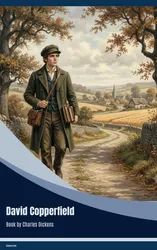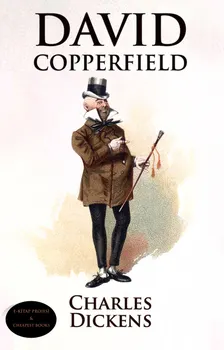
David Copperfield

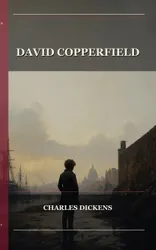
Now a grown man, David Copperfield tells the story of his youth. As a young boy, he lives happily with his mother and his nurse, Peggotty. His father died before he was born. During David’s early childhood, his mother marries the violent Mr. Murdstone, who brings his strict sister, Miss Murdstone, into the house. The Murdstones treat David cruelly, and David bites Mr. Murdstone’s hand during one beating. The Murdstones send David away to school.

David’s mother dies, and David returns home, where the Murdstones neglect him. He works at Mr. Murdstone’s wine-bottling business and moves in with Mr. Micawber, who mismanages his finances. When Mr. Micawber leaves London to escape his creditors, David decides to search for his father’s sister, Miss Betsey Trotwood—his only living relative. He walks a long distance to Miss Betsey’s home, and she takes him in on the advice of her mentally unstable friend, Mr. Dick.

Miss Betsey sends David to a school run by a man named Doctor Strong. David moves in with Mr. Wickfield and his daughter, Agnes, while he attends school. Agnes and David become best friends. Among Wickfield’s boarders is Uriah Heep, a snakelike young man who often involves himself in matters that are none of his business. David graduates and goes to Yarmouth to visit Peggotty, who is now married to Mr. Barkis, the carrier. David reflects on what profession he should pursue.

On his way to Yarmouth, David encounters James David apprentices himself at the London firm of Spenlow and Jorkins and takes up lodgings with a woman named Mrs. Crupp. Mr. Spenlow invites David to his house for a weekend. There, David meets Spenlow’s daughter, Dora, and quickly falls in love with her.

In London, David is reunited with Tommy Traddles and Mr. Micawber. Word reaches David, through Steerforth. David journeys to Yarmouth to visit Peggotty in her hour of need. Little Em’ly and Ham, now engaged, are to be married upon Mr. Barkis’s death. David, however, finds Little Em’ly upset over her impending marriage. When Mr. Barkis dies, Little Em’ly runs off with Steerforth, who she believes will make her a lady. Mr. Peggotty is devastated but vows to find Little Em’ly and bring her home.

Miss Betsey visits London to inform David that her financial security has been ruined because Mr. Wickfield has joined into a partnership with Uriah Heep. David, who has become increasingly infatuated with Dora, vows to work as hard as he can to make their life together possible. Mr. Spenlow, however, forbids Dora from marrying David. Mr. Spenlow dies in a carriage accident that night, and Dora goes to live with her two aunts. Meanwhile, Uriah Heep informs Doctor Strong that he suspects Doctor Strong’s wife, Annie, of having an affair with her young cousin, Jack Maldon.

Dora and David marry, and Dora proves a terrible housewife, incompetent in her chores. David loves her anyway and is generally happy. Mr. Dick facilitates a reconciliation between Doctor Strong and Annie, who was not, in fact, cheating on her husband. Miss Dartle, Mrs. Steerforth’s ward, summons David and informs him that Steerforth has left Little Em’ly. Miss Dartle adds that Steerforth’s servant, Littimer, has proposed to her and that Little Em’ly has run away. David and Mr. Peggotty enlist the help of Little Em’ly’s childhood friend Martha, who locates Little Em’ly and brings Mr. Peggotty to her. Little Em’ly and Mr. Peggotty decide to move to Australia, as do the Micawbers, who first save the day for Agnes and Miss Betsey by exposing Uriah Heep’s fraud against Mr. Wickfield.

A powerful storm hits Yarmouth and kills Ham while he attempts to rescue a shipwrecked sailor. The sailor turns out to be Steerforth. Meanwhile, Dora falls ill and dies. David leaves the country to travel abroad. His love for Agnes grows. When David returns, he and Agnes, who has long harbored a secret love for him, get married and have several children. David pursues his writing career with increasing commercial success.
Sobre este libro

Now a grown man, David Copperfield tells the story of his youth. As a young boy, he lives happily with his mother and his nurse, Peggotty. His father died before he was born. During David’s early childhood, his mother marries the violent Mr. Murdstone, who brings his strict sister, Miss Murdstone, into the house. The Murdstones treat David cruelly, and David bites Mr. Murdstone’s hand during one beating. The Murdstones send David away to school.

David’s mother dies, and David returns home, where the Murdstones neglect him. He works at Mr. Murdstone’s wine-bottling business and moves in with Mr. Micawber, who mismanages his finances. When Mr. Micawber leaves London to escape his creditors, David decides to search for his father’s sister, Miss Betsey Trotwood—his only living relative. He walks a long distance to Miss Betsey’s home, and she takes him in on the advice of her mentally unstable friend, Mr. Dick.

Miss Betsey sends David to a school run by a man named Doctor Strong. David moves in with Mr. Wickfield and his daughter, Agnes, while he attends school. Agnes and David become best friends. Among Wickfield’s boarders is Uriah Heep, a snakelike young man who often involves himself in matters that are none of his business. David graduates and goes to Yarmouth to visit Peggotty, who is now married to Mr. Barkis, the carrier. David reflects on what profession he should pursue.

On his way to Yarmouth, David encounters James David apprentices himself at the London firm of Spenlow and Jorkins and takes up lodgings with a woman named Mrs. Crupp. Mr. Spenlow invites David to his house for a weekend. There, David meets Spenlow’s daughter, Dora, and quickly falls in love with her.

In London, David is reunited with Tommy Traddles and Mr. Micawber. Word reaches David, through Steerforth. David journeys to Yarmouth to visit Peggotty in her hour of need. Little Em’ly and Ham, now engaged, are to be married upon Mr. Barkis’s death. David, however, finds Little Em’ly upset over her impending marriage. When Mr. Barkis dies, Little Em’ly runs off with Steerforth, who she believes will make her a lady. Mr. Peggotty is devastated but vows to find Little Em’ly and bring her home.

Miss Betsey visits London to inform David that her financial security has been ruined because Mr. Wickfield has joined into a partnership with Uriah Heep. David, who has become increasingly infatuated with Dora, vows to work as hard as he can to make their life together possible. Mr. Spenlow, however, forbids Dora from marrying David. Mr. Spenlow dies in a carriage accident that night, and Dora goes to live with her two aunts. Meanwhile, Uriah Heep informs Doctor Strong that he suspects Doctor Strong’s wife, Annie, of having an affair with her young cousin, Jack Maldon.

Dora and David marry, and Dora proves a terrible housewife, incompetent in her chores. David loves her anyway and is generally happy. Mr. Dick facilitates a reconciliation between Doctor Strong and Annie, who was not, in fact, cheating on her husband. Miss Dartle, Mrs. Steerforth’s ward, summons David and informs him that Steerforth has left Little Em’ly. Miss Dartle adds that Steerforth’s servant, Littimer, has proposed to her and that Little Em’ly has run away. David and Mr. Peggotty enlist the help of Little Em’ly’s childhood friend Martha, who locates Little Em’ly and brings Mr. Peggotty to her. Little Em’ly and Mr. Peggotty decide to move to Australia, as do the Micawbers, who first save the day for Agnes and Miss Betsey by exposing Uriah Heep’s fraud against Mr. Wickfield.

A powerful storm hits Yarmouth and kills Ham while he attempts to rescue a shipwrecked sailor. The sailor turns out to be Steerforth. Meanwhile, Dora falls ill and dies. David leaves the country to travel abroad. His love for Agnes grows. When David returns, he and Agnes, who has long harbored a secret love for him, get married and have several children. David pursues his writing career with increasing commercial success.

Empieza este libro hoy por 0 €

  • Disfruta de acceso completo a todos los libros de la app durante el periodo de prueba
  • Sin compromiso, cancela cuando quieras
Pruébalo gratis ahora
Más de 52 000 clientes han dado a Nextory 5 estrellas en la App Store y Google Play.

  1. Nuevo

    100 Obras Maestras Que Debes Leer Antes De Morir

    Francis Scott Fitzgerald, Mary Shelley, Lyman Frank Baum, Edith Nesbit, Dante Alighieri, Jane Austen, Ambrose Bierce, Emily Brontë, Edgar Rice Burroughs, Lewis Carroll, Wilkie Collins, René Descartes, Charles Dickens, Emily Dickinson, Alexandre Dumas, Gustave Flaubert, Benito Pérez Galdós, Johann Wolfgang von Goethe, Thomas Hardy, E T A Hoffmann, Washington Irving, Henry James, James Joyce, Franz Kafka, Gaston Leroux, Federico García Lorca, H.P. Lovecraft, Publio Virgilio Marón, Lucy Maud Montgomery, John William Polidori, Marco Polo, Antoine de Saint-Exupéry, Emilio Salgari, Walter Scott, Mark Twain, Jules Verne, H.G. Wells, Edith Wharton, Mary Wollstonecraft, Fernando de Rojas

  2. 100 Obras Maestras de la Literatura Universal : Edición enriquecida. Viaje intertemporal por iconos mundiales y el diálogo cultural histórico

    Johann Wolfgang von Goethe, Gustave Flaubert, Franz Kafka, Lewis Carroll, Sigmund Freud, Henrik Ibsen, Charles Dickens, Honoré de Balzac, Mark Twain, Immanuel Kant, Friedrich Schiller, Harriet Beecher Stowe, Oscar Wilde, Robert Louis Stevenson, Edgar Allan Poe, William Shakespeare, Dante Alighieri, Giovanni Boccaccio, Bram Stoker, Charlotte Brontë, Emily Brontë, Jack London, Henry James, Louisa May Alcott, Victor Hugo, Arthur Conan Doyle, Joseph Conrad, Jane Austen, José Rizal, Edgar Rice Burroughs, Herman Melville, Jonathan Swift, Gustavo Adolfo Bécquer, Vicente Blasco Ibáñez, Benito Pérez Galdós, Jean-Jacques Rousseau, Daniel Defoe, Pedro Calderón de la Barca, Virginia Woolf, Washington Irving, Juan Valera, Horacio Quiroga, Nathaniel Hawthorne, Charles Baudelaire, Wilkie Collins, William Makepeace Thackeray, Voltaire, Apuleius, Leopoldo Alas, John Milton, José Martí, Lope de Vega, Emilio Salgari, Francisco de Quevedo, Rubén Darío, Antonio Machado, José Zorrilla, Tirso de Molina, Emilia Pardo Bazán, Fernando de Rojas, L. Frank Baum, H.G. Wells, J.M. Barrie, H. Rider Haggard, H.P. Lovecraft, Seneca, Hans Christian Andersen, Friedrich Nietzsche, Mary Shelley, Baltasar Gracián, Sófocles, Sun Tzu, Fiódor Dostoyevski, Antón Chéjov, León Tolstoi, Tomás Moro, San Agustín, Nikolái Gógol, Julio Verne, Homero, Platón, Alejandro Dumas, Aristóteles, Hermanos Grimm, Jorge Isaacs, Ignacio De Loyola, Nicolás Maquiavelo, Miguel Cervantes, Teresa de Jesús, Alejandro Dumas hijo, Mijaíl Bakunin, Miguel De Unamuno, Duque de Rivas, Ramón María del Valle-Inclán, Federico García Lorca, Gibrán Jalil Gibrán

  3. 100 Obras Maestras de la Literatura Universal

    Homero, Sófocles, Platón, Aristóteles, Apuleius, Seneca, San Agustín, Sun Tzu, Teresa de Jesús, Ignacio De Loyola, Nicolás Maquiavelo, Dante Alighieri, Giovanni Boccaccio, Miguel Cervantes, Hans Christian Andersen, Hermanos Grimm, William Shakespeare, John Milton, Tomás Moro, Jean-Jacques Rousseau, Immanuel Kant, Jonathan Swift, Daniel Defoe, Charles Dickens, William Makepeace Thackeray, Jane Austen, Charlotte Brontë, Emily Brontë, Robert Louis Stevenson, Oscar Wilde, Mary Shelley, Bram Stoker, Henry James, Arthur Conan Doyle, Wilkie Collins, Joseph Conrad, H. Rider Haggard, Edgar Rice Burroughs, H.G. Wells, Edgar Allan Poe, H.P. Lovecraft, Washington Irving, Harriet Beecher Stowe, Mark Twain, Herman Melville, Jack London, Nathaniel Hawthorne, Louisa May Alcott, J.M. Barrie, Lewis Carroll, L. Frank Baum, Voltaire, Victor Hugo, Honoré de Balzac, Gustave Flaubert, Alejandro Dumas, Alejandro Dumas hijo, Julio Verne, Emilio Salgari, Johann Wolfgang von Goethe, Friedrich Schiller, Friedrich Nietzsche, Franz Kafka, Sigmund Freud, Nikolái Gógol, Fiódor Dostoyevski, León Tolstoi, Antón Chéjov, Mijaíl Bakunin, Virginia Woolf, Fernando de Rojas, Lope de Vega, Tirso de Molina, Francisco de Quevedo, Pedro Calderón de la Barca, Baltasar Gracián, José Zorrilla, Vicente Blasco Ibáñez, Juan Valera, Leopoldo Alas, Benito Pérez Galdós, Miguel De Unamuno, Emilia Pardo Bazán, Duque de Rivas, José Martí, Antonio Machado, Ramón María del Valle-Inclán, Jorge Isaacs, Horacio Quiroga, Federico García Lorca, Gustavo Adolfo Bécquer, Rubén Darío, Charles Baudelaire, Henrik Ibsen, Gibrán Jalil Gibrán, José Rizal

  4. 100 Clásicos de la Literatura

    Francis Scott Fitzgerald, Mary Shelley, Lyman Frank Baum, Louisa May Alcott, Dante Alighieri, Jane Austen, Ambrose Bierce, Emily Brontë, Edgar Rice Burroughs, Lewis Carroll, Wilkie Collins, René Descartes, Charles Dickens, Emily Dickinson, Alexandre Dumas, Gustave Flaubert, Benito Pérez Galdós, Johann Wolfgang von Goethe, Thomas Hardy, E T A Hoffmann, Washington Irving, Henry James, James Joyce, Franz Kafka, Gaston Leroux, Federico García Lorca, H.P. Lovecraft, Publio Virgilio Marón, Lucy Maud Montgomery, John William Polidori, Marco Polo, Antoine de Saint-Exupéry, Emilio Salgari, Walter Scott, Mark Twain, Jules Verne, H.G. Wells, Edith Wharton, Mary Wollstonecraft, Fernando de Rojas

  5. 4.8

    Nicholas Nickleby

    Charles Dickens

  6. Grandes Esperanzas

    Charles Dickens

  7. 100 Obras Maestras de la Literatura Universal : Edición enriquecida. Explorando la diversidad literaria a lo largo de los siglos

    Johann Wolfgang von Goethe, Gustave Flaubert, Franz Kafka, Lewis Carroll, Sigmund Freud, Henrik Ibsen, Charles Dickens, Honoré de Balzac, Mark Twain, Immanuel Kant, Friedrich Schiller, Harriet Beecher Stowe, Oscar Wilde, Robert Louis Stevenson, Edgar Allan Poe, William Shakespeare, Dante Alighieri, Giovanni Boccaccio, Bram Stoker, Charlotte Brontë, Emily Brontë, Jack London, Henry James, Louisa May Alcott, Victor Hugo, Arthur Conan Doyle, Joseph Conrad, Jane Austen, José Rizal, Edgar Rice Burroughs, Herman Melville, Jonathan Swift, Gustavo Adolfo Bécquer, Vicente Blasco Ibáñez, Benito Pérez Galdós, Jean-Jacques Rousseau, Daniel Defoe, Pedro Calderón de la Barca, Virginia Woolf, Washington Irving, Juan Valera, Horacio Quiroga, Nathaniel Hawthorne, Charles Baudelaire, Wilkie Collins, William Makepeace Thackeray, Voltaire, Apuleius, Leopoldo Alas, John Milton, José Martí, Lope de Vega, Emilio Salgari, Francisco de Quevedo, Rubén Darío, Antonio Machado, José Zorrilla, Tirso de Molina, Emilia Pardo Bazán, Fernando de Rojas, L. Frank Baum, H.G. Wells, J.M. Barrie, H. Rider Haggard, H.P. Lovecraft, Seneca, Hans Christian Andersen, Friedrich Nietzsche, Mary Shelley, Baltasar Gracián, Sófocles, Sun Tzu, Fiódor Dostoyevski, Antón Chéjov, León Tolstoi, Tomás Moro, San Agustín, Nikolái Gógol, Julio Verne, Homero, Platón, Alejandro Dumas, Aristóteles, Hermanos Grimm, Jorge Isaacs, Ignacio De Loyola, Nicolás Maquiavelo, Miguel Cervantes, Teresa de Jesús, Alejandro Dumas hijo, Mijaíl Bakunin, Miguel De Unamuno, Duque de Rivas, Ramón María del Valle-Inclán, Federico García Lorca, Gibrán Jalil Gibrán

  8. 100 Obras Maestras Que Debes Leer Antes De Morir

    Francis Scott Fitzgerald, Mary Shelley, Lyman Frank Baum, Edith Nesbit, Dante Alighieri, Jane Austen, Ambrose Bierce, Emily Brontë, Edgar Rice Burroughs, Lewis Carroll, Wilkie Collins, René Descartes, Charles Dickens, Emily Dickinson, Alexandre Dumas, Gustave Flaubert, Benito Pérez Galdós, Johann Wolfgang von Goethe, Thomas Hardy, E T A Hoffmann, Washington Irving, Henry James, James Joyce, Franz Kafka, Gaston Leroux, Federico García Lorca, H.P. Lovecraft, Publio Virgilio Marón, Lucy Maud Montgomery, John William Polidori, Marco Polo, Antoine de Saint-Exupéry, Emilio Salgari, Walter Scott, Mark Twain, Jules Verne, H.G. Wells, Edith Wharton, Mary Wollstonecraft, Fernando de Rojas

  9. 4.2

    Oliver Twist

    Charles Dickens

  10. 4.3

    Cuento de Navidad

    Charles Dickens

  11. Historia de dos ciudades : Une Novela histórica

    Charles Dickens

  12. 4.0

    Historia de dos ciudades

    Charles Dickens


Categorías relacionadas