Oliver Twist doesn't ask for much - just a little more. When a hungry orphan speaks up, he's hurled from the workhouse into London's maze of alleys, where charm comes cheap and danger wears a friendly grin. Scooped up by a nimble crew of pickpockets and their smooth-talking handler, Oliver must navigate smoky dens, sudden kindnesses, and close calls - keeping hold of a stubborn belief that goodness can still win out. Dickens turns the city into a living, breathing character: noisy, funny, menacing, and impossible to forget. This is a tale of found family, slippery morals, and a boy who refuses to let the world decide who he is.
Oliver Twist doesn't ask for much - just a little more. When a hungry orphan speaks up, he's hurled from the workhouse into London's maze of alleys, where charm comes cheap and danger wears a friendly grin. Scooped up by a nimble crew of pickpockets and their smooth-talking handler, Oliver must navigate smoky dens, sudden kindnesses, and close calls - keeping hold of a stubborn belief that goodness can still win out. Dickens turns the city into a living, breathing character: noisy, funny, menacing, and impossible to forget. This is a tale of found family, slippery morals, and a boy who refuses to let the world decide who he is.
Empieza este libro hoy por 0 €
Disfruta de acceso completo a todos los libros de la app durante el periodo de prueba
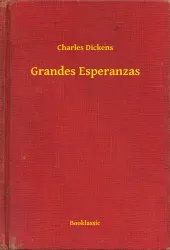
Charles Dickens (Portsmuth, 1812 – Gadshill, 1870) ha llegado hasta nosotros como el autor más importante e influyente de la literatura victoriana. Sus obras y su peripecia personal, íntimamente relacionadas, plasmaron no sólo el pulso social de su época, también el terrible estado moral de una sociedad atrapada en la desigualdad y las convenciones. Dickens experimentó la miseria, el éxito popular, la cárcel, el hambre... sólo logró cumplir con el más íntimo de sus anhelos, la libertad, entregándose a la literatura. Aunque muchas de sus obras gozaron de un extraordinario favor popular, baste decir que muchas de ellas fueron publicadas por entregas, en formato folletín; serían las críticas entusiastas de George Gissing y G. K. Chesterton las que encumbrarían a Dickens como el autor más importante de la literatura inglesa del siglo XIX.