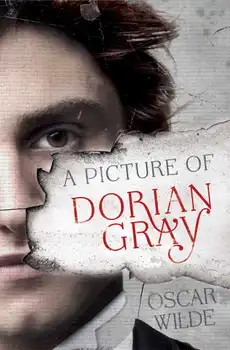
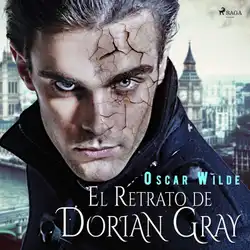
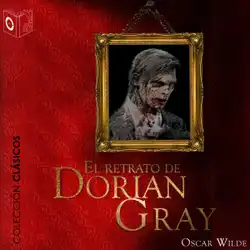
Dorian Gray's extraordinary beauty wins the admiration of an artist who begins painting portraits of him, all but one depicting him as an ancient hero.
This single portrait is of Dorian in his very essence; an honest depiction of his character and beauty. But when someone tells Dorian that beauty fades, he begins to see the portrait as a menacing thing, which will inevitably remind him of the beauty he once had.
Dorian pledges his soul for a critical exchange: that the picture bears the burden of ageing and dishonour, and that he stays young and beautiful forever.
As Dorian indulges in the most hedonistic of lifestyles, exploiting his own beauty and completely disbarring all morality, the portrait grows uglier and older while he shows no signs of physical degradation. Dorian Grayis a story of extreme selfishness, masked by the appeal of eternal beauty.
Empieza hoy con este libro por 0 €
Disfruta de acceso completo a todos los libros de la app durante el periodo de prueba
Novelista, poeta, crítico literario y autor teatral de origen irlandés, gran exponente del esteticismo, Oscar Wilde conoció el éxito desde sus comienzos gracias al ingenio punzante y epigramático que derrochó en sus obras, dedicadas casi siempre a fustigar a sus contemporáneos. Defensor del arte por el arte, sus relatos repletos de diálogos vivos y cargados de ironía provocaron feroces críticas de los sectores conservadores, que se acentuaron cuando Wilde fue acusado y condenado por su homosexualidad, lo que originó el declive de su carrera literaria y de su vida personal. Entre sus obras destacan las cuatro comedias teatrales El abanico de lady Windermere (1892), Una mujer sin importancia (1893), Un marido ideal (1895) y La importancia de llamarse Ernesto (1895), El fantasma de Canterville o El retrato de Dorian Gray, su única novela.