4.5(6)

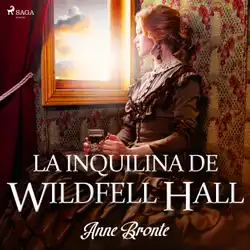
The Tenant of Wildfell Hall : Enriched edition. Romance Novel

In "The Tenant of Wildfell Hall," Anne Brontë crafts a compelling narrative that boldly explores the complexities of gender, morality, and societal norms in early 19th-century England. The novel's epistolary structure and rich character development reflect Brontë's keen insight into human behavior and her critique of the limitations imposed on women, particularly regarding marriage and independence. Through the character of Helen Graham, a mysterious widow who defies social conventions, Brontë tackles controversial themes such as alcoholism, domestic abuse, and the struggle for self-identity, making the work not only a pivotal feminist text but also a profound psychological study. Anne Brontë, the youngest of the illustrious Brontë sisters, was an early advocate for women's rights and used her writing to challenge the status quo. Having observed the harsh realities faced by women in a patriarchal society, particularly through her own experiences and her sisters' literary careers, Brontë was driven to depict the struggles of women seeking autonomy and respect in her novels. Her firsthand knowledge of the complexities of rural life and the limitations placed upon women shaped the urgent and persuasive voice found in this work. "The Tenant of Wildfell Hall" remains a vital contribution to feminist literature and is essential reading for anyone interested in the evolution of women's roles in literature. Brontë's fearless exploration of societal constraints offers modern readers a lens through which to examine issues of gender and power, making this novel both timeless and groundbreaking. Its rich narrative and multifaceted characters invite readers to engage with the moral dilemmas of both past and contemporary society.

In this enriched edition, we have carefully created added value for your reading experience:

- A succinct Introduction situates the work's timeless appeal and themes.

- The Synopsis outlines the central plot, highlighting key developments without spoiling critical twists.

- A detailed Historical Context immerses you in the era's events and influences that shaped the writing.

- An Author Biography reveals milestones in the author's life, illuminating the personal insights behind the text.

- A thorough Analysis dissects symbols, motifs, and character arcs to unearth underlying meanings.

- Reflection questions prompt you to engage personally with the work's messages, connecting them to modern life.

- Hand‐picked Memorable Quotes shine a spotlight on moments of literary brilliance.

- Interactive footnotes clarify unusual references, historical allusions, and archaic phrases for an effortless, more informed read.

Sobre este libro

In "The Tenant of Wildfell Hall," Anne Brontë crafts a compelling narrative that boldly explores the complexities of gender, morality, and societal norms in early 19th-century England. The novel's epistolary structure and rich character development reflect Brontë's keen insight into human behavior and her critique of the limitations imposed on women, particularly regarding marriage and independence. Through the character of Helen Graham, a mysterious widow who defies social conventions, Brontë tackles controversial themes such as alcoholism, domestic abuse, and the struggle for self-identity, making the work not only a pivotal feminist text but also a profound psychological study. Anne Brontë, the youngest of the illustrious Brontë sisters, was an early advocate for women's rights and used her writing to challenge the status quo. Having observed the harsh realities faced by women in a patriarchal society, particularly through her own experiences and her sisters' literary careers, Brontë was driven to depict the struggles of women seeking autonomy and respect in her novels. Her firsthand knowledge of the complexities of rural life and the limitations placed upon women shaped the urgent and persuasive voice found in this work. "The Tenant of Wildfell Hall" remains a vital contribution to feminist literature and is essential reading for anyone interested in the evolution of women's roles in literature. Brontë's fearless exploration of societal constraints offers modern readers a lens through which to examine issues of gender and power, making this novel both timeless and groundbreaking. Its rich narrative and multifaceted characters invite readers to engage with the moral dilemmas of both past and contemporary society.

In this enriched edition, we have carefully created added value for your reading experience:

- A succinct Introduction situates the work's timeless appeal and themes.

- The Synopsis outlines the central plot, highlighting key developments without spoiling critical twists.

- A detailed Historical Context immerses you in the era's events and influences that shaped the writing.

- An Author Biography reveals milestones in the author's life, illuminating the personal insights behind the text.

- A thorough Analysis dissects symbols, motifs, and character arcs to unearth underlying meanings.

- Reflection questions prompt you to engage personally with the work's messages, connecting them to modern life.

- Hand‐picked Memorable Quotes shine a spotlight on moments of literary brilliance.

- Interactive footnotes clarify unusual references, historical allusions, and archaic phrases for an effortless, more informed read.
Empieza este libro hoy por 0 €

  • Disfruta de acceso completo a todos los libros de la app durante el periodo de prueba
  • Sin compromiso, cancela cuando quieras
Pruébalo gratis ahora
Más de 52 000 clientes han dado a Nextory 5 estrellas en la App Store y Google Play.

  1. 50 Clásicos que debes leer antes de morir : Las Obras Inmortales de la Literatura Universal en un Solo Volumen

    Dante Alighieri, Aristóteles, Jane Austen, Charles Baudelaire, Giovanni Boccaccio, Anne Brontë, C. Collodi, James Fenimore Cooper, Fedor Mikhaïlovitch Dostoïevski, Arthur Conan Doyle, Alexandre Dumas, José de Espronceda, Gustave Flaubert, Sigmund Freud, Benito Pérez Galdós, Kahlil Gibran, Johann Wolfgang Goethe

  2. 50 Clásicos que Debes Leer Antes de Morir : Un viaje literario por los tesoros de la literatura universal

    Dante Alighieri, Aristóteles, Jane Austen, Charles Baudelaire, Giovanni Boccaccio, Anne Brontë, C. Collodi, James Fenimore Cooper, Fedor Mikhaïlovitch Dostoïevski, Arthur Conan Doyle, Alexandre Dumas, José de Espronceda, Gustave Flaubert, Sigmund Freud, Benito Pérez Galdós, Kahlil Gibran, Johann Wolfgang Goethe, Johann Wolfgang von Goethe, Victor Hugo, Thomas Hardy, Nathaniel Hawthorne, Vicente Blasco Ibáñez, Washington Irving, James Joyce, Mariano José de Larra, Jack London, Federico García Lorca, H.P. Lovecraft, Antonio Machado, Gustav Meyrink, John Stuart Mill, Amado Nervo, Friedrich Nietzsche, Solomon Northup, Alexander Sergeyevich Pushkin, Francisco de Quevedo, Walter Scott, William Shakespeare, Robert Louis Stevenson, Harriet Beecher Stowe, Jonathan Swift, Mark Twain, Miguel De Unamuno, Ramón María del Valle-Inclán, Julio Verne, Virginia Woolf

  3. 4.1

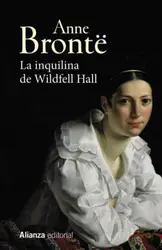
    La inquilina de Wildfell Hall

    Anne Brontë

  4. Jane Austen y Hermanas Brontë - Novelas Completas : Orgullo y Prejuicio, Sentido y Sensibilidad, Emma, Persuasión, Jane Eyre, Cumbres borrascosas, La inquilina de Wildfell Hall

    Jane Austen, Charlotte Brontë, Emily Brontë, Anne Brontë

  5. 2.0

    50 Clásicos que Debes Leer Antes de Morir: Tu Pasaporte a los Tesoros de la Literatura Universal

    Dante Alighieri, Aristóteles, Jane Austen, Charles Baudelaire, Giovanni Boccaccio, Anne Brontë, C. Collodi, James Fenimore Cooper, Fedor Mikhaïlovitch Dostoïevski, Arthur Conan Doyle, Alexandre Dumas, José de Espronceda, Gustave Flaubert, Sigmund Freud, Benito Pérez Galdós, Kahlil Gibran, Johann Wolfgang Goethe, Johann Wolfgang von Goethe, Victor Hugo, Thomas Hardy, Nathaniel Hawthorne, Vicente Blasco Ibáñez, Washington Irving, James Joyce, Mariano José de Larra, Jack London, Federico García Lorca, H.P. Lovecraft, Antonio Machado, Gustav Meyrink, John Stuart Mill, Amado Nervo, Friedrich Nietzsche, Solomon Northup, Alexander Sergeyevich Pushkin, Francisco de Quevedo, Walter Scott, William Shakespeare, Robert Louis Stevenson, Harriet Beecher Stowe, Jonathan Swift, Mark Twain, Miguel De Unamuno, Ramón María del Valle-Inclán, Julio Verne, Virginia Woolf

  6. 4.1

    La inquilina de Wildfell Hall

    Anne Brontë

  7. 50 Clásicos que debes leer antes de morir

    Dante Alighieri, Aristóteles, Jane Austen, Charles Baudelaire, Giovanni Boccaccio, Anne Brontë, C. Collodi, James Fenimore Cooper, Fedor Mikhaïlovitch Dostoïevski, Arthur Conan Doyle, Alexandre Dumas, José de Espronceda, Gustave Flaubert, Sigmund Freud, Benito Pérez Galdós, Kahlil Gibran, Johann Wolfgang Goethe, Johann Wolfgang von Goethe, Victor Hugo, Thomas Hardy, Nathaniel Hawthorne, Vicente Blasco Ibáñez, Washington Irving, James Joyce, Mariano José de Larra, Jack London, Federico García Lorca, H.P. Lovecraft, Antonio Machado, Gustav Meyrink, John Stuart Mill, Amado Nervo, Friedrich Nietzsche, Solomon Northup, Alexander Sergeyevich Pushkin, Francisco de Quevedo, Walter Scott, William Shakespeare, Robert Louis Stevenson, Harriet Beecher Stowe, Jonathan Swift, Mark Twain, Miguel De Unamuno, Ramón María del Valle-Inclán, Julio Verne, Virginia Woolf

  8. Las hermanas Brontë - Obras completas : Jane Eyre, Shirley, Villette, El profesor, Cumbres borrascosas, Agnes Grey, La inquilina de Wildfell Hall

    Charlotte Brontë, Anne Brontë, Emily Brontë

  9. 5.0

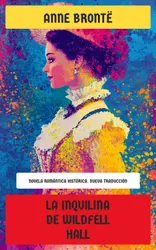
    La inquilina de Wildfell Hall : Novela romántica histórica

    Anne Brontë

  10. 5.0
    #2

    Agnes Grey

    Anne Brontë

  11. 50 Clásicos que debes leer antes de morir

    Dante Alighieri, Aristóteles, Jane Austen, Charles Baudelaire, Giovanni Boccaccio, Anne Brontë, C. Collodi, James Fenimore Cooper, Fedor Mikhaïlovitch Dostoïevski, Arthur Conan Doyle, Alexandre Dumas, José de Espronceda, Gustave Flaubert, Sigmund Freud, Benito Pérez Galdós, Kahlil Gibran, Johann Wolfgang Goethe, Johann Wolfgang von Goethe, Victor Hugo, Thomas Hardy, Nathaniel Hawthorne, Vicente Blasco Ibáñez, Washington Irving, James Joyce, Mariano José de Larra, Jack London, Federico García Lorca, H.P. Lovecraft, Antonio Machado, Gustav Meyrink, John Stuart Mill, Amado Nervo, Friedrich Nietzsche, Solomon Northup, Alexander Sergeyevich Pushkin, Francisco de Quevedo, Walter Scott, William Shakespeare, Robert Louis Stevenson, Harriet Beecher Stowe, Jonathan Swift, Mark Twain, Miguel De Unamuno, Ramón María del Valle-Inclán, Julio Verne, Virginia Woolf

  12. 50 Clásicos que debes leer antes de morir

    Dante Alighieri, Aristóteles, Jane Austen, Charles Baudelaire, Giovanni Boccaccio, Anne Brontë, C. Collodi, James Fenimore Cooper, Fedor Mikhaïlovitch Dostoïevski, Arthur Conan Doyle, Alexandre Dumas, José de Espronceda, Gustave Flaubert, Sigmund Freud, Benito Pérez Galdós, Kahlil Gibran, Johann Wolfgang Goethe, Johann Wolfgang von Goethe, Victor Hugo, Thomas Hardy, Nathaniel Hawthorne, Vicente Blasco Ibáñez, Washington Irving, James Joyce, Mariano José de Larra, Jack London, Federico García Lorca, H.P. Lovecraft, Antonio Machado, Gustav Meyrink, John Stuart Mill, Amado Nervo, Friedrich Nietzsche, Solomon Northup, Alexander Sergeyevich Pushkin, Francisco de Quevedo, Walter Scott, William Shakespeare, Robert Louis Stevenson, Harriet Beecher Stowe, Jonathan Swift, Mark Twain, Miguel De Unamuno, Ramón María del Valle-Inclán, Julio Verne, Virginia Woolf