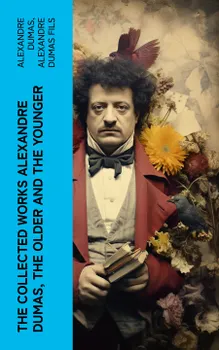
The Collected Works Alexandre Dumas, The Older and The Younger brings together two major nineteenth-century French literary temperaments: the expansive historical imagination of Dumas père and the psychologically acute social drama of Dumas fils. Across romance, adventure, melodrama, and moral inquiry, the volume situates works such as The Three Musketeers, The Count of Monte Cristo, and La Dame aux Camélias within a shared continuum of popular narrative and serious cultural reflection. Father and son wrote from distinct yet intertwined positions in French literary history. The elder Dumas helped define the feuilleton tradition, transforming history into dynamic scenes of loyalty, vengeance, intrigue, and theatrical energy. The younger Dumas, shaped by post-Romantic realism and the social concerns of the Second Empire, turned toward questions of gender, respectability, desire, and hypocrisy. Together, their voices illuminate the movement from Romantic spectacle to modern social critique. This collection is ideal for readers seeking both breadth and contrast within a single literary lineage. It offers an exceptional opportunity to trace changing forms of French storytelling, from swashbuckling historical adventure to intimate ethical drama. Rich in narrative vitality and cultural insight, the volume invites renewed dialogue between two writers whose works continue to shape the global imagination.
This enriched edition has been carefully crafted to add value to your reading experience.
- An Introduction draws the threads together, discussing why these diverse authors and texts belong in one collection.
- Historical Context explores the cultural and intellectual currents that shaped these works, offering insight into the shared (or contrasting) eras that influenced each writer.
- A combined Synopsis (Selection) briefly outlines the key plots or arguments of the included pieces, helping readers grasp the anthology's overall scope without giving away essential twists.
- A collective Analysis highlights common themes, stylistic variations, and significant crossovers in tone and technique, tying together writers from different backgrounds.
- Reflection questions encourage readers to compare the different voices and perspectives within the collection, fostering a richer understanding of the overarching conversation.