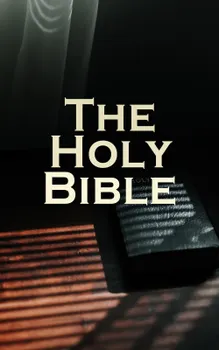
The Holy Bible is a vast anthology of sacred writings comprising law, narrative history, poetry, prophecy, wisdom literature, gospel, epistle, and apocalyptic vision. Its literary range extends from the spare grandeur of Genesis and Exodus to the lyric intensity of the Psalms, the moral drama of the Prophets, and the theological argumentation of Paul. Formed across centuries, it stands at the center of Jewish and Christian traditions and has profoundly shaped Western literature, ethics, art, and political thought. Its authorship is multiple and layered: priests, prophets, poets, sages, evangelists, and early Christian teachers contributed texts rooted in distinct historical crises, communal memories, and acts of worship. The Hebrew Bible reflects ancient Israel's covenantal self-understanding, exile, restoration, and hope, while the New Testament emerges from the life of Jesus of Nazareth and the missionary expansion of the early church. This book is indispensable for readers of religion, history, literature, and culture. Whether approached devotionally, academically, or aesthetically, it rewards patient reading with unmatched narrative depth, moral seriousness, and enduring questions about God, humanity, suffering, justice, and redemption.
This enriched edition has been carefully crafted to add value to your reading experience.
- An Introduction draws the threads together, discussing why these diverse authors and texts belong in one collection.
- Historical Context explores the cultural and intellectual currents that shaped these works, offering insight into the shared (or contrasting) eras that influenced each writer.
- A combined Synopsis (Selection) briefly outlines the key plots or arguments of the included pieces, helping readers grasp the anthology's overall scope without giving away essential twists.
- A collective Analysis highlights common themes, stylistic variations, and significant crossovers in tone and technique, tying together writers from different backgrounds.
- Reflection questions encourage readers to compare the different voices and perspectives within the collection, fostering a richer understanding of the overarching conversation.