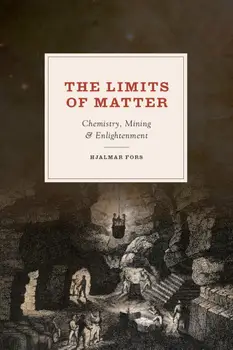
The Limits of Matter : Chemistry, Mining & Enlightenment

During the seventeenth and eighteenth centuries, Europeans raised a number of questions about the nature of reality and found their answers to be different from those that had satisfied their forebears. They discounted tales of witches, trolls, magic, and miraculous transformations and instead began looking elsewhere to explain the world around them. In The Limits of Matter, Hjalmar Fors investigates how conceptions of matter changed during the Enlightenment and pins this important change in European culture to the formation of the modern discipline of chemistry.

Fors reveals how, early in the eighteenth century, chemists began to view metals no longer as the ingredients for "chrysopoeia"—or gold making—but as elemental substances, or the basic building blocks of matter. At the center of this emerging idea, argues Fors, was the Bureau of Mines of the Swedish State, which saw the practical and profitable potential of these materials in the economies of mining and smelting.

By studying the chemists at the Swedish Bureau of Mines and their networks, and integrating their practices into the wider European context, Fors illustrates how they and their successors played a significant role in the development of our modern notion of matter and made a significant contribution to the modern European view of reality.

Über dieses Buch

During the seventeenth and eighteenth centuries, Europeans raised a number of questions about the nature of reality and found their answers to be different from those that had satisfied their forebears. They discounted tales of witches, trolls, magic, and miraculous transformations and instead began looking elsewhere to explain the world around them. In The Limits of Matter, Hjalmar Fors investigates how conceptions of matter changed during the Enlightenment and pins this important change in European culture to the formation of the modern discipline of chemistry.

Fors reveals how, early in the eighteenth century, chemists began to view metals no longer as the ingredients for "chrysopoeia"—or gold making—but as elemental substances, or the basic building blocks of matter. At the center of this emerging idea, argues Fors, was the Bureau of Mines of the Swedish State, which saw the practical and profitable potential of these materials in the economies of mining and smelting.

By studying the chemists at the Swedish Bureau of Mines and their networks, and integrating their practices into the wider European context, Fors illustrates how they and their successors played a significant role in the development of our modern notion of matter and made a significant contribution to the modern European view of reality.

Starte noch heute mit diesem Buch für € 0

  • Hole dir während der Testphase vollen Zugriff auf alle Bücher in der App
  • Keine Verpflichtungen, jederzeit kündbar
Jetzt kostenlos testen
Mehr als 52 000 Menschen haben Nextory im App Store und auf Google Play 5 Sterne gegeben.