4.0(3)

Tristram Shandy

Laurence Sterne's "Tristram Shandy" is a groundbreaking work of 18th-century English literature that defies conventional narrative structure and explores the complexities of time, identity, and human folly. Written in an experimental and often digressive style, the novel meanders through the life of its protagonist, Tristram, presenting a rich tapestry of anecdotes, philosophical musings, and humorous asides. Sterne employs a conversational tone punctuated by typographical innovations, making the reading experience both playful and intellectually stimulating, thus positioning the novel as a precursor to the modernist narrative form. Laurence Sterne, an Anglican clergyman, turned to writing after a life marked by personal upheaval and a keen observation of human nature. His experiences in a turbulent society and the contrast between his clerical duties and artistic ambitions informed his distinctive literary voice. Sterne's ability to blend humor with deep philosophical inquiry reflects his background in the emerging Enlightenment thought, offering readers a unique perspective on identity and existence during a transformative period in English literature. "Tristram Shandy" is highly recommended for readers seeking an insightful and humorous examination of life's absurdities. Its unconventional style and profound themes invite readers to reflect on their experiences while appreciating the artistic liberties Sterne took to challenge narrative norms. This timeless work remains a vital exploration of how stories shape our understanding of ourselves.

Über dieses Buch

Laurence Sterne's "Tristram Shandy" is a groundbreaking work of 18th-century English literature that defies conventional narrative structure and explores the complexities of time, identity, and human folly. Written in an experimental and often digressive style, the novel meanders through the life of its protagonist, Tristram, presenting a rich tapestry of anecdotes, philosophical musings, and humorous asides. Sterne employs a conversational tone punctuated by typographical innovations, making the reading experience both playful and intellectually stimulating, thus positioning the novel as a precursor to the modernist narrative form. Laurence Sterne, an Anglican clergyman, turned to writing after a life marked by personal upheaval and a keen observation of human nature. His experiences in a turbulent society and the contrast between his clerical duties and artistic ambitions informed his distinctive literary voice. Sterne's ability to blend humor with deep philosophical inquiry reflects his background in the emerging Enlightenment thought, offering readers a unique perspective on identity and existence during a transformative period in English literature. "Tristram Shandy" is highly recommended for readers seeking an insightful and humorous examination of life's absurdities. Its unconventional style and profound themes invite readers to reflect on their experiences while appreciating the artistic liberties Sterne took to challenge narrative norms. This timeless work remains a vital exploration of how stories shape our understanding of ourselves.
Starte noch heute mit diesem Buch für € 0

  • Hole dir während der Testphase vollen Zugriff auf alle Bücher in der App
  • Keine Verpflichtungen, jederzeit kündbar
Jetzt kostenlos testen
Mehr als 52 000 Menschen haben Nextory im App Store und auf Google Play 5 Sterne gegeben.

  1. 100 Meisterwerke der englischen Literatur - Klassiker, die man kennen muss

    George Orwell, Charles Dickens, Jane Austen, Katherine Mansfield, H.P. Lovecraft, William Wordsworth, John Keats, Percy Bysshe Shelley, Robert Burns, John Milton, William Shakespeare, Christopher Marlowe, Geoffrey Chaucer, Laurence Sterne, Henry Fielding, Mary Shelley, Emily Brontë, Charlotte Brontë, Anne Brontë, William Makepeace Thackeray, George Eliot, D. H. Lawrence, Herman Melville, Thomas Wolfe, Virginia Woolf, Joseph Conrad, Sinclair Lewis, Walt Whitman, Edgar Allan Poe, Oscar Wilde, Jerome K Jerome, Washington Irving, Bram Stoker, H.G. Wells, Daniel Defoe, Lew Wallace, James Fenimore Cooper, Jonathan Swift, Robert Louis Stevenson, Mark Twain, Lewis Carrol, Edward Bulwer-Lytton, F. Scott Fitzgerald, Arthur Conan Doyle, Jack London, Henry David Thoreau, G.K. Chesterton, Edith Wharton, Henry James, Thomas Hardy, Margaret Mitchell, Kate Chopin, Willa Cather, Charlotte Perkins Gilman, James Joyce, John Galsworthy, Francis Hodgson Burnett, Lucy Maud Montgomery, Louisa May Alcott, Rudyard Kipling

  2. 5.0

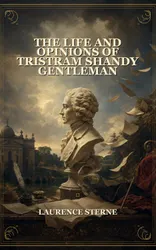
    The Life And Opinions Of Tristram Shandy Gentleman

    Laurence Sterne

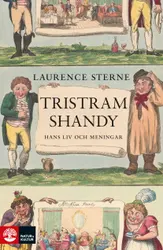
  3. Tristram Shandy : hans liv och meningar

    Laurence Sterne

  4. Einige Titelbilder sind nur für angemeldete Benutzer sichtbar
    5.0

    Viaje sentimental por Francia e Italia

    Laurence Sterne

  5. Auf dem Weg zum Mannsein: Prägende Bildungsromane : Martin Eden, Schuld und Sühne, Der Grüne Heinrich, Tom Jones, Die Verwirrungen des Zöglings Törleß, Die Abenteuer des Huckleberry Finn

    Fjodor Michailowitsch Dostojewski, Charles Dickens, Henry Fielding, Jack London, Gottfried Keller, Voltaire, Jean-Jacques Rousseau, Johann Wolfgang von Goethe, Christoph Martin Wieland, Laurence Sterne, Selma Lagerlöf, Frances Hodgson Burnett, Mark Twain, Rudyard Kipling, Gustave Flaubert, Paul Scheerbart, Andre Gide, Adalbert Stifter, Robert Musil

  6. Von Jungen zu Männern: Klassische Bildungsromane der Literatur : Der Grüne Heinrich, Tom Jones, Die Verwirrungen des Zöglings Törleß, Martin Eden, Rot und Schwarz, Kandid, Der Graf von Monte Christo

    Jack London, Gottfried Keller, Voltaire, Jean-Jacques Rousseau, Johann Wolfgang von Goethe, Christoph Martin Wieland, Laurence Sterne, Charles Dickens, Selma Lagerlöf, Frances Hodgson Burnett, Mark Twain, Rudyard Kipling, Henry Fielding, Fjodor Michailowitsch Dostojewski, Gustave Flaubert, Paul Scheerbart, Andre Gide, Adalbert Stifter, Robert Musil, Alexandre Dumas

  7. Große Klassiker der englischen Literatur : Bereicherte Ausgabe. Die Vielfalt englischer Literatur: Ein Schatz literarischer Meisterwerke

    Charles Dickens, Mark Twain, Harriet Beecher Stowe, Oscar Wilde, Robert Louis Stevenson, Edgar Allan Poe, Charlotte Brontë, Emily Brontë, Henry David Thoreau, Arthur Conan Doyle, Frances Hodgson Burnett, Joseph Conrad, Jane Austen, Herman Melville, George Eliot, Walter Scott, Laurence Sterne, Jonathan Swift, Daniel Defoe, Henry Fielding, Rudyard Kipling, Bret Harte, Ambrose Bierce, Washington Irving, Nathaniel Hawthorne, Wilkie Collins, O.Henry, William Makepeace Thackeray, Edgar Wallace, G.K. Chesterton, Thomas Wolfe, T. E. Lawrence, Lewis Carrol

  8. Die großen Klassiker der englischen Literatur (40+ Titel in einem Buch) : Bereicherte Ausgabe. Ein literarisches Kaleidoskop englischer Meisterwerke

    Charles Dickens, Mark Twain, Harriet Beecher Stowe, Oscar Wilde, Robert Louis Stevenson, Edgar Allan Poe, Charlotte Brontë, Emily Brontë, Henry David Thoreau, Arthur Conan Doyle, Frances Hodgson Burnett, Joseph Conrad, Jane Austen, Herman Melville, George Eliot, Walter Scott, Laurence Sterne, Jonathan Swift, Daniel Defoe, Henry Fielding, Rudyard Kipling, Bret Harte, Ambrose Bierce, Washington Irving, Nathaniel Hawthorne, Wilkie Collins, O.Henry, William Makepeace Thackeray, Edgar Wallace, G.K. Chesterton, Thomas Wolfe, T. E. Lawrence, Lewis Carrol

  9. Leben und Ansichten von Tristram Shandy, Gentleman : Bereicherte Ausgabe. Leben und Meinungen des Herrn Tristram Shandy

    Laurence Sterne

  10. Die größten Bildungsromane der Weltliteratur : Martin Eden, Die Verwirrungen des Zöglings Törleß, Jane Eyre, Der Grüne Heinrich, Wilhelm Meister, Kandid

    Jean-Jacques Rousseau, Johann Wolfgang von Goethe, Charlotte Brontë, Stendhal, Charles Dickens, Christoph Martin Wieland, Robert Musil, Fjodor Michailowitsch Dostojewski, Jack London, Gottfried Keller, Voltaire, Daniel Defoe, Gustave Flaubert, Alessandro Manzoni, Frances Hodgson Burnett, Mark Twain, Henry Fielding, John Cleland, Lou Andreas-Salomé, Adalbert Stifter, Emile Zola, Waldemar Bonsels, Rudyard Kipling, Laurence Sterne, Selma Lagerlöf, Paul Scheerbart, Andre Gide, D. H. Lawrence, Charles-Louis Philippe

  11. Unvergessliche Reisen der Selbstfindung: Klassiker des Entwicklungsromans : Die Verwirrungen des Zöglings Törleß, Jane Eyre, Der Grüne Heinrich, Wilhelm Meister, Rot und Schwarz

    Voltaire, Jean-Jacques Rousseau, Johann Wolfgang von Goethe, Christoph Martin Wieland, Robert Musil, Charlotte Brontë, Stendhal, Charles Dickens, Fjodor Michailowitsch Dostojewski, Jack London, Gottfried Keller, Daniel Defoe, Gustave Flaubert, Alessandro Manzoni, Frances Hodgson Burnett, Mark Twain, Henry Fielding, John Cleland, Lou Andreas-Salomé, Adalbert Stifter, Emile Zola, Waldemar Bonsels, Rudyard Kipling, Laurence Sterne, Selma Lagerlöf, Paul Scheerbart, Andre Gide, D. H. Lawrence, Charles-Louis Philippe

  12. Die größten Meisterwerke der Weltliteratur : 200 Klassiker die man kennen muss

    Fjodor Michailowitsch Dostojewski, Lord Byron, Franz Kafka, Victor Hugo, Giacomo Leopardi, Marcel Proust, Henrik Ibsen, Percy Bysshe Shelley, Charles Dickens, Jane Austen, Mary Shelley, Emily Brontë, Charlotte Brontë, Anne Brontë, William Makepeace Thackeray, Bram Stoker, Henry Fielding, George Eliot, William Shakespeare, D. H. Lawrence, Walt Whitman, Herman Melville, Thomas Wolfe, Virginia Woolf, Joseph Conrad, Sinclair Lewis, Lewis Carrol, Edgar Allan Poe, Edward Bulwer-Lytton, Oscar Wilde, H.G. Wells, Daniel Defoe, James Fenimore Cooper, Lew Wallace, Jonathan Swift, Robert Louis Stevenson, Mark Twain, Walter Scott, Nathaniel Hawthorne, Harriet Beecher Stowe, Laurence Sterne, Frances Hodgson Burnett, Arthur Conan Doyle, Washington Irving, O.Henry, Ambrose Bierce, Alexander Sergejewitsch Puschkin, Michail Lermontow, Iwan Sergejewitsch Turgenew, Leo Tolstoi, Nikolai Gogol, Iwan Gontscharow, Nikolai Leskow, Anton Pawlowitsch Tschechow, Maxim Gorki, François Rabelais, Jean de la Fontaine, Blaise Pascal, Pierre Corneille, Moliere, Pierre-Ambroise Choderlos de Laclos, Antoine-François Prévost, Marquis De Sade