Sobre este libro

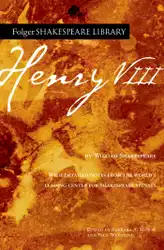
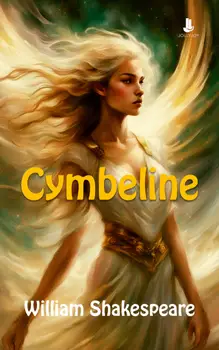
The sweethearts have traded gems as tokens: Imogen now with an armband, and Posthumus with a ring. Cymbeline denies the marriage and exiles, Posthumus, since Imogen, as Cymbeline's lone kid, should create a completely regal blooded beneficiary to prevail to the British lofty position. Meanwhile, Cymbeline's Queen is plotting to have Cloten, her cloddish and pompous child by a prior marriage wedded to Imogen, to get her bloodline. The Queen is likewise plotting to kill both Imogen and Cymbeline, securing what she accepts to be a lethal toxic substance from the court specialist, Cornelius, who, dubious, switches the toxin with a sleeping chemical. The Queen passes the "poison" along to Pisanio, Posthumus and Imogen's caring worker, who is persuaded to think it is a restorative medication. At this point not ready to be with her expelled Posthumus, Imogen segregates herself in her chambers, away from Cloten's forceful advances. Posthumus now resides in Italy, where he meets Iachimo (or Giacomo), who challenges the prideful Posthumus to a bet that he, Iachimo, can lure Imogen, who Posthumus has adulated for her purity, and afterward bring Posthumus proof of Imogen's infidelity. Assuming Iachimo wins, he will get Posthumus' symbolic ring. In the event, that Posthumus wins, not exclusively should Iachimo pay him but will battle him in a duel with blades. Iachimo heads to Britain where he forcefully endeavors to allure the loyal Imogen, who boots him out. Iachimo then stows away in a chest in Imogen's bedchamber and, when the princess dozes off, he arises to take Posthumus' wristband from her. He likewise observes the room and Imogen's incompletely exposed body to have the option to introduce misleading proof to Posthumus that he has enticed his lady. Getting back to Italy, Iachimo persuades Posthumus that he has effectively enticed Imogen. In his anger, Posthumus sends two letters to Britain: one to Imogen, advising her to meet him at Milford Haven, on the Welsh coast; the other to the worker Pisanio, requesting him to kill Imogen at the Haven. Notwithstanding, Pisanio won't kill Imogen and uncovers her Posthumus plot. He has Imogen mask herself as a boy and proceed to Milford Haven to look for work. He additionally gives her the Queen's "poison," accepting it will lighten her mental misery. In the pretense of a boy, Imogen takes on the name "Fidele," signifying "unwavering."Two arrangements of twins are isolated upon entering the world by a tempest adrift: a couple of bosses (both named Antipholus) and a couple of workers (both named Dromio). Years after the fact, the Antipholus-and-Dromio pair brought up in Syracuse end up visiting Ephesus, where the individual twins dwell - giving the premise to progressing occurrences of mixed-up personality, inside an energetic plot of fights, captures, and an excellent court result.
Empieza este libro hoy por 0 €

  • Disfruta de acceso completo a todos los libros de la app durante el periodo de prueba
  • Sin compromiso, cancela cuando quieras
Pruébalo gratis ahora
Más de 52 000 clientes han dado a Nextory 5 estrellas en la App Store y Google Play.

  1. 50 Clásicos que Debes Leer Antes de Morir : Un viaje literario por los tesoros de la literatura universal

    Dante Alighieri, Aristóteles, Jane Austen, Charles Baudelaire, Giovanni Boccaccio, Anne Brontë, C. Collodi, James Fenimore Cooper, Fedor Mikhaïlovitch Dostoïevski, Arthur Conan Doyle, Alexandre Dumas, José de Espronceda, Gustave Flaubert, Sigmund Freud, Benito Pérez Galdós, Kahlil Gibran, Johann Wolfgang Goethe, Johann Wolfgang von Goethe, Victor Hugo, Thomas Hardy, Nathaniel Hawthorne, Vicente Blasco Ibáñez, Washington Irving, James Joyce, Mariano José de Larra, Jack London, Federico García Lorca, H.P. Lovecraft, Antonio Machado, Gustav Meyrink, John Stuart Mill, Amado Nervo, Friedrich Nietzsche, Solomon Northup, Alexander Sergeyevich Pushkin, Francisco de Quevedo, Walter Scott, William Shakespeare, Robert Louis Stevenson, Harriet Beecher Stowe, Jonathan Swift, Mark Twain, Miguel De Unamuno, Ramón María del Valle-Inclán, Julio Verne, Virginia Woolf

  2. 100 Obras Maestras de la Literatura Universal : Edición enriquecida. Explorando la diversidad literaria a lo largo de los siglos

    Johann Wolfgang Goethe, Gustave Flaubert, Franz Kafka, Lewis Carroll, Sigmund Freud, Henrik Ibsen, Charles Dickens, Honoré de Balzac, Mark Twain, Immanuel Kant, Friedrich Schiller, Harriet Beecher Stowe, Oscar Wilde, Robert Louis Stevenson, Edgar Allan Poe, William Shakespeare, Dante Alighieri, Giovanni Boccaccio, Bram Stoker, Charlotte Brontë, Emily Brontë, Jack London, Henry James, Louisa May Alcott, Victor Hugo, Arthur Conan Doyle, Joseph Conrad, Jane Austen, José Rizal, Edgar Rice Burroughs, Herman Melville, Jonathan Swift, Gustavo Adolfo Bécquer, Vicente Blasco Ibáñez, Benito Pérez Galdós, Jean-Jacques Rousseau, Daniel Defoe, Pedro Calderón Barca, Virginia Woolf, Washington Irving, Juan Valera, Horacio Quiroga, Nathaniel Hawthorne, Charles Baudelaire, Wilkie Collins, William Makepeace Thackeray, Voltaire, Apuleius, Leopoldo Alas, John Milton, José Martí, Lope de Vega, Emilio Salgari, Francisco de Quevedo, Rubén Darío, Antonio Machado, José Zorrilla, Tirso de Molina, Emilia Pardo Bazán, Fernando de Rojas, L. Frank Baum, H.G. Wells, J.M. Barrie, H. Rider Haggard, H.P. Lovecraft, Seneca, Hans Christian Andersen, Friedrich Nietzsche, Mary Shelley, Baltasar Gracián, Sófocles, Sun Tzu, Fiódor Dostoyevski, Antón Chéjov, León Tolstoi, Tomás Moro, San Agustín, Nikolái Gógol, Julio Verne, Homero, Platón, Alejandro Dumas, Aristóteles, Hermanos Grimm, Jorge Isaacs, Ignacio De Loyola, Nicolás Maquiavelo, Miguel Cervantes, Teresa de Jesús, Alejandro Dumas hijo, Mijaíl Bakunin, Miguel De Unamuno, Duque de Rivas, Ramón María Valle-Inclán, Federico García Lorca, Gibrán Jalil Gibrán

  3. Nuevo

    El cuento de invierno

    William Shakespeare

  4. 4.0

    100 Obras Maestras de la Literatura Universal : Edición enriquecida. Viaje intertemporal por iconos mundiales y el diálogo cultural histórico

    Johann Wolfgang Goethe, Gustave Flaubert, Franz Kafka, Lewis Carroll, Sigmund Freud, Henrik Ibsen, Charles Dickens, Honoré de Balzac, Mark Twain, Immanuel Kant, Friedrich Schiller, Harriet Beecher Stowe, Oscar Wilde, Robert Louis Stevenson, Edgar Allan Poe, William Shakespeare, Dante Alighieri, Giovanni Boccaccio, Bram Stoker, Charlotte Brontë, Emily Brontë, Jack London, Henry James, Louisa May Alcott, Victor Hugo, Arthur Conan Doyle, Joseph Conrad, Jane Austen, José Rizal, Edgar Rice Burroughs, Herman Melville, Jonathan Swift, Gustavo Adolfo Bécquer, Vicente Blasco Ibáñez, Benito Pérez Galdós, Jean-Jacques Rousseau, Daniel Defoe, Pedro Calderón Barca, Virginia Woolf, Washington Irving, Juan Valera, Horacio Quiroga, Nathaniel Hawthorne, Charles Baudelaire, Wilkie Collins, William Makepeace Thackeray, Voltaire, Apuleius, Leopoldo Alas, John Milton, José Martí, Lope de Vega, Emilio Salgari, Francisco de Quevedo, Rubén Darío, Antonio Machado, José Zorrilla, Tirso de Molina, Emilia Pardo Bazán, Fernando de Rojas, L. Frank Baum, H.G. Wells, J.M. Barrie, H. Rider Haggard, H.P. Lovecraft, Seneca, Hans Christian Andersen, Friedrich Nietzsche, Mary Shelley, Baltasar Gracián, Sófocles, Sun Tzu, Fiódor Dostoyevski, Antón Chéjov, León Tolstoi, Tomás Moro, San Agustín, Nikolái Gógol, Julio Verne, Homero, Platón, Alejandro Dumas, Aristóteles, Hermanos Grimm, Jorge Isaacs, Ignacio De Loyola, Nicolás Maquiavelo, Miguel Cervantes, Teresa de Jesús, Alejandro Dumas hijo, Mijaíl Bakunin, Miguel De Unamuno, Duque de Rivas, Ramón María Valle-Inclán, Federico García Lorca, Gibrán Jalil Gibrán

  5. 5.0

    Hamlet

    William Shakespeare

  6. 3.7

    El rey Lear

    William Shakespeare

  7. 101 Libros Imprescindibles Para Leer En Tu Vida

    Sun Tzu, Teresa de Jesús, Mark Twain, Julio Verne, Friedrich Nietzsche, Lewis Carroll, L. Frank Baum, Franz Kafka, Voltaire, Victor Hugo, Ignacio De Loyola, Nicolás Maquiavelo, Homero, Benito Pérez Galdós, Platón, León Tolstoi, Antón Chéjov, Arthur Conan Doyle, Jane Austen, Emily Brontë, Robert Louis Stevenson, Oscar Wilde, Mary Shelley, Bram Stoker, H.G. Wells, Edgar Allan Poe, H.P. Lovecraft, Washington Irving, Harriet Beecher Stowe, Herman Melville, Jack London, Seneca, San Agustín, Dante Alighieri, Giovanni Boccaccio, Miguel Cervantes, Hans Christian Andersen, Hermanos Grimm, William Shakespeare, John Milton, Tomás Moro, Jean-Jacques Rousseau, Immanuel Kant, Federico García Lorca, Sófocles, Vicente Blasco Ibáñez, Juan Valera, Leopoldo Alas, Miguel De Unamuno, Emilia Pardo Bazán, Duque de Rivas, José Martí, Antonio Machado, Ramón María Valle-Inclán, Jorge Isaacs, Horacio Quiroga, Gustavo Adolfo Bécquer, Rubén Darío, Charles Baudelaire, Henrik Ibsen, Gibrán Jalil Gibrán

  8. 3.5

    El Sueño de una noche de verano

    William Shakespeare

  9. 1.0

    100 Obras Maestras de la Literatura Universal

    Homero, Sófocles, Platón, Aristóteles, Apuleius, Seneca, San Agustín, Sun Tzu, Teresa de Jesús, Ignacio De Loyola, Nicolás Maquiavelo, Dante Alighieri, Giovanni Boccaccio, Miguel Cervantes, Hans Christian Andersen, Hermanos Grimm, William Shakespeare, John Milton, Tomás Moro, Jean-Jacques Rousseau, Immanuel Kant, Jonathan Swift, Daniel Defoe, Charles Dickens, William Makepeace Thackeray, Jane Austen, Charlotte Brontë, Emily Brontë, Robert Louis Stevenson, Oscar Wilde, Mary Shelley, Bram Stoker, Henry James, Arthur Conan Doyle, Wilkie Collins, Joseph Conrad, H. Rider Haggard, Edgar Rice Burroughs, H.G. Wells, Edgar Allan Poe, H.P. Lovecraft, Washington Irving, Harriet Beecher Stowe, Mark Twain, Herman Melville, Jack London, Nathaniel Hawthorne, Louisa May Alcott, J.M. Barrie, Lewis Carroll, L. Frank Baum, Voltaire, Victor Hugo, Honoré de Balzac, Gustave Flaubert, Alejandro Dumas, Alejandro Dumas hijo, Julio Verne, Emilio Salgari, Johann Wolfgang Goethe, Friedrich Schiller, Friedrich Nietzsche, Franz Kafka, Sigmund Freud, Nikolái Gógol, Fiódor Dostoyevski, León Tolstoi, Antón Chéjov, Mijaíl Bakunin, Virginia Woolf, Fernando de Rojas, Lope de Vega, Tirso de Molina, Francisco de Quevedo, Pedro Calderón Barca, Baltasar Gracián, José Zorrilla, Vicente Blasco Ibáñez, Juan Valera, Leopoldo Alas, Benito Pérez Galdós, Miguel De Unamuno, Emilia Pardo Bazán, Duque de Rivas, José Martí, Antonio Machado, Ramón María Valle-Inclán, Jorge Isaacs, Horacio Quiroga, Federico García Lorca, Gustavo Adolfo Bécquer, Rubén Darío, Charles Baudelaire, Henrik Ibsen, Gibrán Jalil Gibrán, José Rizal

  10. 5.0

    Otelo : El moro de Venecia

    William Shakespeare

  11. 50 Clásicos que debes leer antes de morir

    Dante Alighieri, Aristóteles, Jane Austen, Charles Baudelaire, Giovanni Boccaccio, Anne Brontë, C. Collodi, James Fenimore Cooper, Fedor Mikhaïlovitch Dostoïevski, Arthur Conan Doyle, Alexandre Dumas, José de Espronceda, Gustave Flaubert, Sigmund Freud, Benito Pérez Galdós, Kahlil Gibran, Johann Wolfgang Goethe, Johann Wolfgang von Goethe, Victor Hugo, Thomas Hardy, Nathaniel Hawthorne, Vicente Blasco Ibáñez, Washington Irving, James Joyce, Mariano José de Larra, Jack London, Federico García Lorca, H.P. Lovecraft, Antonio Machado, Gustav Meyrink, John Stuart Mill, Amado Nervo, Friedrich Nietzsche, Solomon Northup, Alexander Sergeyevich Pushkin, Francisco de Quevedo, Walter Scott, William Shakespeare, Robert Louis Stevenson, Harriet Beecher Stowe, Jonathan Swift, Mark Twain, Miguel De Unamuno, Ramón María del Valle-Inclán, Julio Verne, Virginia Woolf

  12. 4.5

    Hamlet

    William Shakespeare