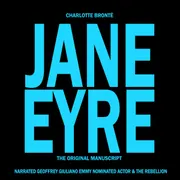
Jane Eyre : The Original Manuscript

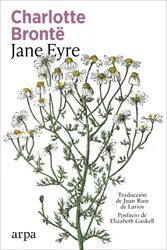
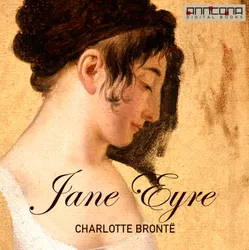
Jane Eyre is the story of a young woman who grows up with almost nothing except her own determination, sense of fairness, and desire for dignity. Orphaned as a child and raised in a household where she is unwanted, Jane is sent to a harsh school that teaches her early the realities of struggle, loneliness, and endurance. Yet from these trials she develops a firm inner strength and a belief that her life has meaning even when the world seems to deny it. As she becomes a governess at the remote Thornfield Hall, she encounters the mysterious Mr. Rochester, a man whose brooding nature and hidden troubles gradually draw Jane into a relationship marked by both closeness and uncertainty. The great turning point comes when she discovers that the life Rochester offered her is entangled with a painful secret, forcing Jane to choose between her deep feelings and her own moral sense. Her decision to walk away rather than compromise her principles transforms the story from a simple romance into a journey of self-respect, independence, and the search for a place where she can live honestly and freely.

The power of the novel lies in Jane’s voice, which speaks plainly, directly, and with emotional honesty. She is not perfect, but she is steadfast, and her resilience shapes every step she takes. As she confronts poverty, temptation, and heartbreak, she continually insists on being treated as a person of full worth, refusing to be defined by her class, her gender, or the expectations of others. In the end, when she and Rochester meet again under entirely changed circumstances, the story reaches a resolution that feels earned by everything she has endured. Jane Eyre remains enduring because it tells the life of a woman who insists on her right to feel, to think, to choose, and to stand on her own terms, making the novel both a deeply human story and a lasting reflection on love, integrity, and personal freedom.
Sobre este libro

Jane Eyre is the story of a young woman who grows up with almost nothing except her own determination, sense of fairness, and desire for dignity. Orphaned as a child and raised in a household where she is unwanted, Jane is sent to a harsh school that teaches her early the realities of struggle, loneliness, and endurance. Yet from these trials she develops a firm inner strength and a belief that her life has meaning even when the world seems to deny it. As she becomes a governess at the remote Thornfield Hall, she encounters the mysterious Mr. Rochester, a man whose brooding nature and hidden troubles gradually draw Jane into a relationship marked by both closeness and uncertainty. The great turning point comes when she discovers that the life Rochester offered her is entangled with a painful secret, forcing Jane to choose between her deep feelings and her own moral sense. Her decision to walk away rather than compromise her principles transforms the story from a simple romance into a journey of self-respect, independence, and the search for a place where she can live honestly and freely.

The power of the novel lies in Jane’s voice, which speaks plainly, directly, and with emotional honesty. She is not perfect, but she is steadfast, and her resilience shapes every step she takes. As she confronts poverty, temptation, and heartbreak, she continually insists on being treated as a person of full worth, refusing to be defined by her class, her gender, or the expectations of others. In the end, when she and Rochester meet again under entirely changed circumstances, the story reaches a resolution that feels earned by everything she has endured. Jane Eyre remains enduring because it tells the life of a woman who insists on her right to feel, to think, to choose, and to stand on her own terms, making the novel both a deeply human story and a lasting reflection on love, integrity, and personal freedom.
Empieza este libro hoy por 0 €

  • Disfruta de acceso completo a todos los libros de la app durante el periodo de prueba
  • Sin compromiso, cancela cuando quieras
Pruébalo gratis ahora
Más de 52 000 clientes han dado a Nextory 5 estrellas en la App Store y Google Play.

  1. Jane Eyre

    Charlotte Brontë

  2. 100 Clásicos de la Literatura Universal

    Francis Scott Fitzgerald, Mary Shelley, Lyman Frank Baum, Louisa May Alcott, Dante Alighieri, Jane Austen, Ambrose Bierce, Emily Brontë, Edgar Rice Burroughs, Lewis Carroll, Wilkie Collins, René Descartes, Charles Dickens, Emily Dickinson, Alexandre Dumas, Gustave Flaubert, Benito Pérez Galdós, Johann Wolfgang von Goethe, Thomas Hardy, E T A Hoffmann, Washington Irving, Henry James, James Joyce, Franz Kafka, Gaston Leroux, Federico García Lorca, H.P. Lovecraft, Publio Virgilio Marón, Lucy Maud Montgomery, John William Polidori, Marco Polo, Antoine de Saint-Exupéry, Emilio Salgari, Walter Scott, Mark Twain, Jules Verne, Julio Verne, H.G. Wells, Edith Wharton, Mary Wollstonecraft, Stefan Zweig, Sun Tzu, Bram Stoker, - Aristoteles, George Bernard Shaw, Henryk Sienkiewicz, Concepción Arenal, Charlotte Brontë, Miguel de Cervantes, G.K. Chesterton, Daniel Defoe, Fyodor Mikhailovich Dostoyevsky, Arthur Conan Doyle, Sigmund Freud, H. Rider Haggard, Homero, Immanuel Kant, Rudyard Kipling, Molière, Friedrich Nietzsche, Fernando de Rojas, Sófocles, William Makepeace Thackeray, León Tolstói, Voltaire, Ramón María del Valle-Inclán, Oscar Wilde, Virginia Woolf

  3. 4.0

    Jane Eyre

    Charlotte Brontë

  4. 100 Obras Maestras de la Literatura Universal : Edición enriquecida. Viaje intertemporal por iconos mundiales y el diálogo cultural histórico

    Johann Wolfgang Goethe, Gustave Flaubert, Franz Kafka, Lewis Carroll, Sigmund Freud, Henrik Ibsen, Charles Dickens, Honoré de Balzac, Mark Twain, Immanuel Kant, Friedrich Schiller, Harriet Beecher Stowe, Oscar Wilde, Robert Louis Stevenson, Edgar Allan Poe, William Shakespeare, Dante Alighieri, Giovanni Boccaccio, Bram Stoker, Charlotte Brontë, Emily Brontë, Jack London, Henry James, Louisa May Alcott, Victor Hugo, Arthur Conan Doyle, Joseph Conrad, Jane Austen, José Rizal, Edgar Rice Burroughs, Herman Melville, Jonathan Swift, Gustavo Adolfo Bécquer, Vicente Blasco Ibáñez, Benito Pérez Galdós, Jean-Jacques Rousseau, Daniel Defoe, Pedro Calderón Barca, Virginia Woolf, Washington Irving, Juan Valera, Horacio Quiroga, Nathaniel Hawthorne, Charles Baudelaire, Wilkie Collins, William Makepeace Thackeray, Voltaire, Apuleius, Leopoldo Alas, John Milton, José Martí, Lope de Vega, Emilio Salgari, Francisco de Quevedo, Rubén Darío, Antonio Machado, José Zorrilla, Tirso de Molina, Emilia Pardo Bazán, Fernando de Rojas, L. Frank Baum, H.G. Wells, J.M. Barrie, H. Rider Haggard, H.P. Lovecraft, Seneca, Hans Christian Andersen, Friedrich Nietzsche, Mary Shelley, Baltasar Gracián, Sófocles, Sun Tzu, Fiódor Dostoyevski, Antón Chéjov, León Tolstoi, Tomás Moro, San Agustín, Nikolái Gógol, Julio Verne, Homero, Platón, Alejandro Dumas, Aristóteles, Hermanos Grimm, Jorge Isaacs, Ignacio De Loyola, Nicolás Maquiavelo, Miguel Cervantes, Teresa de Jesús, Alejandro Dumas hijo, Mijaíl Bakunin, Miguel De Unamuno, Duque de Rivas, Ramón María Valle-Inclán, Federico García Lorca, Gibrán Jalil Gibrán

  5. 3.0

    Jane Eyre

    Charlotte Brontë

  6. 4.2
    #2

    Jane Eyre

    Charlotte Brontë

  7. Jane Eyre

    Charlotte Brontë

  8. Villette

    Charlotte Brontë

  9. 100 Obras Maestras de la Literatura Universal : Edición enriquecida. Explorando la diversidad literaria a lo largo de los siglos

    Johann Wolfgang Goethe, Gustave Flaubert, Franz Kafka, Lewis Carroll, Sigmund Freud, Henrik Ibsen, Charles Dickens, Honoré de Balzac, Mark Twain, Immanuel Kant, Friedrich Schiller, Harriet Beecher Stowe, Oscar Wilde, Robert Louis Stevenson, Edgar Allan Poe, William Shakespeare, Dante Alighieri, Giovanni Boccaccio, Bram Stoker, Charlotte Brontë, Emily Brontë, Jack London, Henry James, Louisa May Alcott, Victor Hugo, Arthur Conan Doyle, Joseph Conrad, Jane Austen, José Rizal, Edgar Rice Burroughs, Herman Melville, Jonathan Swift, Gustavo Adolfo Bécquer, Vicente Blasco Ibáñez, Benito Pérez Galdós, Jean-Jacques Rousseau, Daniel Defoe, Pedro Calderón Barca, Virginia Woolf, Washington Irving, Juan Valera, Horacio Quiroga, Nathaniel Hawthorne, Charles Baudelaire, Wilkie Collins, William Makepeace Thackeray, Voltaire, Apuleius, Leopoldo Alas, John Milton, José Martí, Lope de Vega, Emilio Salgari, Francisco de Quevedo, Rubén Darío, Antonio Machado, José Zorrilla, Tirso de Molina, Emilia Pardo Bazán, Fernando de Rojas, L. Frank Baum, H.G. Wells, J.M. Barrie, H. Rider Haggard, H.P. Lovecraft, Seneca, Hans Christian Andersen, Friedrich Nietzsche, Mary Shelley, Baltasar Gracián, Sófocles, Sun Tzu, Fiódor Dostoyevski, Antón Chéjov, León Tolstoi, Tomás Moro, San Agustín, Nikolái Gógol, Julio Verne, Homero, Platón, Alejandro Dumas, Aristóteles, Hermanos Grimm, Jorge Isaacs, Ignacio De Loyola, Nicolás Maquiavelo, Miguel Cervantes, Teresa de Jesús, Alejandro Dumas hijo, Mijaíl Bakunin, Miguel De Unamuno, Duque de Rivas, Ramón María Valle-Inclán, Federico García Lorca, Gibrán Jalil Gibrán

  10. Jane Austen y Hermanas Brontë - Novelas Completas : Orgullo y Prejuicio, Sentido y Sensibilidad, Emma, Persuasión, Jane Eyre, Cumbres borrascosas, La inquilina de Wildfell Hall

    Jane Austen, Charlotte Brontë, Emily Brontë, Anne Brontë

  11. 1 oct

    El profesor

    Charlotte Brontë

  12. Nuevo

    Jane Eyre

    Charlotte Brontë