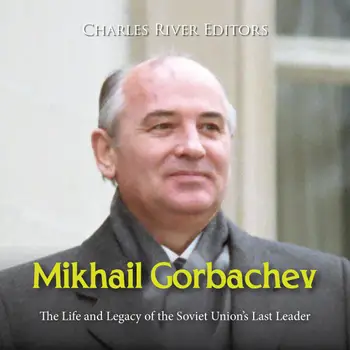
Mikhail Gorbachev: The Life and Legacy of the Soviet Union’s Last Leader

After going through three elderly leaders in three years, Mikhail Gorbachev was chosen as the new General Secretary of the Soviet Union at the relatively youg age of 54 in March 1985. Gorbachev hoped to build the Soviet economy to relieve the persistent shortages of consumer goods it faced, which were caused by enormous military spending of the Soviet Union. Gorbachev tried to introduce some economic reforms, but they were blocked by communist hardliners. Gorbachev then came to the belief that the Soviet economy could not improved without political reform as well.

In comparison with other Soviet leaders, Gorbachev was leader of the USSR for a relatively short period, but the changes that took place under his leadership were monumental, including some that were intended and others that were unforeseen. Gorbachev oversaw the end of the Cold War and the peaceful transition away from communism in Central and Eastern Europe, and he ended the war in Afghanistan and many other proxy conflicts in the developing world. Gorbachev improved relations with the West and developed enough trust with President Ronald Reagan and President George H.W. Bush to decommission thousands of nuclear weapons. He also liberalized the political environment within the Soviet Union itself, increased accountability, and brought in a certain degree of democracy.

Gorbachev was awarded the Nobel Peace Prize for these efforts in 1990, but his regime also left a legacy of turbulence and destruction in its wake. As a result of his policies, many Soviet people rose up against the status quo, demanding national self-determination and reviving old grievances. Gorbachev could not prevent the USSR from disbanding at the end of 1991, leaving much of the country’s economy in ruins and nationalist and ethnic conflicts that are still unresolved today.
Sobre este libro

After going through three elderly leaders in three years, Mikhail Gorbachev was chosen as the new General Secretary of the Soviet Union at the relatively youg age of 54 in March 1985. Gorbachev hoped to build the Soviet economy to relieve the persistent shortages of consumer goods it faced, which were caused by enormous military spending of the Soviet Union. Gorbachev tried to introduce some economic reforms, but they were blocked by communist hardliners. Gorbachev then came to the belief that the Soviet economy could not improved without political reform as well.

In comparison with other Soviet leaders, Gorbachev was leader of the USSR for a relatively short period, but the changes that took place under his leadership were monumental, including some that were intended and others that were unforeseen. Gorbachev oversaw the end of the Cold War and the peaceful transition away from communism in Central and Eastern Europe, and he ended the war in Afghanistan and many other proxy conflicts in the developing world. Gorbachev improved relations with the West and developed enough trust with President Ronald Reagan and President George H.W. Bush to decommission thousands of nuclear weapons. He also liberalized the political environment within the Soviet Union itself, increased accountability, and brought in a certain degree of democracy.

Gorbachev was awarded the Nobel Peace Prize for these efforts in 1990, but his regime also left a legacy of turbulence and destruction in its wake. As a result of his policies, many Soviet people rose up against the status quo, demanding national self-determination and reviving old grievances. Gorbachev could not prevent the USSR from disbanding at the end of 1991, leaving much of the country’s economy in ruins and nationalist and ethnic conflicts that are still unresolved today.

Empieza este libro hoy por 0 €

  • Disfruta de acceso completo a todos los libros de la app durante el periodo de prueba
  • Sin compromiso, cancela cuando quieras
Pruébalo gratis ahora
Más de 52 000 clientes han dado a Nextory 5 estrellas en la App Store y Google Play.

  1. The Library of Alexandria and the Library of Pergamon: The History of the Most Important Libraries in Antiquity

    Charles River Editors

  2. Los vándalos: la historia y legado de los bárbaros más famosos de la Antigüedad

    Charles River Editors

  3. The Making of Modern China: The History of the World’s Most Populous Country from the Qing Dynasty to Today

    Charles River Editors

  4. El robo nazi de arte: La historia de la confiscación y destrucción de obras de arte europeas por parte de Alemania durante la Segunda Guerra Mundial

    Charles River Editors

  5. La República de Venecia: La historia del imperio veneciano y su influencia a lo largo del Mediterráneo

    Charles River Editors

  6. Tupac Amaru II: The Life and Legacy of the Peruvian Leader Who Rebelled against the Spanish Empire

    Charles River Editors

  7. 4.0

    The Delhi Sultanate: The History and Legacy of the Medieval Islamic Dynasty in India

    Charles River Editors

  8. Operation Mockingbird: The Controversial History of the CIA’s Efforts to Manipulate American Media Outlets

    Charles River Editors

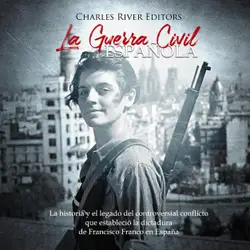
  9. La Guerra Civil española: La historia y el legado del controversial conflicto que estableció la dictadura de Francisco Franco en España

    Charles River Editors

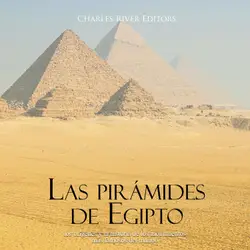
  10. Las pirámides de Egipto: los orígenes y la historia de los monumentos más famosos del mundo

    Charles River Editors

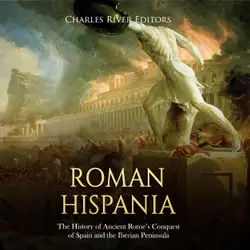
  11. Hispania romana: La historia de la conquista de España y la península ibérica por la antigua Roma

    Charles River Editors

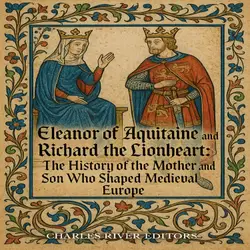
  12. Eleanor of Aquitaine and Richard the Lionheart: The History of the Mother and Son Who Shaped Medieval Europe

    Charles River Editors