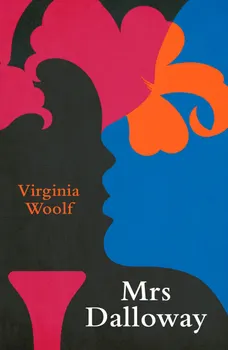
Mrs Dalloway (Legend Classics)

“He thought her beautiful, believed her impeccably wise; dreamed of her, wrote poems to her, which, ignoring the subject, she corrected in red ink.”

Mrs Dalloway is a novel that features two main characters and two different worldviews. On the one hand, there is Clarissa Dalloway, who being labelled as Mrs, symbolises her marital and social confinement. On the other, the readers meet Septimus Warren Smith, who is suffering from post-traumatic stress disorder. The lack of conventionally linear narrative and the stream of consciousness embedded in the text represents the author’s take on the complexities of human existence and the ambiguity of reality. While Septimus appears mad as the war memories are haunting him, Clarissa is assumingly sane, with her existential troubles being centred around the midlife crisis – both, however, share an astute sensibility about societal maladies of post-war Britain. Even though the two characters never meet, they are inextricably connected. The story takes a twist when Clarissa in her quintessential midlife meets her first love, Peter Walsh and Septimus madness takes a dramatic manifestation. Will Clarissa take any steps for the sake of her first love, or will she stay devoted to the societal pressure and her status as a statesman’s wife? What will become of Septimus’ madness?

The novel was developed from Woolf’s earlier short story entitled ‘Mrs Dalloway in Bond Street’. It takes you to the industrialised society, the hustle and bustle of London to represent the surface, the wrapper of modern society. The internal side is represented by ambiguous dark desires and fears of the characters. The passion and dramatic events in this whole novel take place over the course of a single day and the novel has been compared to poetry for being packed with meaning and intensity. How can a day change your whole life, how can a life built for years, crumble in the blink of an eye? This text is an exciting journey in itself with stylistic symbiosis, making it a true modernist classic.

The Legend Classics series:

Around the World in Eighty Days

The Adventures of Huckleberry Finn

The Importance of Being Earnest

Alice's Adventures in Wonderland

The Metamorphosis

The Railway Children

The Hound of the Baskervilles

Frankenstein

Wuthering Heights

Three Men in a Boat

The Time Machine

Little Women

Anne of Green Gables

The Jungle Book

The Yellow Wallpaper and Other Stories

Dracula

A Study in Scarlet

Leaves of Grass

The Secret Garden

The War of the Worlds

A Christmas Carol

Strange Case of Dr Jekyll and Mr Hyde

Heart of Darkness

The Scarlet Letter

This Side of Paradise

Oliver Twist

The Picture of Dorian Gray

Treasure Island

The Turn of the Screw

The Adventures of Tom Sawyer

Emma

The Trial

A Selection of Short Stories by Edgar Allan Poe

Grimm Fairy Tales

The Awakening

Mrs Dalloway

Gulliver’s Travels

The Castle of Otranto

Silas Marner

Hard Times

Sobre este libro

“He thought her beautiful, believed her impeccably wise; dreamed of her, wrote poems to her, which, ignoring the subject, she corrected in red ink.”

Mrs Dalloway is a novel that features two main characters and two different worldviews. On the one hand, there is Clarissa Dalloway, who being labelled as Mrs, symbolises her marital and social confinement. On the other, the readers meet Septimus Warren Smith, who is suffering from post-traumatic stress disorder. The lack of conventionally linear narrative and the stream of consciousness embedded in the text represents the author’s take on the complexities of human existence and the ambiguity of reality. While Septimus appears mad as the war memories are haunting him, Clarissa is assumingly sane, with her existential troubles being centred around the midlife crisis – both, however, share an astute sensibility about societal maladies of post-war Britain. Even though the two characters never meet, they are inextricably connected. The story takes a twist when Clarissa in her quintessential midlife meets her first love, Peter Walsh and Septimus madness takes a dramatic manifestation. Will Clarissa take any steps for the sake of her first love, or will she stay devoted to the societal pressure and her status as a statesman’s wife? What will become of Septimus’ madness?

The novel was developed from Woolf’s earlier short story entitled ‘Mrs Dalloway in Bond Street’. It takes you to the industrialised society, the hustle and bustle of London to represent the surface, the wrapper of modern society. The internal side is represented by ambiguous dark desires and fears of the characters. The passion and dramatic events in this whole novel take place over the course of a single day and the novel has been compared to poetry for being packed with meaning and intensity. How can a day change your whole life, how can a life built for years, crumble in the blink of an eye? This text is an exciting journey in itself with stylistic symbiosis, making it a true modernist classic.

The Legend Classics series:

Around the World in Eighty Days

The Adventures of Huckleberry Finn

The Importance of Being Earnest

Alice's Adventures in Wonderland

The Metamorphosis

The Railway Children

The Hound of the Baskervilles

Frankenstein

Wuthering Heights

Three Men in a Boat

The Time Machine

Little Women

Anne of Green Gables

The Jungle Book

The Yellow Wallpaper and Other Stories

Dracula

A Study in Scarlet

Leaves of Grass

The Secret Garden

The War of the Worlds

A Christmas Carol

Strange Case of Dr Jekyll and Mr Hyde

Heart of Darkness

The Scarlet Letter

This Side of Paradise

Oliver Twist

The Picture of Dorian Gray

Treasure Island

The Turn of the Screw

The Adventures of Tom Sawyer

Emma

The Trial

A Selection of Short Stories by Edgar Allan Poe

Grimm Fairy Tales

The Awakening

Mrs Dalloway

Gulliver’s Travels

The Castle of Otranto

Silas Marner

Hard Times
Empieza este libro hoy por 0 €

  • Disfruta de acceso completo a todos los libros de la app durante el periodo de prueba
  • Sin compromiso, cancela cuando quieras
Pruébalo gratis ahora
Más de 52 000 clientes han dado a Nextory 5 estrellas en la App Store y Google Play.

  1. Orlando

    Virginia Woolf

  2. 3.5

    Cuentos de Virginia Woolf

    Virginia Woolf

  3. 3.5

    Al faro

    Virginia Woolf

  4. 100 Clásicos de la Literatura Universal

    Francis Scott Fitzgerald, Mary Shelley, Lyman Frank Baum, Louisa May Alcott, Dante Alighieri, Jane Austen, Ambrose Bierce, Emily Brontë, Edgar Rice Burroughs, Lewis Carroll, Wilkie Collins, René Descartes, Charles Dickens, Emily Dickinson, Alexandre Dumas, Gustave Flaubert, Benito Pérez Galdós, Johann Wolfgang von Goethe, Thomas Hardy, E T A Hoffmann, Washington Irving, Henry James, James Joyce, Franz Kafka, Gaston Leroux, Federico García Lorca, H.P. Lovecraft, Publio Virgilio Marón, Lucy Maud Montgomery, John William Polidori, Marco Polo, Antoine de Saint-Exupéry, Emilio Salgari, Walter Scott, Mark Twain, Jules Verne, Julio Verne, H.G. Wells, Edith Wharton, Mary Wollstonecraft, Stefan Zweig, Sun Tzu, Bram Stoker, - Aristoteles, George Bernard Shaw, Henryk Sienkiewicz, Concepción Arenal, Charlotte Brontë, Miguel de Cervantes, G.K. Chesterton, Daniel Defoe, Fyodor Mikhailovich Dostoyevsky, Arthur Conan Doyle, Sigmund Freud, H. Rider Haggard, Homero, Immanuel Kant, Rudyard Kipling, Molière, Friedrich Nietzsche, Fernando de Rojas, Sófocles, William Makepeace Thackeray, León Tolstói, Voltaire, Ramón María del Valle-Inclán, Oscar Wilde, Virginia Woolf

  5. Las olas

    Virginia Woolf

  6. 50 Clásicos que Debes Leer Antes de Morir : Un viaje literario por los tesoros de la literatura universal

    Dante Alighieri, Aristóteles, Jane Austen, Charles Baudelaire, Giovanni Boccaccio, Anne Brontë, C. Collodi, James Fenimore Cooper, Fedor Mikhaïlovitch Dostoïevski, Arthur Conan Doyle, Alexandre Dumas, José de Espronceda, Gustave Flaubert, Sigmund Freud, Benito Pérez Galdós, Kahlil Gibran, Johann Wolfgang Goethe, Johann Wolfgang von Goethe, Victor Hugo, Thomas Hardy, Nathaniel Hawthorne, Vicente Blasco Ibáñez, Washington Irving, James Joyce, Mariano José de Larra, Jack London, Federico García Lorca, H.P. Lovecraft, Antonio Machado, Gustav Meyrink, John Stuart Mill, Amado Nervo, Friedrich Nietzsche, Solomon Northup, Alexander Sergeyevich Pushkin, Francisco de Quevedo, Walter Scott, William Shakespeare, Robert Louis Stevenson, Harriet Beecher Stowe, Jonathan Swift, Mark Twain, Miguel De Unamuno, Ramón María del Valle-Inclán, Julio Verne, Virginia Woolf

  7. 100 Obras Maestras de la Literatura Universal : Edición enriquecida. Explorando la diversidad literaria a lo largo de los siglos

    Johann Wolfgang Goethe, Gustave Flaubert, Franz Kafka, Lewis Carroll, Sigmund Freud, Henrik Ibsen, Charles Dickens, Honoré de Balzac, Mark Twain, Immanuel Kant, Friedrich Schiller, Harriet Beecher Stowe, Oscar Wilde, Robert Louis Stevenson, Edgar Allan Poe, William Shakespeare, Dante Alighieri, Giovanni Boccaccio, Bram Stoker, Charlotte Brontë, Emily Brontë, Jack London, Henry James, Louisa May Alcott, Victor Hugo, Arthur Conan Doyle, Joseph Conrad, Jane Austen, José Rizal, Edgar Rice Burroughs, Herman Melville, Jonathan Swift, Gustavo Adolfo Bécquer, Vicente Blasco Ibáñez, Benito Pérez Galdós, Jean-Jacques Rousseau, Daniel Defoe, Pedro Calderón Barca, Virginia Woolf, Washington Irving, Juan Valera, Horacio Quiroga, Nathaniel Hawthorne, Charles Baudelaire, Wilkie Collins, William Makepeace Thackeray, Voltaire, Apuleius, Leopoldo Alas, John Milton, José Martí, Lope de Vega, Emilio Salgari, Francisco de Quevedo, Rubén Darío, Antonio Machado, José Zorrilla, Tirso de Molina, Emilia Pardo Bazán, Fernando de Rojas, L. Frank Baum, H.G. Wells, J.M. Barrie, H. Rider Haggard, H.P. Lovecraft, Seneca, Hans Christian Andersen, Friedrich Nietzsche, Mary Shelley, Baltasar Gracián, Sófocles, Sun Tzu, Fiódor Dostoyevski, Antón Chéjov, León Tolstoi, Tomás Moro, San Agustín, Nikolái Gógol, Julio Verne, Homero, Platón, Alejandro Dumas, Aristóteles, Hermanos Grimm, Jorge Isaacs, Ignacio De Loyola, Nicolás Maquiavelo, Miguel Cervantes, Teresa de Jesús, Alejandro Dumas hijo, Mijaíl Bakunin, Miguel De Unamuno, Duque de Rivas, Ramón María Valle-Inclán, Federico García Lorca, Gibrán Jalil Gibrán

  8. 2.0

    50 Clásicos que Debes Leer Antes de Morir: Tu Pasaporte a los Tesoros de la Literatura Universal

    Dante Alighieri, Aristóteles, Jane Austen, Charles Baudelaire, Giovanni Boccaccio, Anne Brontë, C. Collodi, James Fenimore Cooper, Fedor Mikhaïlovitch Dostoïevski, Arthur Conan Doyle, Alexandre Dumas, José de Espronceda, Gustave Flaubert, Sigmund Freud, Benito Pérez Galdós, Kahlil Gibran, Johann Wolfgang Goethe, Johann Wolfgang von Goethe, Victor Hugo, Thomas Hardy, Nathaniel Hawthorne, Vicente Blasco Ibáñez, Washington Irving, James Joyce, Mariano José de Larra, Jack London, Federico García Lorca, H.P. Lovecraft, Antonio Machado, Gustav Meyrink, John Stuart Mill, Amado Nervo, Friedrich Nietzsche, Solomon Northup, Alexander Sergeyevich Pushkin, Francisco de Quevedo, Walter Scott, William Shakespeare, Robert Louis Stevenson, Harriet Beecher Stowe, Jonathan Swift, Mark Twain, Miguel De Unamuno, Ramón María del Valle-Inclán, Julio Verne, Virginia Woolf

  9. Resumen
    3.5
    #1

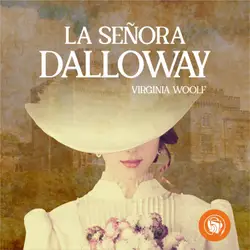
    La señora Dalloway

    Virginia Woolf

  10. 100 Obras Maestras de la Literatura Universal : Edición enriquecida. Viaje intertemporal por iconos mundiales y el diálogo cultural histórico

    Johann Wolfgang Goethe, Gustave Flaubert, Franz Kafka, Lewis Carroll, Sigmund Freud, Henrik Ibsen, Charles Dickens, Honoré de Balzac, Mark Twain, Immanuel Kant, Friedrich Schiller, Harriet Beecher Stowe, Oscar Wilde, Robert Louis Stevenson, Edgar Allan Poe, William Shakespeare, Dante Alighieri, Giovanni Boccaccio, Bram Stoker, Charlotte Brontë, Emily Brontë, Jack London, Henry James, Louisa May Alcott, Victor Hugo, Arthur Conan Doyle, Joseph Conrad, Jane Austen, José Rizal, Edgar Rice Burroughs, Herman Melville, Jonathan Swift, Gustavo Adolfo Bécquer, Vicente Blasco Ibáñez, Benito Pérez Galdós, Jean-Jacques Rousseau, Daniel Defoe, Pedro Calderón Barca, Virginia Woolf, Washington Irving, Juan Valera, Horacio Quiroga, Nathaniel Hawthorne, Charles Baudelaire, Wilkie Collins, William Makepeace Thackeray, Voltaire, Apuleius, Leopoldo Alas, John Milton, José Martí, Lope de Vega, Emilio Salgari, Francisco de Quevedo, Rubén Darío, Antonio Machado, José Zorrilla, Tirso de Molina, Emilia Pardo Bazán, Fernando de Rojas, L. Frank Baum, H.G. Wells, J.M. Barrie, H. Rider Haggard, H.P. Lovecraft, Seneca, Hans Christian Andersen, Friedrich Nietzsche, Mary Shelley, Baltasar Gracián, Sófocles, Sun Tzu, Fiódor Dostoyevski, Antón Chéjov, León Tolstoi, Tomás Moro, San Agustín, Nikolái Gógol, Julio Verne, Homero, Platón, Alejandro Dumas, Aristóteles, Hermanos Grimm, Jorge Isaacs, Ignacio De Loyola, Nicolás Maquiavelo, Miguel Cervantes, Teresa de Jesús, Alejandro Dumas hijo, Mijaíl Bakunin, Miguel De Unamuno, Duque de Rivas, Ramón María Valle-Inclán, Federico García Lorca, Gibrán Jalil Gibrán

  11. 4.3

    Una habitación propia

    Virginia Woolf

  12. 1 oct
    4.0
    #3

    Una Habitación Propia :

    Virginia Woolf


Categorías relacionadas