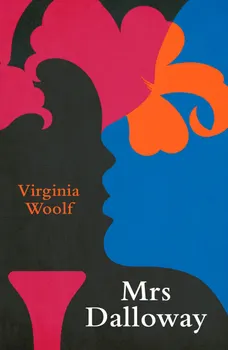
Mrs Dalloway (Legend Classics)

“He thought her beautiful, believed her impeccably wise; dreamed of her, wrote poems to her, which, ignoring the subject, she corrected in red ink.”

Mrs Dalloway is a novel that features two main characters and two different worldviews. On the one hand, there is Clarissa Dalloway, who being labelled as Mrs, symbolises her marital and social confinement. On the other, the readers meet Septimus Warren Smith, who is suffering from post-traumatic stress disorder. The lack of conventionally linear narrative and the stream of consciousness embedded in the text represents the author’s take on the complexities of human existence and the ambiguity of reality. While Septimus appears mad as the war memories are haunting him, Clarissa is assumingly sane, with her existential troubles being centred around the midlife crisis – both, however, share an astute sensibility about societal maladies of post-war Britain. Even though the two characters never meet, they are inextricably connected. The story takes a twist when Clarissa in her quintessential midlife meets her first love, Peter Walsh and Septimus madness takes a dramatic manifestation. Will Clarissa take any steps for the sake of her first love, or will she stay devoted to the societal pressure and her status as a statesman’s wife? What will become of Septimus’ madness?

The novel was developed from Woolf’s earlier short story entitled ‘Mrs Dalloway in Bond Street’. It takes you to the industrialised society, the hustle and bustle of London to represent the surface, the wrapper of modern society. The internal side is represented by ambiguous dark desires and fears of the characters. The passion and dramatic events in this whole novel take place over the course of a single day and the novel has been compared to poetry for being packed with meaning and intensity. How can a day change your whole life, how can a life built for years, crumble in the blink of an eye? This text is an exciting journey in itself with stylistic symbiosis, making it a true modernist classic.

The Legend Classics series:

Around the World in Eighty Days

The Adventures of Huckleberry Finn

The Importance of Being Earnest

Alice's Adventures in Wonderland

The Metamorphosis

The Railway Children

The Hound of the Baskervilles

Frankenstein

Wuthering Heights

Three Men in a Boat

The Time Machine

Little Women

Anne of Green Gables

The Jungle Book

The Yellow Wallpaper and Other Stories

Dracula

A Study in Scarlet

Leaves of Grass

The Secret Garden

The War of the Worlds

A Christmas Carol

Strange Case of Dr Jekyll and Mr Hyde

Heart of Darkness

The Scarlet Letter

This Side of Paradise

Oliver Twist

The Picture of Dorian Gray

Treasure Island

The Turn of the Screw

The Adventures of Tom Sawyer

Emma

The Trial

A Selection of Short Stories by Edgar Allan Poe

Grimm Fairy Tales

The Awakening

Mrs Dalloway

Gulliver’s Travels

The Castle of Otranto

Silas Marner

Hard Times

À propos de ce livre

“He thought her beautiful, believed her impeccably wise; dreamed of her, wrote poems to her, which, ignoring the subject, she corrected in red ink.”

Mrs Dalloway is a novel that features two main characters and two different worldviews. On the one hand, there is Clarissa Dalloway, who being labelled as Mrs, symbolises her marital and social confinement. On the other, the readers meet Septimus Warren Smith, who is suffering from post-traumatic stress disorder. The lack of conventionally linear narrative and the stream of consciousness embedded in the text represents the author’s take on the complexities of human existence and the ambiguity of reality. While Septimus appears mad as the war memories are haunting him, Clarissa is assumingly sane, with her existential troubles being centred around the midlife crisis – both, however, share an astute sensibility about societal maladies of post-war Britain. Even though the two characters never meet, they are inextricably connected. The story takes a twist when Clarissa in her quintessential midlife meets her first love, Peter Walsh and Septimus madness takes a dramatic manifestation. Will Clarissa take any steps for the sake of her first love, or will she stay devoted to the societal pressure and her status as a statesman’s wife? What will become of Septimus’ madness?

The novel was developed from Woolf’s earlier short story entitled ‘Mrs Dalloway in Bond Street’. It takes you to the industrialised society, the hustle and bustle of London to represent the surface, the wrapper of modern society. The internal side is represented by ambiguous dark desires and fears of the characters. The passion and dramatic events in this whole novel take place over the course of a single day and the novel has been compared to poetry for being packed with meaning and intensity. How can a day change your whole life, how can a life built for years, crumble in the blink of an eye? This text is an exciting journey in itself with stylistic symbiosis, making it a true modernist classic.

The Legend Classics series:

Around the World in Eighty Days

The Adventures of Huckleberry Finn

The Importance of Being Earnest

Alice's Adventures in Wonderland

The Metamorphosis

The Railway Children

The Hound of the Baskervilles

Frankenstein

Wuthering Heights

Three Men in a Boat

The Time Machine

Little Women

Anne of Green Gables

The Jungle Book

The Yellow Wallpaper and Other Stories

Dracula

A Study in Scarlet

Leaves of Grass

The Secret Garden

The War of the Worlds

A Christmas Carol

Strange Case of Dr Jekyll and Mr Hyde

Heart of Darkness

The Scarlet Letter

This Side of Paradise

Oliver Twist

The Picture of Dorian Gray

Treasure Island

The Turn of the Screw

The Adventures of Tom Sawyer

Emma

The Trial

A Selection of Short Stories by Edgar Allan Poe

Grimm Fairy Tales

The Awakening

Mrs Dalloway

Gulliver’s Travels

The Castle of Otranto

Silas Marner

Hard Times
Commencez ce livre dès aujourd'hui pour 0 €

  • Accédez à tous les livres de l'app pendant la période d'essai
  • Sans engagement, annulez à tout moment
Essayer gratuitement
Plus de 52 000 personnes ont noté Nextory 5 étoiles sur l'App Store et Google Play.

  1. 1 oct.
    #6

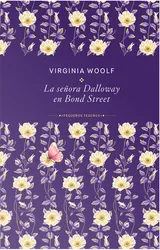
    La señora Dalloway en Bond Street

    Virginia Woolf

  2. 1 oct.
    4.0
    #3

    Una Habitación Propia :

    Virginia Woolf

  3. 17 sept.

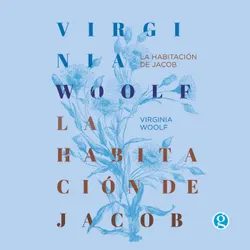
    La habitación de Jacob

    Virginia Woolf

  4. Nouveau

    50 Clásicos que Debes Leer Antes de Morir : Un viaje literario por los tesoros de la literatura universal

    Dante Alighieri, Aristóteles, Jane Austen, Charles Baudelaire, Giovanni Boccaccio, Anne Brontë, C. Collodi, James Fenimore Cooper, Fedor Mikhaïlovitch Dostoïevski, Arthur Conan Doyle, Alexandre Dumas, José de Espronceda, Gustave Flaubert, Sigmund Freud, Benito Pérez Galdós, Kahlil Gibran, Johann Wolfgang Goethe, Victor Hugo, Thomas Hardy, Nathaniel Hawthorne, Vicente Blasco Ibáñez, Washington Irving, James Joyce, Mariano José Larra, Jack London, Federico García Lorca, H.P. Lovecraft, Antonio Machado, Gustav Meyrink, John Stuart Mill, Amado Nervo, Friedrich Nietzsche, Solomon Northup, Alexander Sergeyevich Pushkin, Francisco de Quevedo, Walter Scott, William Shakespeare, Robert Louis Stevenson, Harriet Beecher Stowe, Jonathan Swift, Mark Twain, Miguel De Unamuno, Ramón María Valle-Inclán, Julio Verne, Virginia Woolf

  5. Nouveau
    5.0

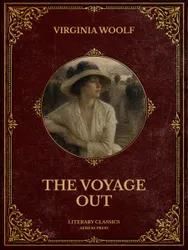
    The Voyage Out

    Virginia Woolf

  6. 4.0

    Jacob’s Room

    Virginia Woolf

  7. Nouveau

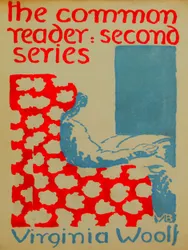
    The Common Reader, Second Series

    Virginia Woolf

  8. Nouveau

    The Complete Works of Virginia Woolf

    Virginia Woolf

  9. Nouveau

    30 Occult and Supernatural masterpieces in one book

    Washington Irving, Mary Shelley, Charles Dickens, Joseph Sheridan Fanu, Elizabeth Cleghorn Gaskell, Louisa May Alcott, Oscar Wilde, Rudyard Kipling, Edith Nesbit, John Meade Falkner, Henry James, H.G. Wells, Montague Rhodes James, Arnold Bennett, Henry Rider Haggard, William Hope Hodgson, Virginia Woolf, Master Hendrick Certain, Pastor Tappau's, Lefebvre, De Lacy

  10. 4.4

    Orlando

    Virginia Woolf

  11. Nouveau
    5.0

    Between the Acts

    Virginia Woolf

  12. 4.3

    A Room of One’s Own

    Virginia Woolf