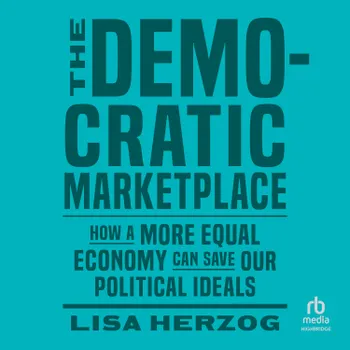
The Democratic Marketplace : How a More Equal Economy Can Save Our Political Ideals

Democracy has been hollowed out by capitalism. A narrow view of markets and their aims now dominates thinking about democracy itself. Citizens are ignorant of the deep principles of self-governance, having long since adopted a facile equation between democracy and voting as a consumer choice. Lisa Herzog argues that democracy is still possible, but only if democratic values get embedded in everyday experience―including economic experience. That requires new ways of thinking about markets and their goals.

The Democratic Marketplace theorizes the foundational structures of a democratic economy, in which markets are not just tools for maximizing profit via exploitation and extraction. To this end, employees are empowered to participate in corporate governance. Economic disparities are curbed so that citizens can negotiate their inevitable differences on a truly equal footing. And while a democratic economy need not eschew growth, it does renounce today's growth-at-all-costs expectations, instead balancing growth with goals like ecological sustainability and the preservation of time outside of work.

These are not utopian dreams, Herzog contends. The proposals that follow from the theory of democratic economics are already being tested around the world. And the shift in social norms that they necessitate is already under way.
Sobre este libro

Democracy has been hollowed out by capitalism. A narrow view of markets and their aims now dominates thinking about democracy itself. Citizens are ignorant of the deep principles of self-governance, having long since adopted a facile equation between democracy and voting as a consumer choice. Lisa Herzog argues that democracy is still possible, but only if democratic values get embedded in everyday experience―including economic experience. That requires new ways of thinking about markets and their goals.

The Democratic Marketplace theorizes the foundational structures of a democratic economy, in which markets are not just tools for maximizing profit via exploitation and extraction. To this end, employees are empowered to participate in corporate governance. Economic disparities are curbed so that citizens can negotiate their inevitable differences on a truly equal footing. And while a democratic economy need not eschew growth, it does renounce today's growth-at-all-costs expectations, instead balancing growth with goals like ecological sustainability and the preservation of time outside of work.

These are not utopian dreams, Herzog contends. The proposals that follow from the theory of democratic economics are already being tested around the world. And the shift in social norms that they necessitate is already under way.

Empieza este libro hoy por 0 €

  • Disfruta de acceso completo a todos los libros de la app durante el periodo de prueba
  • Sin compromiso, cancela cuando quieras
Pruébalo gratis ahora
Más de 52 000 clientes han dado a Nextory 5 estrellas en la App Store y Google Play.

Los favoritos de otras personas

Omitir la lista
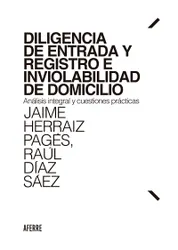
  1. Diligencia de entrada y registro e inviolabilidad de domicilio

    Jaime Herraiz Pagès, Raúl Díaz Sáez

  2. Father Time : A Natural History of Men and Babies

    Sarah Blaffer Hrdy

  3. Hombres, masculinidades, emociones

    Juan Carlos Ramírez Rodríguez, Paulo Octavio Gutiérrez Pérez, María del Gómez González, Marcela Viridiana Sucilla Rodríguez, Giovane Mendieta Izquierdo, Juan María Cuevas Silva

  4. #132

    La gracia: Don y responsabilidad

    Felicísimo Martínez Díez

  5. Lethal Intersections : Race, Gender, and Violence

    Patricia Hill Collins

  6. Edades en transición. Envejecer en el siglo XXI : Edades, condiciones de vida, participación e incorporación tecnológica en el cambio de época

    Joan Subirats Humet, AA. VV.

  7. La fidelidad en el tiempo : Notas teológicas sobre el uso del concepto en la vida religiosa de las mujeres

    Mercedes Navarro Puerto

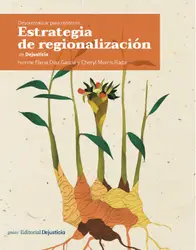
  8. Descentralizar para construir: estrategia de regionalización de Dejusticia

    Ivonne Elena Díaz García, Cheryl Morris Rada

  9. Ensayo de antropología filosófica : El arte de mezclar conceptos y plantar desconceptos

    Ivone Gebara

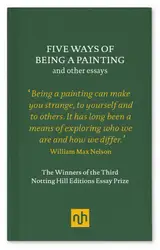
  10. Five Ways of Being a Painting: and other essays

    William Max Nelson, Laura Esther Wolfson, Garret Keizer, Karen Holmberg, Patrick McGuiness, Dasha Shkurpela

  11. Pluriverso : Un diccionario del posdesarrollo

    Ashish Kothari, Ariel Salleh, Arturo Escobar, Federico Demaría, Alberto Acosta

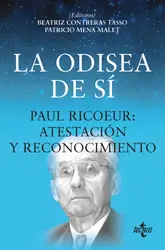
  12. La odisea de sí : Paul Ricoeur: atestación y reconocimiento

    Beatriz Contreras Tasso, Patricio Mena Malet, Richard Kearney, Oliver Abel, Charles Reagan, Marcel Hénaff, George Taylor, Tomás Domingo Moratalla, Pol Vandevelde, Marie-France Begué, Gilbert Vincent