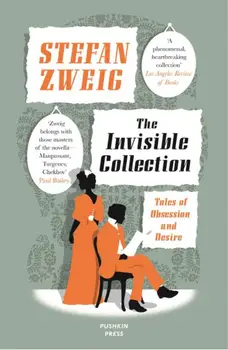
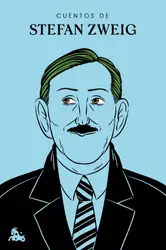
'This is the story of about the strangest thing that I've ever encountered, old art dealer that I am.'It is perhaps the finest art collection of its kind, acquired through a lifetime of sacrifice - but when a dealer comes to see it, he finds something quite unexpected, and is drawn into a peculiar deception of the collector himself...Stefan Zweig was a wildly popular writer of compelling short fiction: in this collection there are peaks of extraordinary emotion, stories of all that is human crushed by the movements of history, of letters that fill a young heart or drive a person towards death, of obsession and desire. They will stay with the reader for ever.
Stefan Zweig (Viena, 1881 – Río de Janeiro, 1942) fue uno de los escritores más polifacéticos de la primera mitad del siglo XX. De origen judío, estudió en Berlín y Viena, tras lo cual acabó viajando gran parte de su vida. Durante la primera guerra mundial se trasladó a Zurich, donde se adhirió a las causas pacifistas del escritor francés Romain Rolland. Más tarde volvió a su país, concretamente a Salzburgo, pero el nazismo le obligó a exiliarse en 1934. Así Zweig y su segunda esposa se instalaron primero en Londres y más tarde en Brasil, donde, profundamente desilusionados por el ambiente bélico que imperaba en todo el mundo, se suicidaron en 1942. Zweig cultivó todos los géneros literarios, aunque destacó especialmente como narrador (Primera experiencia, 1923; Confusión de sentimientos, 1926; La impaciencia del corazón, 1938) y ensayista (Verlaine, 1905; Tres poetas de sus vidas, 1932). Tras algunas décadas en las que sus obras se vieron inexplicablemente ignoradas, Zweig ha sido recuperado y actualmente goza del prestigio y la popularidad que por justicia literaria le correspondía.