









The Wisdom of the East: Buddhist Scriptures presents a concise anthology of foundational Buddhist teachings, gathering passages that illuminate the Buddha's diagnosis of suffering, the discipline of ethical conduct, the cultivation of meditative awareness, and the liberating insight of the Dharma. Its scriptural selections move between aphoristic instruction, narrative exemplum, and reflective discourse, preserving the compressed clarity and contemplative rhythm characteristic of Buddhist literature. As part of the early twentieth-century Wisdom of the East tradition, the volume also participates in the period's effort to make Asian religious and philosophical texts accessible to Western readers without reducing them entirely to abstract doctrine. The author is given as Anonymous, a designation that appropriately directs attention away from individual literary personality and toward the cumulative, communal character of Buddhist scripture. These texts emerged through centuries of oral transmission, interpretation, and redaction within diverse Buddhist communities; their authority rests less on personal authorship than on their preservation of a remembered path to awakening. The anonymous compiler or translator thus serves as a mediator between traditions, selecting materials capable of conveying Buddhism's ethical seriousness and philosophical subtlety to a modern audience. This volume is recommended to readers seeking an accessible yet intellectually substantial introduction to Buddhist thought, particularly those interested in the relationship between scripture, practice, and religious experience. It will reward newcomers with a coherent map of central teachings while offering students of comparative religion a revealing example of how Buddhist texts were presented across cultural boundaries. Readers should approach it not merely as a doctrinal summary, but as an invitation to sustained reflection on suffering, impermanence, compassion, and liberation.
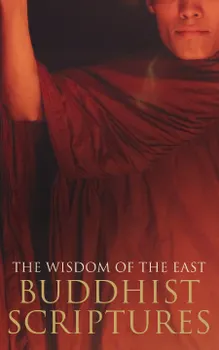
The Wisdom of the East : Sermons, Verses, and Meditative Teachings on Suffering, Compassion, Discipline, and Liberation
Escrito por Anonymous