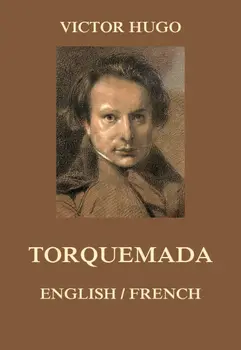
Torquemada, a drama about the Spanish inquisition, is one of the greatest masterpieces of the master poet of the 19th century. The construction of this tragedy is absolutely original and unique: free and full of change as the wildest and loosest and roughest of dramatic structures ever flung together, and left to crumble or cohere at the pleasure of accident or of luck, by the rudest of primaeval playwrights : but perfect in harmonious unity of spirit, in symmetry or symphony of part with part, as the most finished and flawless creation of Sophocles or of Phidias. Torquemada is one of the sublimest, in all the illimitable world of dramatic imagination.
Victor Hugo (Besançon, 1802-París, 1885) es quizá el escritor más representativo de las letras francesas del siglo xix. De vocación temprana, comenzó su andadura literaria con Odas y poesías diversas (1822), su primera obra poética. Muy pronto fue considerado el jefe de las filas del Romanticismo francés y sus obras encontraron un reconocimiento generalizado debido, fundamentalmente, al virtuosismo de su prosa y a la elección de unos argumentos en los que se entremezclan a la perfección lo misterioso y sobrenatural con la denuncia social más inteligente y certera. Entre sus obras más destacadas se encuentran Las orientales (1829), Nuestra señora de París (1830), Ruy Blas (1838), Los miserables (1862) o Los trabajadores del mar (1866), además de un buen número de obras teatrales, poemas, ensayos históricos y discursos políticos. Victor Hugo murió el 22 de mayo de 1885 a causa de una pulmonía. Su ataúd permaneció durante varios días bajo el arco del triunfo, donde se dice que fue visitado por cerca de tres millones de personas.