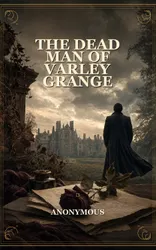
Body-snatching : Unveiling the Macabre Trade of Grave Robbers

In "Body-snatching," the author delves into the macabre practices surrounding the theft of corpses for medical research during the early 19th century. Through a compelling mix of gothic prose and vivid characterization, the narrative explores the moral and ethical dilemmas faced by both the body-snatchers and society at large. The text operates within a rich literary context, engaging with themes of mortality, the quest for scientific knowledge, and the tension between societal norms and personal ambition, mirroring the anxieties of a rapidly advancing era that grappled with the implications of medical progress. While the author remains anonymous, one can speculate that their deep understanding of the Victorian era'Äôs both fascination and horror towards death informed the narrative'Äôs chilling backdrop. The anonymity may itself serve as a metaphor for the obscured identities of the very bodies that were stolen, highlighting the intersection of identity, morality, and the human condition. This context hints at personal or societal experiences that may have inspired such a gripping exploration of life, death, and the ethical ramifications of scientific inquiry. "Body-snatching" is a must-read for those fascinated by gothic literature, the ethics of medicine, and the societal implications of scientific advancement. It invites readers to confront uncomfortable truths about the human body and the lengths to which society will go for knowledge. This haunting narrative will leave an indelible mark on your understanding of both history and the complexities of the human experience.

Über dieses Buch

In "Body-snatching," the author delves into the macabre practices surrounding the theft of corpses for medical research during the early 19th century. Through a compelling mix of gothic prose and vivid characterization, the narrative explores the moral and ethical dilemmas faced by both the body-snatchers and society at large. The text operates within a rich literary context, engaging with themes of mortality, the quest for scientific knowledge, and the tension between societal norms and personal ambition, mirroring the anxieties of a rapidly advancing era that grappled with the implications of medical progress. While the author remains anonymous, one can speculate that their deep understanding of the Victorian era'Äôs both fascination and horror towards death informed the narrative'Äôs chilling backdrop. The anonymity may itself serve as a metaphor for the obscured identities of the very bodies that were stolen, highlighting the intersection of identity, morality, and the human condition. This context hints at personal or societal experiences that may have inspired such a gripping exploration of life, death, and the ethical ramifications of scientific inquiry. "Body-snatching" is a must-read for those fascinated by gothic literature, the ethics of medicine, and the societal implications of scientific advancement. It invites readers to confront uncomfortable truths about the human body and the lengths to which society will go for knowledge. This haunting narrative will leave an indelible mark on your understanding of both history and the complexities of the human experience.
Starte noch heute mit diesem Buch für € 0

  • Hole dir während der Testphase vollen Zugriff auf alle Bücher in der App
  • Keine Verpflichtungen, jederzeit kündbar
Jetzt kostenlos testen
Mehr als 52 000 Menschen haben Nextory im App Store und auf Google Play 5 Sterne gegeben.

  1. I CHING (The Book of Changes)

    Anonymous

  2. Einige Titelbilder sind nur für angemeldete Benutzer sichtbar
    2.0

    The Romance of Lust: A Classic Victorian erotic novel

    Anonymous

  3. 5.0
    #40

    Harvard Classics Volume 40 : English Poetry 1: Chaucer To Gray

    Geoffrey Chaucer, Golden Deer Classics, Anonymous, Thomas Wyatt, Henry Howard, George Gascoigne, Edward Dyer, John Lyly, Thomas Lodge, George Peele, Robert Southwell, Samuel Daniel, Michael Drayton, Henry Constable, Edmund Spenser, William Habington, Christopher Marlowe, Richard Rowlands, Thomas Nashe, William Shakespeare, Robert Greene, Richard Barnfield, Thomas Campion, Robert Devereux, Henry Wotton, Edward de Vere, Ben Jonson, John Donne, Joshua Sylvester, William Alexander, Richard Corbet, Thomas Heywood, Thomas Dekker, Francis Beaumont, John Fletcher, John Webster, William Drummond, George Wither, William Browne, Robert Herrick, Francis Quarles, George Herbert, Henry Vaughan, Francis Bacon, James Shirley, Thomas Carew, John Suckling, William D'Avenant, Richard Lovelace, Edmund Waller, William Cartwright, James Graham, Richard Crashaw, Thomas Jordan, Abraham Cowley, Alexander Brome, Andrew Marvell, Earl of Rochester, Charles Sedley, John Dryden, Matthew Prior, Isaac Watts, Lady Grisel Baillie, Joseph Addison, Allan Ramsay, John Gay, Henry Carey, Alexander Pope, Ambrose Philips, Colley Cibber, James Thomson, Thomas Gray, George Bubb Dodington

  4. 2. Juni

    The Twelve Steps : A Modern Hero's Journey

    Anonymous

  5. The Song of Mio Cid

    Anonymous

  6. Signs of Agni Yoga

    Anonymous

  7. Fiery World : (Agni Yoga)

    Anonymous

  8. 3.2

    Beowulf

    Anonymous

  9. The Ancient Book of Jashar

    Anonymous

  10. #93

    Teig O' Kane and the Corpse

    Anonymous

  11. The Holy Bible — Volume I: The Old Testament - Audiobook

    Anonymous, Classic Audiobooks

  12. Beowulf : An Anglo-Saxon Epic Poem

    Anonymous