
"You will think me cruel, very selfish, but love is always selfish; the more ardent, the more selfish."
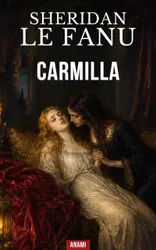
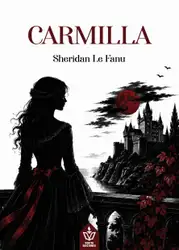
Carmilla is a haunting gothic tale and one of the earliest examples of vampire literature, predating Bram Stoker's Dracula (1897) by twenty-five years. The story of a lonely young woman living in a remote location, the tale explores eerie seduction, supernatural mystery, and forbidden desire.
Laura and her father live a quiet life in their secluded castle in the dense Austrian forest, where she has no other companions than her governess and the occasional visitor. Her solitary life is disrupted by the arrival of the enigmatic and alluring Carmilla, and as their bond deepens, Laura begins to suffer from strange dreams—she is both attracted and repulsed by Carmilla, but seems unable to find the energy to resist her.
When a spate of sudden wasting deaths afflict the peasants in the local countryside and Laura herself falls ill, her father decides they must leave the castle. Will they discover the truth about their mysterious house-guest before it's too late?
Carmilla is celebrated for its atmospheric tension, its bold portrayal of female intimacy and queer subtext, making it a cornerstone of both horror and LGBTQ+ literature.
Joseph Sheridan LeFanu (1814–1873) was an influential Irish author known for his contributions to gothic fiction and supernatural literature. His most notable works include Carmilla, Uncle Silas and The House by the Churchyard, which reflect his interests in the eerie and mysterious aspects of human nature.
LeFanu is celebrated for his use of subtle psychological horror, and his works, which often explore themes of madness and obsession, have earned him a place among the greats of gothic literature.