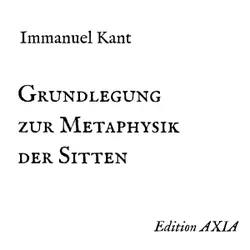
Immanuel Kant's *Ethics* presents the central architecture of his moral philosophy: the claim that morality rests not on consequences, inclination, or divine command, but on rational autonomy and the categorical imperative. Its discussions of duty, good will, freedom, virtue, and the universalizability of maxims develop a demanding account of human agency in which persons must always be treated as ends in themselves. Combining rigorous conceptual analysis with carefully constructed examples, the work belongs to the Enlightenment tradition of grounding ethics in reason while also anticipating modern deontological theory and debates over human dignity, obligation, and moral responsibility. Kant (1724–1804), the Königsberg philosopher whose critical project transformed modern thought, composed his ethical theory in response to both rationalist metaphysics and empiricist moral psychology. He sought to identify principles valid for every rational being, independent of fluctuating desires or cultural conventions. His emphasis on autonomy reflects the intellectual climate of the Enlightenment, while his concern with discipline, moral education, and the limits of human knowledge gives the text a distinctive seriousness and philosophical precision. This book is essential reading for anyone interested in moral philosophy, political theory, or the foundations of modern ideas about rights and responsibility. Though demanding, it rewards close study with a coherent vision of ethical life as self-legislation under universal law. Readers will find in Kant not merely a system of rules, but a profound challenge to examine what it means to act freely, rationally, and with respect for every person.
This enriched edition has been carefully crafted to add value to your reading experience.
- A succinct Introduction situates the work's timeless appeal and themes.
- The Synopsis outlines the central plot, highlighting key developments without spoiling critical twists.
- A detailed Historical Context immerses you in the era's events and influences that shaped the writing.
- An Author Biography reveals milestones in the author's life, illuminating the personal insights behind the text.
- A thorough Analysis dissects symbols, motifs, and character arcs to unearth underlying meanings.
- Reflection questions prompt you to engage personally with the work's messages, connecting them to modern life.
- Hand‐picked Memorable Quotes shine a spotlight on moments of literary brilliance.