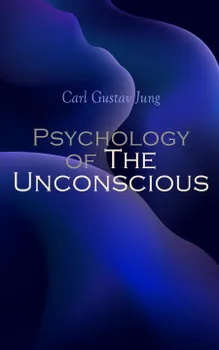




Psychology of the Unconscious is Jung's bold early exploration of fantasy, myth, dream, and symbolic imagination, centered on the psychic materials of a young woman whose visions become the occasion for a vast comparative inquiry. Written in a dense, erudite, and sometimes speculative style, the book moves between clinical observation, mythology, religion, philology, and literature. It occupies a crucial place in the history of depth psychology, marking Jung's movement beyond orthodox Freudian theory toward a broader account of libido as psychic energy and symbol as a vehicle of transformation. Carl Gustav Jung, Swiss psychiatrist and former close collaborator of Sigmund Freud, brought to this work his medical training, experience with psychosis at the Burghölzli clinic, and lifelong fascination with mythic and religious patterns. His growing dissatisfaction with reductive sexual explanations helped shape the book's argument and contributed to his eventual break with Freud. This volume is recommended for readers interested in psychoanalysis, comparative mythology, religious symbolism, and the origins of analytical psychology. Though demanding, it rewards patient reading with insight into Jung's emerging vision of the unconscious as creative, collective, and meaning-making.
This enriched edition has been carefully crafted to add value to your reading experience.
- A succinct Introduction situates the work's timeless appeal and themes.
- The Synopsis outlines the central plot, highlighting key developments without spoiling critical twists.
- A detailed Historical Context immerses you in the era's events and influences that shaped the writing.
- An Author Biography reveals milestones in the author's life, illuminating the personal insights behind the text.
- A thorough Analysis dissects symbols, motifs, and character arcs to unearth underlying meanings.
- Reflection questions prompt you to engage personally with the work's messages, connecting them to modern life.
- Hand‐picked Memorable Quotes shine a spotlight on moments of literary brilliance.
- Interactive footnotes clarify unusual references, historical allusions, and archaic phrases for an effortless, more informed read.