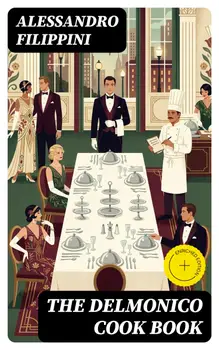
Alessandro Filippini's *The Delmonico Cook Book* presents the culinary practice of nineteenth-century New York's celebrated Delmonico's restaurant as a systematic body of recipes, menus, and professional instruction. More than a domestic manual, it records the aspirations of Gilded Age cuisine: French-inflected technique, careful attention to sauces and presentation, and an expansive repertoire encompassing soups, seafood, meats, vegetables, pastries, desserts, and beverages. Its lucid, authoritative prose and highly organized format place it within the tradition of the American cookbook while also revealing the period's growing interest in restaurant culture, culinary standardization, and cosmopolitan taste. The work is therefore valuable both as practical gastronomy and as a document of social history. Filippini, an Italian-born chef who became an important figure in Delmonico's professional kitchen, wrote from direct experience of one of America's most influential culinary institutions. His career brought European training and technique into conversation with American ingredients, dining habits, and entrepreneurial modernity. The book reflects his role as mediator between elite restaurant cuisine and the increasingly ambitious home cook, translating the authority of a famous kitchen into reproducible directions. Behind its recipes lies a broader effort to define refinement, efficiency, and culinary expertise for a changing urban readership. Recommended for readers interested in food history, hospitality, immigration, and nineteenth-century American culture, *The Delmonico Cook Book* offers an unusually rich encounter with the making of modern American taste. It will reward cooks, historians, and general readers alike, whether approached as a practical guide, a literary artifact of domestic instruction, or an illuminating portrait of New York's gastronomic imagination.
This enriched edition has been carefully crafted to add value to your reading experience.
- Hand‐picked Memorable Quotes shine a spotlight on moments of literary brilliance.
- Interactive footnotes clarify unusual references, historical allusions, and archaic phrases for an effortless, more informed read.