The Height of the Cold War: The History of the Events that Brought the Soviet Union and United States to the Brink

In the wake of World War II, the European continent was devastated, and the conflict left the Soviet Union and the United States as uncontested superpowers. This ushered in over 45 years of the Cold War, and a political alignment of Western democracies against the Communist Soviet bloc that produced conflicts pitting allies on each sides fighting, even as the American and Soviet militaries never engaged each other. Though it never got “hot” between the two superpowers, the Cold War was a tense era until the dissolution of the USSR, and nothing symbolized the split more than the division of Berlin. Berlin had been a flashpoint even before World War II ended, and the city was occupied by the different Allies even as the close of the war turned them into adversaries.

If anyone wondered whether the Cold War would dominate geopolitics, any hopes that it wouldn’t were dashed by the Soviets’ blockade of West Berlin in April 1948, ostensibly to protest the currency being used in West Berlin but unquestionably aiming to extend their control over Germany’s capital. By cutting off all access via roads, rail, and water, the Soviets hoped to force the Allies out, and at the same time, Stalin’s action would force a tense showdown that would test their mettle. The Berlin Airlift would technically continue until September, but for all intents and purposes, the first crisis of the Cold War had come to an end, and most importantly, the confrontation remained “cold.”

That said, Stalin’s regime had been working on a nuclear weapons program since 1942, relying greatly upon successful Soviet espionage to help lead the way. With intelligence sources connected to the Manhattan Project, Stalin was able to keep abreast of the Allies’ progress toward creating an atomic bomb, so that by 1945, the Soviets already had a working blueprint of America’s first atomic bombs. On August 29, 1949, the Soviets successfully tested an atomic bomb.

Kom i gang med denne bog i dag for 0 kr.

  • Få fuld adgang til alle bøger i appen i prøveperioden
  • Ingen forpligtelser, opsiges når som helst
Prøv gratis nu
Mere end 52.000 mennesker har givet Nextory fem stjerner i App Store og Google Play.

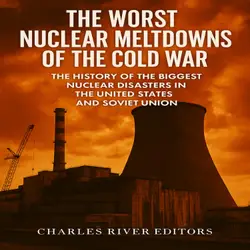
  1. The Worst Nuclear Meltdowns of the Cold War: The History of the Biggest Nuclear Disasters in the United States and Soviet Union

    Charles River Editors

  2. The Most Influential Rock Stars of the 1960s

    Charles River Editors

  3. Vampires and Werewolves: The Legends and Folk Tales about History’s Most Notorious Mythical Beings

    Charles River Editors

  4. 3.0

    Mysterious Polynesia: The Myths, Legends, and Mysteries of the Polynesians

    Charles River Editors

  5. The Loch Ness Monster: The History and Legacy of the World’s Most Famous Cryptid

    Charles River Editors

  6. Narcissa Whitman: The Life and Legacy of the Missionary Killed by Native Americans in the Pacific Northwest

    Charles River Editors

  7. Native Americans in the Civil War: The History and Legacy of Various Indian Tribes' Participation in the War Between the States

    Charles River Editors

  8. Little Turtle’s War: The History and Legacy of the 18th Century Conflict Between the United States and Native Americans in the Northwest Territory

    Charles River Editors

  9. The Native Americans of the Great Plains: The History of the Region’s Biggest Indigenous Tribes

    Charles River Editors

  10. The Modern Discovery of Australia and New Zealand: The History of the Indigenous Natives and the Initial European Expeditions and Settlements

    Charles River Editors

  11. The Dramatic Rise and Fall of the Portuguese Empire: The History and Legacy of Portugal’s Mercantile Empire across the World

    Charles River Editors

  12. Ny
    3.6

    Jack the Ripper and the Zodiac Killer: The History of the Most Famous Serial Killers Who Were Never Caught

    Charles River Editors