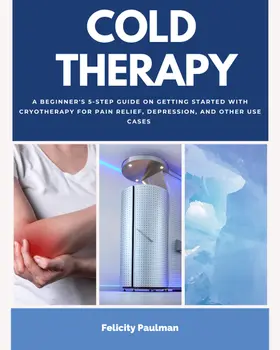
Cold Therapy : A Beginner's 5-Step Guide on Getting Started with Cryotherapy for Pain Relief, Depression, and Other Use Cases

There are a wide variety of approaches to choose from when it comes to the management of pain. Some people get comfort from drugs, while others favor more natural approaches such as chiropractic care or acupuncture. Acupuncture and chiropractic care are two examples.

Cold therapy is a potentially useful choice for patients who choose a treatment that requires more active participation from them. This treatment, which is often referred to as cryotherapy, involves subjecting the body to exceedingly low temperatures. This can be accomplished with the use of ice packs, immersion in cold water, or even nitrogen gas.

It is believed that cold treatment works by numbing the nerve endings and lowering inflammation, however the specific mechanism that causes these effects is not entirely known. In addition to this, there is evidence from certain studies that shows it may also aid to strengthen the immune system.

Although further research is required to verify these advantages, cold therapy is a risk-free and non-invasive treatment option that has the potential to assist patients who suffer from chronic pain with some respite.

In this introduction to cold treatment, often known as cryotherapy, we are going to look at the following specific areas:

● What is cold therapy?

● History of cold therapy

● Cold therapy techniques

● How does cold therapy work?

● Benefits of cold therapy

● Use cases of cold therapy

● A potential 5-step guide on how to get started with cold therapy

● Heat therapy vs. cold therapy

● Risks or potential side effects of cold therapy

● Who should not use cold therapy

If you want to know more about cold therapy and how to get started, read on!

Om denne bog

There are a wide variety of approaches to choose from when it comes to the management of pain. Some people get comfort from drugs, while others favor more natural approaches such as chiropractic care or acupuncture. Acupuncture and chiropractic care are two examples.

Cold therapy is a potentially useful choice for patients who choose a treatment that requires more active participation from them. This treatment, which is often referred to as cryotherapy, involves subjecting the body to exceedingly low temperatures. This can be accomplished with the use of ice packs, immersion in cold water, or even nitrogen gas.

It is believed that cold treatment works by numbing the nerve endings and lowering inflammation, however the specific mechanism that causes these effects is not entirely known. In addition to this, there is evidence from certain studies that shows it may also aid to strengthen the immune system.

Although further research is required to verify these advantages, cold therapy is a risk-free and non-invasive treatment option that has the potential to assist patients who suffer from chronic pain with some respite.

In this introduction to cold treatment, often known as cryotherapy, we are going to look at the following specific areas:

● What is cold therapy?

● History of cold therapy

● Cold therapy techniques

● How does cold therapy work?

● Benefits of cold therapy

● Use cases of cold therapy

● A potential 5-step guide on how to get started with cold therapy

● Heat therapy vs. cold therapy

● Risks or potential side effects of cold therapy

● Who should not use cold therapy

If you want to know more about cold therapy and how to get started, read on!

Kom i gang med denne bog i dag for 0 kr.

  • Få fuld adgang til alle bøger i appen i prøveperioden
  • Ingen forpligtelser, opsiges når som helst
Prøv gratis nu
Mere end 52.000 mennesker har givet Nextory fem stjerner i App Store og Google Play.

  1. Daughters of Narcissistic Mothers : A 5-Step Plan for New Moms to Break the Cycle and Raise Emotionally Secure Kids

    Felicity Paulman

  2. Manifestation for Women Over 40 : A 5-Step Plan to Attract Peace, Purpose & Prosperity

    Felicity Paulman

  3. Vagus Nerve Healing for Women with Anxiety : A Beginner's 4-Week Plan to Manage Overthinking, Stress, and Regulate Nervous System Naturally

    Felicity Paulman

  4. Polyvagal Theory : A 21-Day Beginner’s Guide to Calming Your Nervous System, Reducing Stress, and Rewiring Your Body for Safety

    Felicity Paulman

  5. 3.0

    ROCD

    Felicity Paulman

  6. 1.0

    Metacognitive Therapy : A Beginner's 5-Step Quick Start Guide on its Use Cases for Anxiety, with an FAQ

    Felicity Paulman

  7. PEMF Therapy Guide : A Beginner's 5-Step Quick Start Guide on How to Get Started with PEMF Therapy for Managing Stress, Improving Sleep, and Other Health Benefits

    Felicity Paulman

  8. Ny

    The ADHD Mom's Time Code : A Guilt-Free System for Moms Who Lose Track of Time, Can't Stick to Schedules, and Are Done Feeling Like They're Failing

    Felicity Paulman

  9. Ny

    The Ikigai Workbook for Women : 30 Days of Japanese Wisdom to Discover Your Purpose, Restore Your Energy, and Build a Life That Feels Like Yours

    Felicity Paulman

  10. Rewire Your Anxious Brain After 40 for Women : The Hormone-Neuroscience Guide to Calming Perimenopause Anxiety, Breaking Worry Loops, and Rebuilding Emotional Stability Without Medication

    Felicity Paulman

  11. Lectin-Free Starter Plan : A 14-Day “What to Eat” System with Food Lists, Swap Charts, and a Simple Meal Plan + Recipes

    Felicity Paulman

  12. Motivation for Women in Tech Burnout Guide : A 6-Week System to Restore Drive, Set Boundaries and Lead Confidently in High-Demand Roles

    Felicity Paulman